
Commercial Cleaning Services in Arlington
Professional cleaning solutions for businesses throughout Arlington, TX and surrounding areas including Downtown Arlington, Entertainment District, Arlington Highlands, and more.
Commercial Cleaning Services in Arlington, Texas
Arlington occupies a unique and strategic position within the Dallas-Fort Worth metroplex, serving as a vital bridge between Texas's fourth and fifth largest cities. Located approximately 20 miles west of downtown Dallas and 12 miles east of downtown Fort Worth, Arlington has evolved from its agricultural origins into a dynamic urban center of nearly 400,000 residents. This positioning makes Arlington a crucial commercial hub with distinct cleaning requirements shaped by its entertainment economy, educational institutions, and diverse business landscape.
Strategic Location and Economic Significance
As the second-largest city in Tarrant County and the third-largest in the Dallas-Fort Worth metroplex, Arlington maintains a unique identity within the region. Unlike most large Texas cities, Arlington does not serve as a county seat, allowing it to focus entirely on economic development and quality of life initiatives. The city spans approximately 99.7 square miles, providing ample space for commercial development, industrial parks, and the entertainment venues that define its economy.
Arlington's central location within the metroplex places it at the heart of one of America's fastest-growing regions. The city benefits from its position along major transportation corridors, including Interstate 20, Interstate 30, and State Highway 360, which facilitate commerce and attract businesses seeking accessibility to both Dallas and Fort Worth markets.
The Entertainment Capital of North Texas
Arlington's identity is inextricably linked to its status as an entertainment destination. The city hosts two major professional sports franchises: the Dallas Cowboys at AT&T Stadium and the Texas Rangers at Globe Life Field. These venues generate enormous foot traffic and create significant demand for commercial cleaning services in surrounding hospitality, retail, and service businesses.
**AT&T Stadium**, often called "Jerry World," represents one of the world's most technologically advanced sports venues. Beyond Cowboys games, the stadium hosts major concerts, championship boxing matches, college football games, and other large-scale events. These events create surge demand for cleaning services at nearby hotels, restaurants, and retail establishments.
**Globe Life Field**, the Rangers' retractable-roof ballpark, opened in 2020 and anchors the larger Texas Live! entertainment complex. This development includes hotels, restaurants, bars, and event spaces that require comprehensive commercial cleaning services capable of handling high-volume turnover.
**Six Flags Over Texas**, located in Arlington since 1961, attracts millions of visitors annually to its theme park and Hurricane Harbor water park. The surrounding area includes numerous hotels, restaurants, and service businesses that support this tourism economy and require regular professional cleaning.
**River Legacy Parks** and **Lake Arlington** provide recreational amenities that complement the city's entertainment offerings, creating year-round visitor traffic that supports local commerce.
Higher Education and Research Facilities
The University of Texas at Arlington (UTA) stands as one of the nation's largest universities, with enrollment exceeding 40,000 students. This major research institution generates significant demand for commercial cleaning services across:
- Academic buildings and classrooms requiring daily maintenance
- Research laboratories with specialized cleaning protocols
- Student housing facilities needing regular turnover cleaning
- Athletic facilities including College Park Center
- Administrative buildings and conference facilities
- Medical and allied health training facilities
UTA's status as a Carnegie R-1 research institution attracts federal research funding and creates specialized cleaning requirements for laboratory environments, clean rooms, and research facilities.
Major Business Districts and Commercial Corridors
Arlington's commercial landscape encompasses several distinct zones, each with unique cleaning requirements:
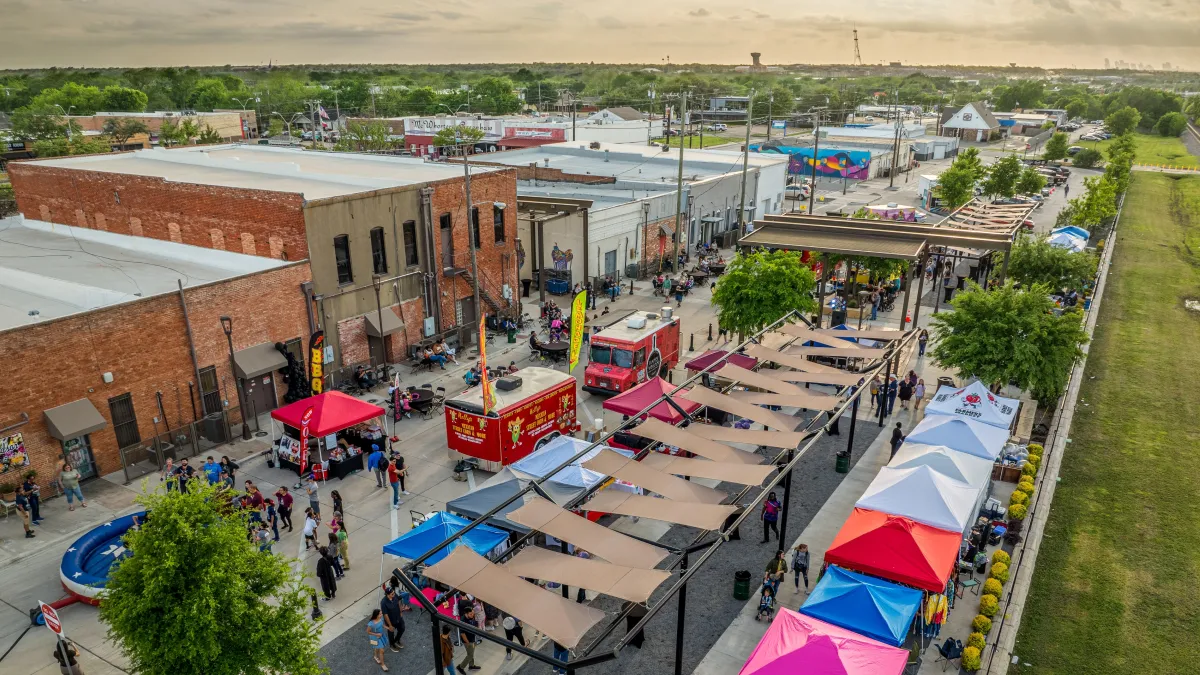
**Downtown Arlington** has undergone significant revitalization, transforming from a traditional central business district into a mixed-use urban center. The area features the Arlington Museum of Art, Urban Union development, and numerous restaurants and small businesses requiring regular commercial cleaning services.
**The Entertainment District** concentrates the city's major venues including AT&T Stadium, Globe Life Field, Texas Live!, and Six Flags. This area experiences dramatic fluctuations in cleaning demand based on event schedules, requiring flexible service capabilities.
**Arlington Highlands** represents a major power center development featuring big-box retail, restaurants, and entertainment options. These high-traffic retail environments require consistent daily cleaning and periodic deep cleaning services.
**Lincoln Square** and **Parks at Arlington Mall** serve as major retail destinations with complex cleaning requirements for common areas, food courts, and individual tenant spaces.
**The General Motors Assembly Plant** anchors Arlington's manufacturing sector, creating demand for industrial cleaning services including warehouse maintenance, office cleaning, and specialized manufacturing facility sanitation.
**Cooper Street Corridor** functions as a major commercial spine connecting UTA to Interstate 20, lined with retail centers, restaurants, and service businesses.
Industrial and Manufacturing Zones
Beyond entertainment and retail, Arlington maintains significant industrial capacity:
**The Great Southwest Industrial District** hosts manufacturing, distribution, and logistics facilities requiring specialized industrial cleaning services, including warehouse floor maintenance, equipment cleaning, and facility sanitation.
**Arlington Municipal Airport** supports general aviation and creates demand for cleaning services at related businesses and facilities.
**Numerous business parks** along major corridors house corporate offices, medical facilities, and professional services requiring regular commercial cleaning.
Climate and Environmental Factors
Arlington shares the Dallas-Fort Worth metroplex's humid subtropical climate, characterized by hot summers and mild winters. This climate creates specific cleaning considerations:
**Summer Heat**: Average high temperatures exceed 95°F from June through August, increasing dust accumulation and placing strain on HVAC systems. Commercial buildings require frequent filter changes and enhanced indoor air quality management.
**Severe Weather**: Located within Tornado Alley, Arlington experiences severe thunderstorms, hail events, and occasional tornadoes. These weather events create demand for emergency cleanup services, water damage restoration, and debris removal.
**Seasonal Allergens**: The region's vegetation produces high pollen counts during spring and fall, necessitating thorough HVAC cleaning and enhanced dusting protocols for commercial interiors.
**Flooding Concerns**: Portions of Arlington lie within flood-prone areas near creek systems, requiring specialized water damage cleaning protocols for affected commercial properties.
Demographics and Market Considerations
Arlington's diverse population of nearly 400,000 residents creates varied commercial needs:
- **Multilingual Services**: Arlington's significant Hispanic population (approximately 30%) and growing international communities create demand for culturally responsive service delivery.
- **Family-Oriented Businesses**: The city's high percentage of families supports numerous retail, entertainment, and service businesses requiring regular cleaning.
- **Student Population**: UTA's large student body creates demand for housing cleaning, retail maintenance, and food service sanitation.
- **Tourism Traffic**: Millions of annual visitors to Arlington's attractions support a robust hospitality sector requiring hotel cleaning, restaurant sanitation, and event venue maintenance.
Transportation Infrastructure
Arlington's transportation network significantly impacts commercial cleaning operations:
**Major Highways**: Interstate 30, Interstate 20, and State Highway 360 facilitate efficient service delivery across the city's nearly 100 square miles. The planned TEXRail extension and potential high-speed rail connections will further enhance accessibility.
**Limited Public Transit**: Unlike Dallas, Arlington does not operate a traditional fixed-route bus system, relying instead on Via rideshare service and specialized shuttles. This car-dependent environment concentrates commercial activity along major corridors and near major destinations.
**Airport Access**: Dallas Fort Worth International Airport is readily accessible, supporting the city's hospitality and logistics sectors.
Commercial Cleaning Priorities in Arlington
Given Arlington's unique characteristics, commercial cleaning services must address:
**Event-Driven Demand**: The city's entertainment economy creates fluctuating cleaning needs that require flexible staffing and rapid response capabilities.
**Hospitality Focus**: With millions of annual visitors, hotels, restaurants, and entertainment venues require meticulous attention to cleanliness standards.
**Educational Facilities**: UTA's extensive campus requires specialized cleaning for diverse building types, from historic structures to modern research facilities.
**Industrial Capabilities**: Manufacturing and distribution facilities require heavy-duty cleaning equipment and specialized protocols for warehouse environments.
**Retail Maintenance**: High-traffic shopping centers demand consistent daily cleaning and periodic deep cleaning to maintain appearance and sanitation.
**Healthcare Standards**: Medical facilities throughout Arlington require compliance with healthcare cleaning regulations and infection control protocols.
Our commercial cleaning services are specifically designed to meet Arlington's diverse needs, from the daily maintenance of downtown office buildings to the intensive cleaning required after major events at AT&T Stadium. We understand the unique rhythms of Arlington's entertainment economy and provide flexible, reliable service that keeps businesses looking their best while accommodating the city's dynamic event schedule.
Neighborhoods We Serve in Arlington
Cleaning Services Available in Arlington
Why Arlington Businesses Choose Us
Area-Focused Service
We understand the specific needs of businesses in this area
Trained Teams
Cleaning staff trained for commercial environments
Flexible Scheduling
After-hours and weekend services available
Quality Checks
Clear checklists and walkthrough-ready results
Nearby Service Areas
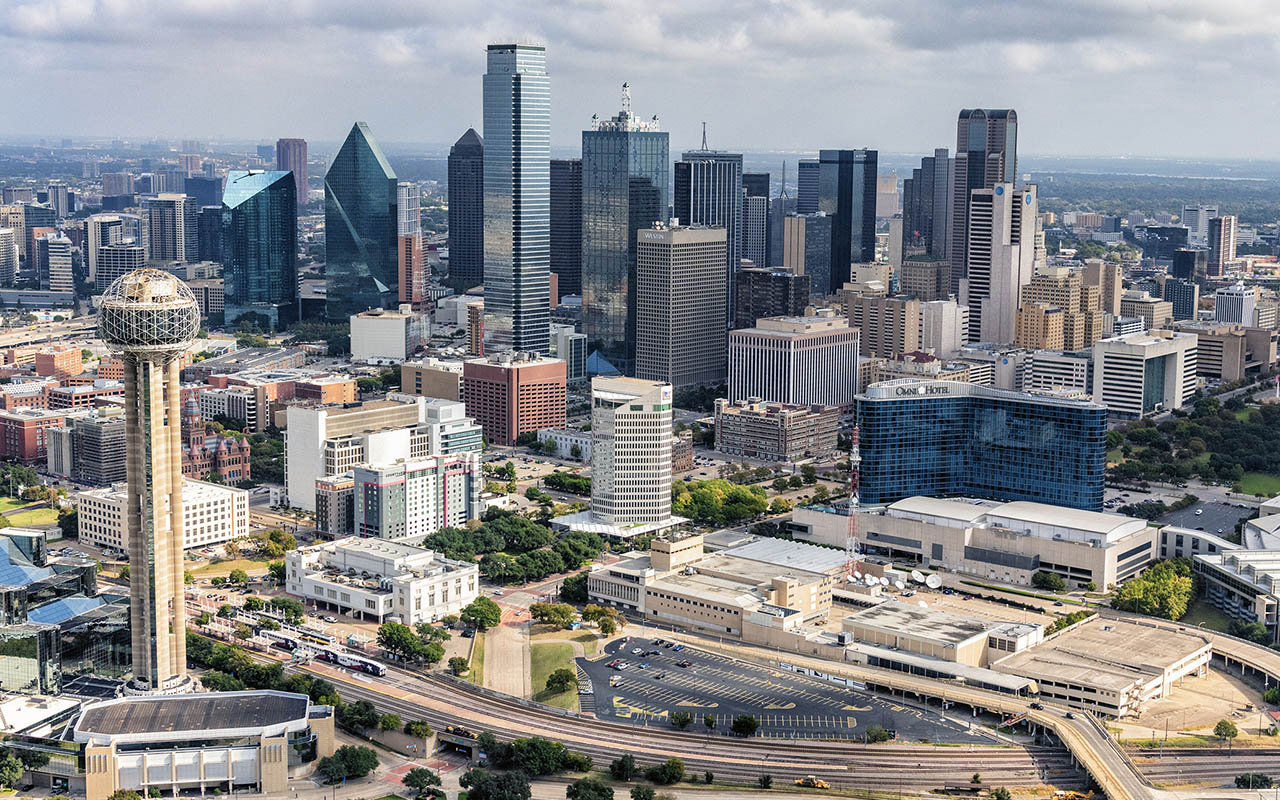
Dallas, TX
Commercial cleaning services for Dallas businesses across all major business districts.
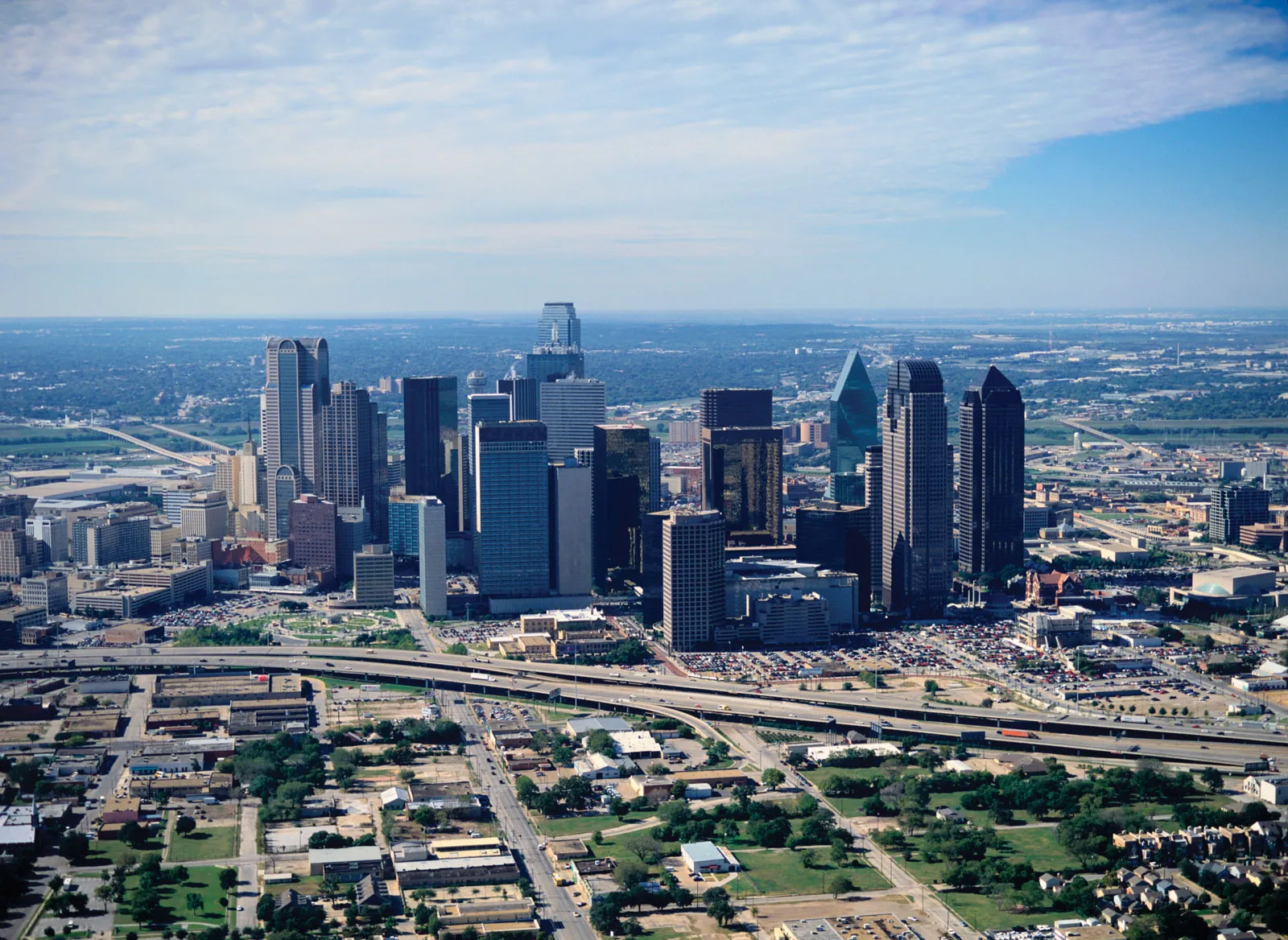
Garland, TX
Industrial and commercial cleaning services for Garland businesses and facilities.
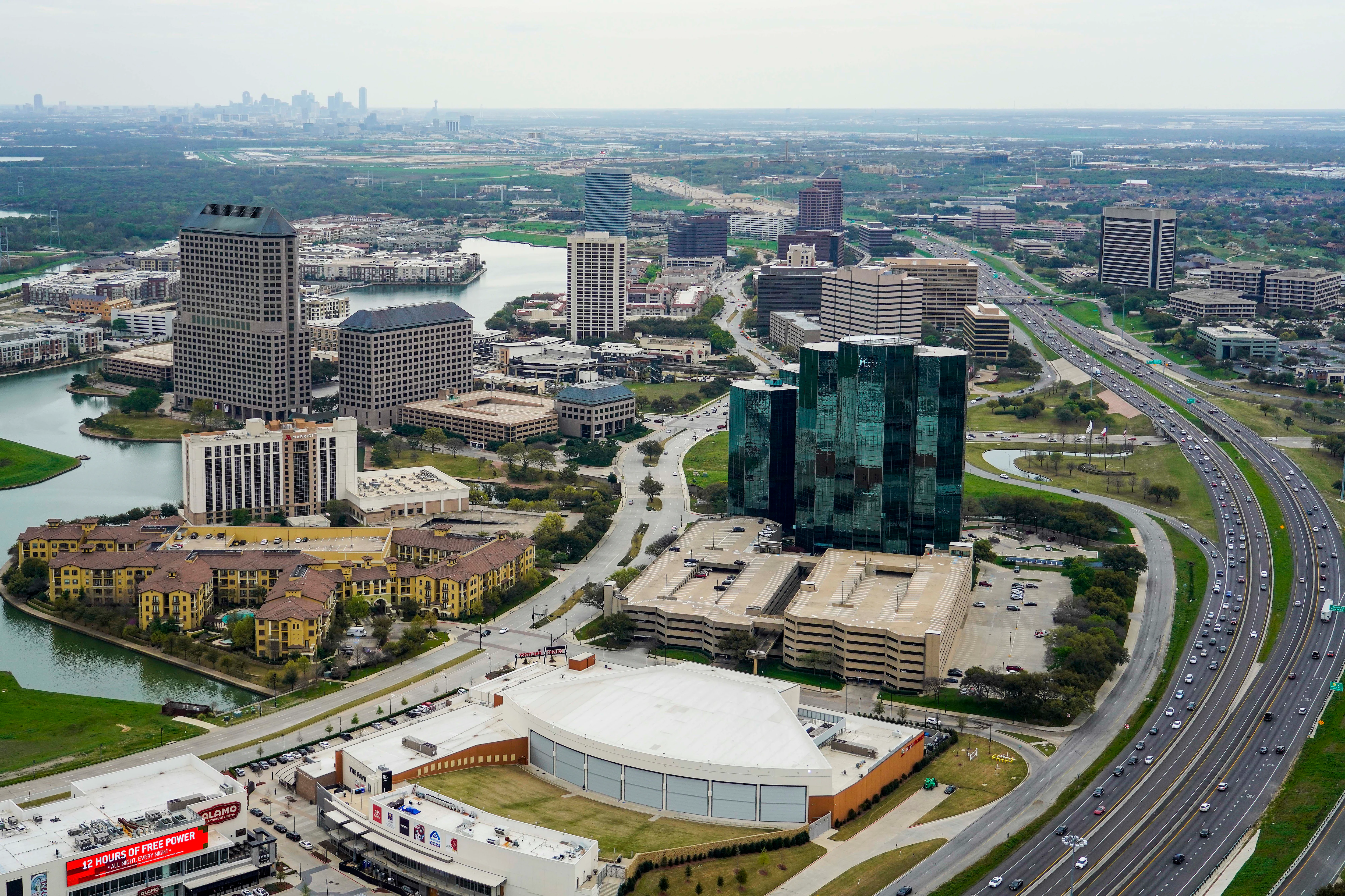
Irving, TX
Premium cleaning services for Irving corporate campuses and commercial properties.
Mesquite, TX
Commercial cleaning services for Mesquite retail, medical, and industrial properties.
Get Your Free Quote Today
Contact us now for a customized cleaning plan tailored to your Arlington business needs.
Request Free Quotelocations planning guide
How to plan arlington tx for a commercial facility in Dallas
Dallas Commercial Cleaning Services uses the following planning framework to help property managers and business owners turn a request for commercial cleaning and office maintenance into a scope that can be walked, priced, scheduled, and checked. It is designed for practical comparison and does not replace site-specific safety, material, vendor, or regulatory requirements.
Define the Work Before Pricing It
Square footage alone does not define the effort required for arlington tx. Occupancy, floor materials, restroom count, food or production activity, security procedures, furniture density, and the time available between closing and reopening all affect labor and equipment planning. For multi-tenant or mixed-use properties, arlington tx should be divided by responsibility zone. Common areas, tenant suites, back-of-house spaces, loading areas, public restrooms, and restricted rooms can then receive schedules and approval rules that match their actual use. A walkthrough for arlington tx is most productive when the decision-maker identifies the spaces that create complaints, the areas that carry the most traffic, and the tasks the current program misses. Those observations turn a generic checklist into a practical scope tied to the way the property is actually used. Change orders are easier to avoid when the initial arlington tx proposal records current conditions. Photographs, floor-type notes, access limitations, and known buildup give both sides a shared baseline for deciding what belongs in startup work and what belongs in recurring maintenance.
Build the Schedule Around Operations
A nightly, daily, weekly, or project schedule changes more than visit frequency. It changes how much soil accumulates between visits, which tools are appropriate, how long each visit takes, and whether periodic deep work must be layered into the agreement. Daytime and after-hours service solve different operational problems. Day porter coverage manages visible conditions while people are present; after-hours crews complete disruptive or time-intensive tasks when work areas can be accessed safely and thoroughly. Access planning is part of service planning. Keys, badges, alarm procedures, loading access, elevator reservations, escort rules, and locked-room approvals should be confirmed before the first arlington tx visit so the crew can complete the full scope without improvising. Facilities with irregular occupancy should use a flexible service calendar. Seasonal traffic, events, construction phases, tenant move-ins, inventory cycles, and weather can all create temporary cleaning demand that a rigid schedule will miss.
Make Quality Control Observable
A single complaint channel prevents service issues from disappearing between building occupants, property management, and the cleaning crew. Requests should be logged with the location, task, urgency, and desired completion time so the response can be verified. Before-and-after documentation is especially valuable for one-time or restorative arlington tx. It establishes the starting condition, records the completed result, and helps the facility manager decide whether a recurring maintenance cycle would prevent the same buildup. A quality program should explain how corrections are handled. The facility contact needs a clear response path, a reasonable correction window, and confirmation when the issue is closed rather than a vague assurance that someone will look into it. Inspection frequency should reflect the complexity of the account. A small weekly office may need periodic supervisory review, while a high-traffic or regulated environment may require documented checks several times each week.
Match Methods to Materials and Risk
Consumable supplies deserve their own responsibility list. Soap, paper products, liners, dispensers, batteries, air fresheners, and specialty items may be client supplied, contractor supplied, or billed separately, but the agreement should not leave that question open. Dwell time and physical removal are central to effective cleaning. A product cannot perform as intended if it is wiped away immediately, and loosened soil still needs to be removed with clean tools rather than redistributed across the surface. Product selection should match the task and the occupied environment. Cleaning, degreasing, disinfecting, descaling, and finishing are different functions; using one product for every surface can leave residue, reduce effectiveness, or shorten asset life. A material-safety discussion should include storage and labeling. Facility contacts should know where products and equipment will be kept, which rooms remain accessible to occupants, and how spills or damaged containers are reported.
Use the Walkthrough to Build the Scope
A useful walkthrough ends with next steps: who will receive the written scope, who can approve revisions, whether a second technical visit is required, and what information is still needed before pricing is final. The walkthrough should follow the facility’s traffic pattern from entrances through work areas, restrooms, support rooms, and exits. This reveals where soil enters, where it concentrates, and which tasks must be completed in a particular order. Access and safety constraints should be demonstrated, not merely mentioned. Alarm panels, loading doors, restricted areas, waste points, water access, electrical access, and equipment storage can change the labor plan materially. Ask department leads or regular occupants where cleaning failures are most visible. Facility managers often know the formal complaints, while daily users can identify recurring issues such as neglected corners, supply shortages, or timing conflicts.
Put the Service Agreement in Writing
The agreement should state how holidays, weather closures, and client-requested skips are handled. These events affect visit counts and staffing, and the billing treatment should be clear before the first calendar exception. Pricing should state whether it is monthly, per visit, hourly, or project based and should identify the assumptions behind it. Changes in occupied square footage, frequency, access time, or task scope need an agreed method for repricing. Service-level expectations should be realistic and observable. A promise of “perfect cleaning” is less useful than response times, inspection routines, named completion outcomes, and an escalation process for repeated deficiencies. Cancellation, renewal, and notice terms deserve the same attention as the cleaning checklist. A facility manager comparing proposals should understand the initial term, renewal method, price-review process, and the notice required to change or end service.
Plan for Dallas Facility Conditions
Commercial properties in the region frequently combine offices, warehouses, showrooms, food service, or public-facing areas under one address. Zoning the scope by use keeps the cleaning method appropriate for each part of the building. Dallas facilities contend with long cooling seasons, tracked-in dust, pollen, severe-weather debris, and rapid development activity. Those conditions can influence entry cleaning, high dusting, floor care, glass maintenance, and the timing of periodic deep work. A local service plan should account for the property’s immediate environment. Construction nearby, open parking, landscaping, loading activity, and pedestrian traffic can change how quickly dust and debris return after a visit. Fast regional growth creates frequent move-ins, renovations, tenant turnovers, and occupancy changes. The cleaning scope should be reviewed when a property changes use instead of assuming the previous tenant’s schedule remains appropriate.
Compare Providers on More Than Price
References are most useful when the compared account resembles the property in size, use, and schedule. A successful small office account does not by itself demonstrate the systems needed for a large, high-traffic, or specialized facility. A pilot or structured startup can be useful when the facility is complex or the current condition is uncertain. Define what will be evaluated, how long the evaluation lasts, and what information determines the permanent scope. Review the proposal for vague language. Terms such as “as needed,” “regularly,” and “periodically” should be converted into frequencies, triggers, or approval rules before the agreement is signed. Consider the cost of under-scoping. Persistent complaints, damaged finishes, emergency restoration, staff time spent supervising the vendor, and repeated provider changes can cost more than a properly designed recurring program.
Start, Measure, and Adjust the Program
The crew should record conditions outside the approved scope rather than quietly ignoring them or performing unapproved work. Photos and concise notes allow the facility manager to decide whether a separate service is warranted. The first visit should not be treated as an ordinary maintenance visit when buildup already exists. Startup cleaning establishes a maintainable baseline and gives the crew a realistic view of the time required for future service. After the first service cycle, compare actual labor and facility condition with the proposal assumptions. If the original scope was inaccurate, adjust it openly rather than expecting quality to survive an unrealistic workload. Closeout reporting should match the account’s complexity. A small property may need simple completion confirmation; a larger or specialized account may need inspection notes, issue photographs, supply alerts, and a record of periodic tasks.
Bring to the walkthrough
- Approximate square footage, floor plan, and operating hours
- Current frequency, known complaints, and priority areas
- Flooring and surface notes, restricted rooms, and access rules
- Desired start date, budget constraints, and approval contacts
Expect in a written proposal
- Task scope by zone and visit frequency
- Service windows, periodic work, and supply responsibility
- Quality checks, communication, and correction procedures
- Pricing assumptions, exclusions, and change-order rules