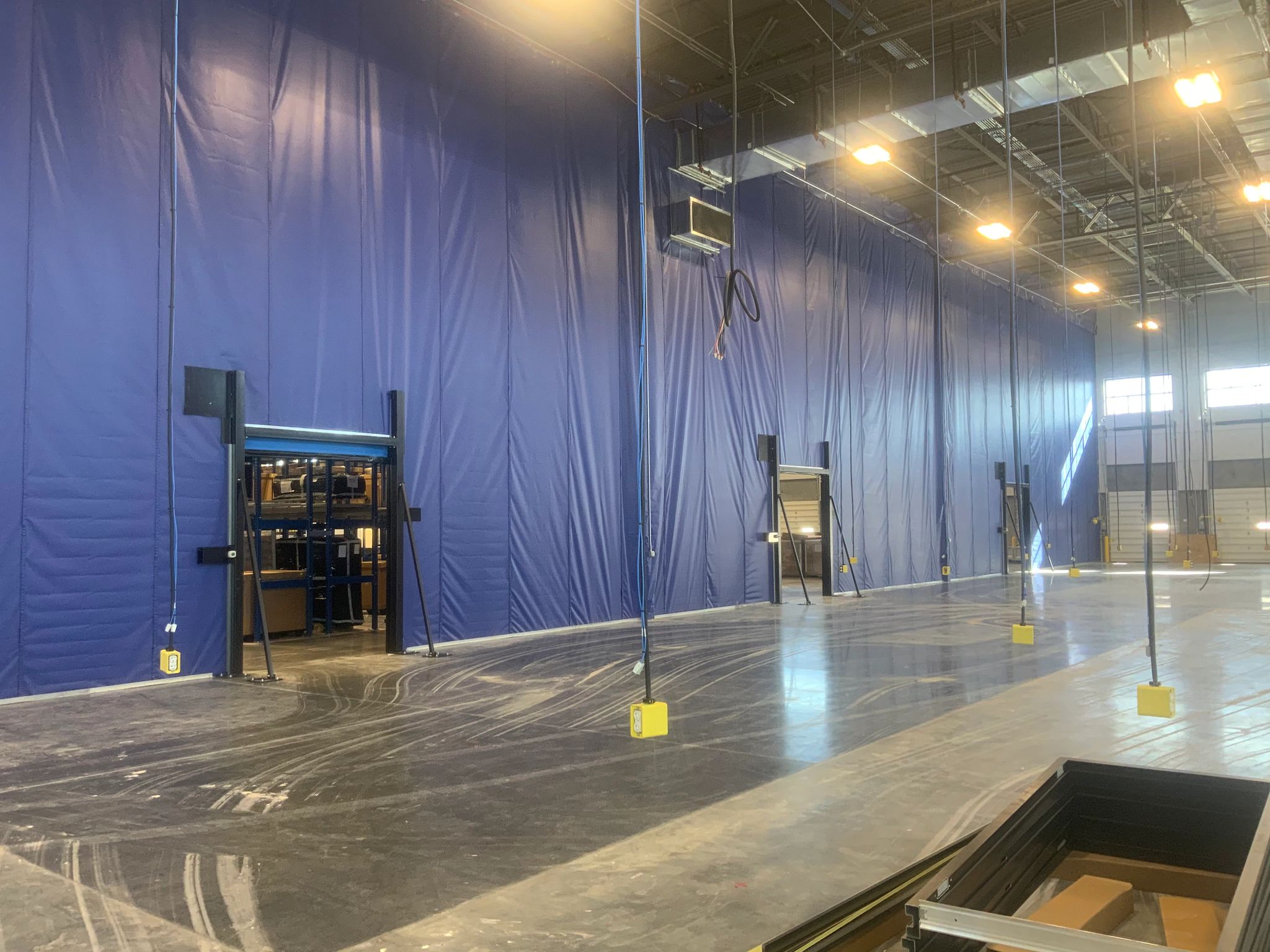
Warehouse Dust Abatement in Dallas
Comprehensive dust control and removal services for warehouses, distribution centers, and industrial facilities. We tackle high-level dust, rafters, shelving, and inventory areas to improve air quality and protect your products and equipment.
Professional Dust Abatement Services in Dallas
Warehouse dust abatement is a specialized industrial cleaning service designed to control and remove dust accumulation in large-scale storage, distribution, and manufacturing facilities. Unlike routine janitorial services, professional dust abatement addresses the unique challenges of industrial environments where dust threatens equipment performance, product quality, employee health, and operational safety.
Professional warehouse dust control combines high-reach cleaning, HEPA filtration, and systematic protocols to remove accumulated dust from rafters, ductwork, equipment, inventory, and structural surfaces. For Dallas warehouses, distribution centers, and manufacturing facilities, effective dust abatement is essential for OSHA compliance, equipment maintenance, fire prevention, and maintaining quality standards.
Benefits of Our Dust Abatement Service
Improved Air Quality
Systematic dust removal reduces airborne particulates that cause respiratory issues, improving the health and comfort of warehouse workers while reducing workers' compensation claims.
Equipment Protection
Dust accumulation damages motors, HVAC systems, electronics, and machinery. Regular abatement extends equipment life, reduces maintenance costs, and prevents costly downtime.
Fire Hazard Reduction
Accumulated dust is highly combustible. Professional abatement removes this fire risk from rafters, ductwork, and overhead structures, improving facility safety and insurance compliance.
Product Quality Preservation
Dust-free environments protect stored inventory from contamination, essential for food products, electronics, pharmaceuticals, and sensitive materials.
OSHA Compliance
Professional abatement helps facilities meet OSHA standards for workplace air quality, housekeeping, and combustible dust management, avoiding citations and penalties.
Our Process
Facility Assessment & Dust Analysis
We evaluate dust accumulation levels, sources, facility layout, equipment locations, and operational schedules to develop a comprehensive abatement strategy.
Area Preparation & Protection
Sensitive equipment, inventory, and active work areas are protected. HVAC systems are isolated to prevent dust circulation during cleaning.
High-Reach Surface Cleaning
Rafters, beams, trusses, conduit, ductwork, and ceiling structures are cleaned using lifts, poles, and specialized high-reach equipment with HEPA vacuum attachment.
Wall & Vertical Surface Cleaning
Dust is removed from walls, columns, shelving uprights, doors, and vertical surfaces using HEPA vacuums and microfiber dusting tools.
Equipment & Fixture Cleaning
Lighting fixtures, HVAC components, sprinklers, security cameras, and production equipment are carefully cleaned without disrupting operations.
Floor & Ground-Level Cleaning
Industrial sweepers and HEPA vacuums remove accumulated dust from floors, corners, and baseboards that serve as dust reservoirs.
HVAC & Ventilation Cleaning
Air handling units, vents, and returns are cleaned to remove dust buildup that restricts airflow and recirculates particulates.
Final Inspection & Air Quality Testing
Quality verification ensures complete dust removal. Optional air quality testing confirms improved conditions.
What's Included
- High-level dusting of rafters and beams
- Overhead pipe and conduit cleaning
- Shelving and rack dusting
- Inventory protection during cleaning
- HVAC vent and return cleaning
- Floor-to-ceiling dust removal
Frequently Asked Questions About Dust Abatement
How often should warehouses undergo dust abatement?
Frequency depends on dust generation rates and facility type. High-activity warehouses typically need quarterly abatement. Clean storage environments may need semi-annual service. Manufacturing facilities with dust-generating processes often require monthly service. We assess and recommend appropriate schedules.
Can you work while the warehouse is operating?
Yes, we coordinate with your operations to work safely around active warehouse functions. High-reach work is scheduled during lower-activity periods or specific zones to minimize disruption while maintaining safety.
Will dust abatement create mess in our facility?
Professional abatement using HEPA filtration and contained cleaning methods actually removes dust rather than redistributing it. Our processes are designed to improve air quality during and after the service without creating additional contamination.
Is warehouse dust really a fire hazard?
Yes. Accumulated dust is highly combustible, and dust explosions have caused catastrophic facility damage and loss of life. OSHA has specific standards for combustible dust management. Regular abatement is a key component of dust hazard management programs.
Do you clean around racking and inventory?
Absolutely. We work carefully around stored inventory, racking systems, and active work areas. Top-of-rack cleaning is included in our service, accessing these often-neglected dust accumulation areas.
What types of dust do you handle?
We handle all types of industrial dust including cardboard and paper dust, textile fibers, food particles, plastic and packaging dust, manufacturing byproducts, and general industrial particulates. Specialized protocols exist for hazardous dusts.
Can dust abatement help with allergies and respiratory issues?
Yes. Removing accumulated dust significantly reduces airborne particulates that cause respiratory irritation and allergic reactions. Many facilities report improved employee comfort and reduced sick days following professional abatement.
Related Services in Dallas

Office Disinfection Services
Hospital-grade disinfection for offices targeting high-touch surfaces and common areas.
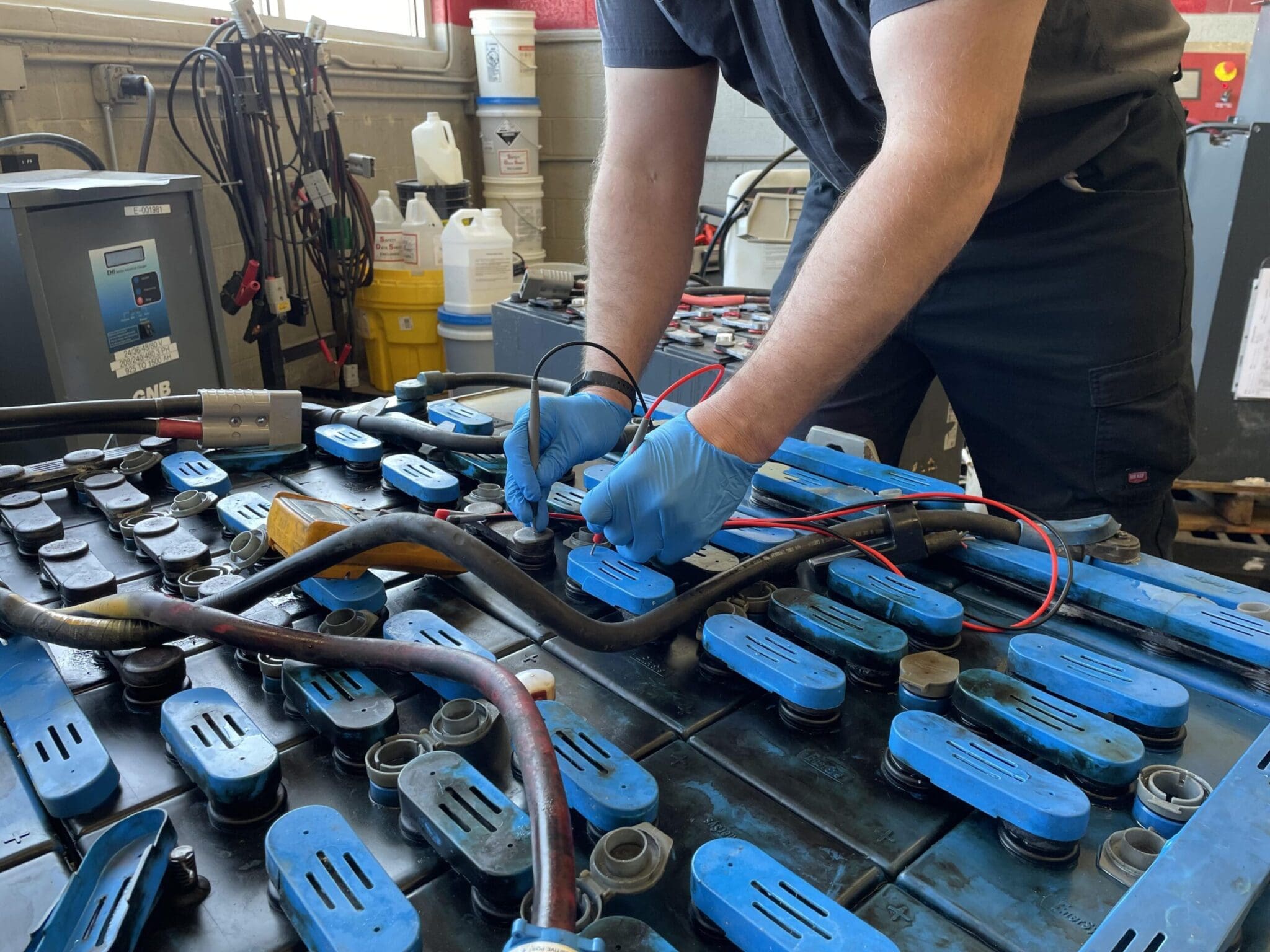
Warehouse Forklift Battery Cleaning
Specialized cleaning for forklift battery stations and warehouse charging areas.
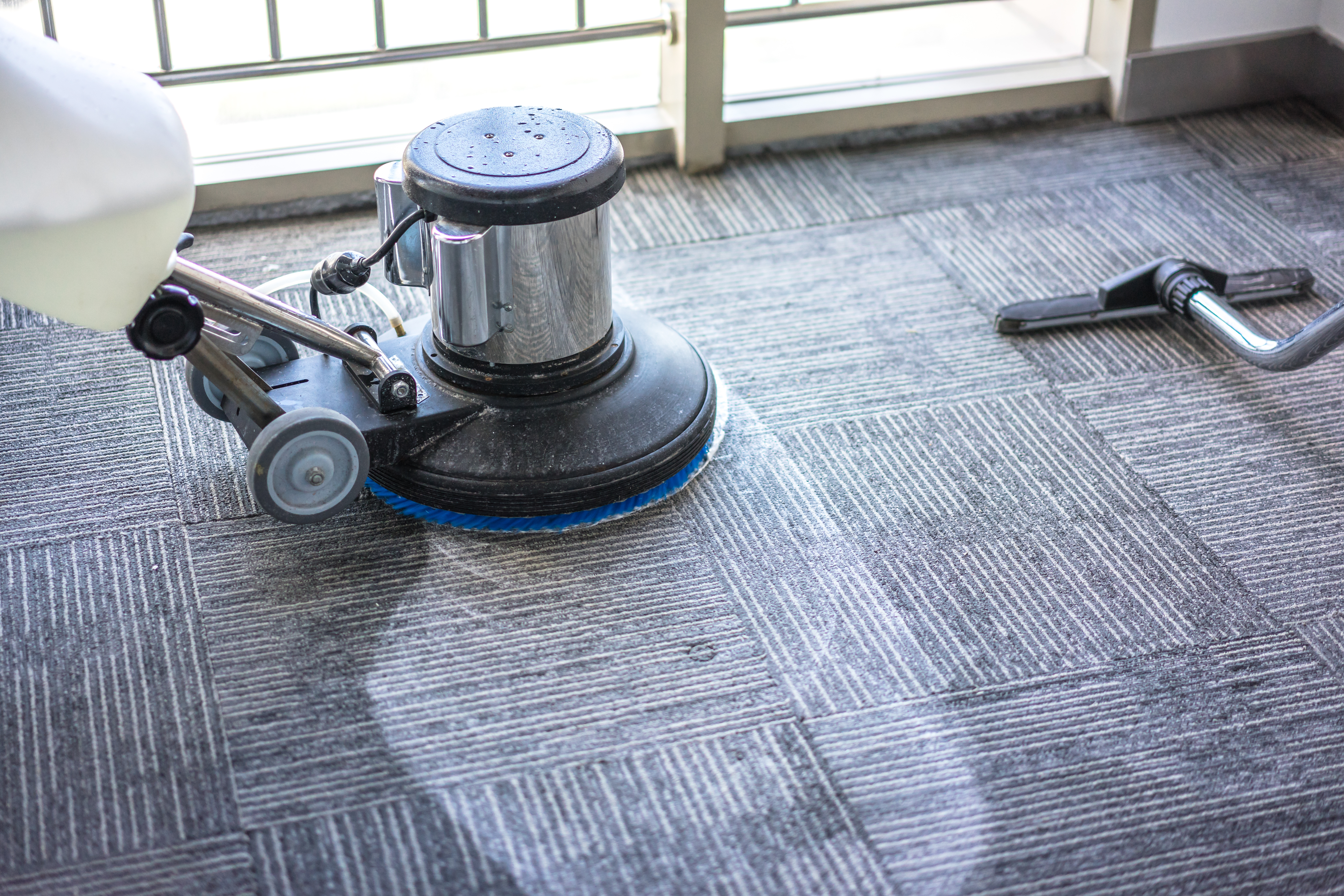
Commercial Carpet Cleaning
Deep cleaning for commercial carpets using hot water extraction and advanced stain removal techniques.
Get Your Free Dust Abatement Quote Today
Contact us now for a customized cleaning plan tailored to your dust abatement needs.
Request Free Quoteservices planning guide
How to plan warehouse dust abatement for a commercial facility in Dallas
Dallas Commercial Cleaning Services uses the following planning framework to help property managers and business owners turn a request for commercial cleaning and office maintenance into a scope that can be walked, priced, scheduled, and checked. It is designed for practical comparison and does not replace site-specific safety, material, vendor, or regulatory requirements.
Define the Work Before Pricing It
Square footage alone does not define the effort required for warehouse dust abatement. Occupancy, floor materials, restroom count, food or production activity, security procedures, furniture density, and the time available between closing and reopening all affect labor and equipment planning. A walkthrough for warehouse dust abatement is most productive when the decision-maker identifies the spaces that create complaints, the areas that carry the most traffic, and the tasks the current program misses. Those observations turn a generic checklist into a practical scope tied to the way the property is actually used. Warehouse Dust Abatement should begin with a written definition of the rooms, surfaces, fixtures, equipment boundaries, and access conditions included in the work. A useful scope separates routine tasks from periodic restoration so the facility manager can see what happens on every visit and what occurs only on a planned cycle. The strongest warehouse dust abatement plan names measurable outcomes rather than relying on broad phrases such as “keep it clean.” Examples include streak-free entry glass, stocked and odor-controlled restrooms, debris-free floor edges, sanitized touchpoints, and completion before a stated opening time.
Build the Schedule Around Operations
A nightly, daily, weekly, or project schedule changes more than visit frequency. It changes how much soil accumulates between visits, which tools are appropriate, how long each visit takes, and whether periodic deep work must be layered into the agreement. Access planning is part of service planning. Keys, badges, alarm procedures, loading access, elevator reservations, escort rules, and locked-room approvals should be confirmed before the first warehouse dust abatement visit so the crew can complete the full scope without improvising. A dependable plan includes a method for reporting schedule changes. The facility contact should know whom to notify, how much lead time is needed, and how missed or added visits affect the monthly program before an urgent request arises. For Dallas–Fort Worth properties, travel windows and building access can materially affect the usable service period. A realistic schedule accounts for security handoffs and operating deadlines rather than promising a start time that leaves too little time to finish.
Make Quality Control Observable
A single complaint channel prevents service issues from disappearing between building occupants, property management, and the cleaning crew. Requests should be logged with the location, task, urgency, and desired completion time so the response can be verified. Consistent crew assignments improve warehouse dust abatement because the team learns access routines, material sensitivities, recurring problem areas, and the expectations of the facility contact. Coverage plans are still necessary for absences so consistency does not depend on one individual. Useful performance conversations separate an isolated miss from a recurring process failure. One unemptied bin requires correction; repeated misses in the same wing may indicate unclear zoning, inadequate time, or a checklist that does not match the building. Before-and-after documentation is especially valuable for one-time or restorative warehouse dust abatement. It establishes the starting condition, records the completed result, and helps the facility manager decide whether a recurring maintenance cycle would prevent the same buildup.
Match Methods to Materials and Risk
Consumable supplies deserve their own responsibility list. Soap, paper products, liners, dispensers, batteries, air fresheners, and specialty items may be client supplied, contractor supplied, or billed separately, but the agreement should not leave that question open. A material-safety discussion should include storage and labeling. Facility contacts should know where products and equipment will be kept, which rooms remain accessible to occupants, and how spills or damaged containers are reported. Dwell time and physical removal are central to effective cleaning. A product cannot perform as intended if it is wiped away immediately, and loosened soil still needs to be removed with clean tools rather than redistributed across the surface. Product selection should match the task and the occupied environment. Cleaning, degreasing, disinfecting, descaling, and finishing are different functions; using one product for every surface can leave residue, reduce effectiveness, or shorten asset life.
Use the Walkthrough to Build the Scope
A useful walkthrough ends with next steps: who will receive the written scope, who can approve revisions, whether a second technical visit is required, and what information is still needed before pricing is final. For larger properties, divide the walkthrough into zones and record the floor type, use, occupancy, and desired frequency for each. This produces a proposal that can be adjusted by zone without rewriting the entire program. If the requested warehouse dust abatement includes restorative work, identify the difference between a first-service reset and ongoing maintenance. Startup work may require additional labor that should not be hidden inside the recurring visit price. Discuss current service honestly during the walkthrough. What works should be preserved, what fails should be corrected, and any unrealistic expectation should be resolved before it becomes a recurring dispute after startup.
Put the Service Agreement in Writing
The agreement should state how holidays, weather closures, and client-requested skips are handled. These events affect visit counts and staffing, and the billing treatment should be clear before the first calendar exception. Cancellation, renewal, and notice terms deserve the same attention as the cleaning checklist. A facility manager comparing proposals should understand the initial term, renewal method, price-review process, and the notice required to change or end service. Pricing should state whether it is monthly, per visit, hourly, or project based and should identify the assumptions behind it. Changes in occupied square footage, frequency, access time, or task scope need an agreed method for repricing. Insurance and vendor-document requirements should be confirmed during proposal review rather than after award. If the property requires a certificate, additional insured wording, vendor portal registration, or special access documentation, those steps can affect the startup date.
Plan for Dallas Facility Conditions
Commercial properties in the region frequently combine offices, warehouses, showrooms, food service, or public-facing areas under one address. Zoning the scope by use keeps the cleaning method appropriate for each part of the building. A local service plan should account for the property’s immediate environment. Construction nearby, open parking, landscaping, loading activity, and pedestrian traffic can change how quickly dust and debris return after a visit. Dallas facilities contend with long cooling seasons, tracked-in dust, pollen, severe-weather debris, and rapid development activity. Those conditions can influence entry cleaning, high dusting, floor care, glass maintenance, and the timing of periodic deep work. DFW traffic makes realistic arrival windows important, especially when a crew must meet security or elevator access at a fixed time. The plan should protect enough on-site time to complete the work rather than compressing the scope after a delayed handoff.
Compare Providers on More Than Price
References are most useful when the compared account resembles the property in size, use, and schedule. A successful small office account does not by itself demonstrate the systems needed for a large, high-traffic, or specialized facility. Ask each provider to explain staffing assumptions, visit length, supervision, equipment, and the process for covering absences. The answer reveals whether the proposal is an operating plan or simply a price attached to a task list. Consider the cost of under-scoping. Persistent complaints, damaged finishes, emergency restoration, staff time spent supervising the vendor, and repeated provider changes can cost more than a properly designed recurring program. When comparing warehouse dust abatement proposals, normalize the scope before comparing price. A lower monthly number may exclude periodic work, supplies, supervision, floor care, or enough labor to complete the stated checklist.
Start, Measure, and Adjust the Program
The crew should record conditions outside the approved scope rather than quietly ignoring them or performing unapproved work. Photos and concise notes allow the facility manager to decide whether a separate service is warranted. Closeout reporting should match the account’s complexity. A small property may need simple completion confirmation; a larger or specialized account may need inspection notes, issue photographs, supply alerts, and a record of periodic tasks. After the first service cycle, compare actual labor and facility condition with the proposal assumptions. If the original scope was inaccurate, adjust it openly rather than expecting quality to survive an unrealistic workload. Task sequencing affects results. High dusting should precede lower-surface cleaning, dry soil removal should precede wet work, and areas with restricted reopening times should be completed early enough to dry or ventilate.
Bring to the walkthrough
- Approximate square footage, floor plan, and operating hours
- Current frequency, known complaints, and priority areas
- Flooring and surface notes, restricted rooms, and access rules
- Desired start date, budget constraints, and approval contacts
Expect in a written proposal
- Task scope by zone and visit frequency
- Service windows, periodic work, and supply responsibility
- Quality checks, communication, and correction procedures
- Pricing assumptions, exclusions, and change-order rules