Commercial Carpet Cleaning in Dallas
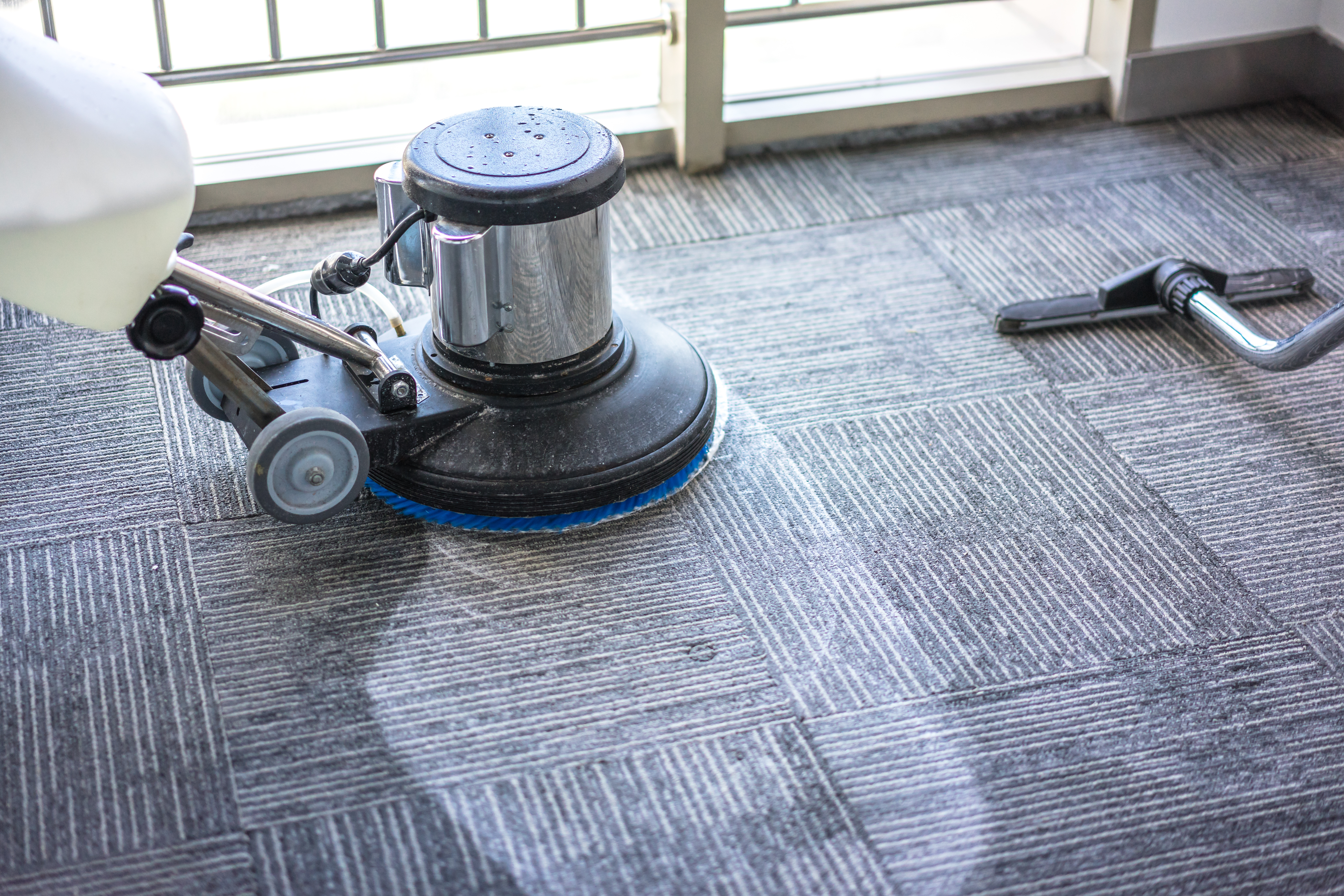
Professional deep carpet cleaning services for offices, retail spaces, and commercial properties. We use advanced hot water extraction and low-moisture methods to remove embedded dirt, allergens, and stains while extending carpet life.
Professional Carpet Cleaning Services in Dallas
Commercial carpet cleaning is a specialized service designed to maintain the appearance, hygiene, and longevity of carpeted surfaces in business environments. Unlike residential cleaning, commercial carpet cleaning addresses high-traffic areas, heavy soil loads, and the unique challenges of maintaining professional appearances in workplaces, retail spaces, healthcare facilities, and industrial settings.
In Dallas's competitive business landscape, maintaining clean carpets is essential for creating positive first impressions, ensuring employee health, and protecting your flooring investment. Professional commercial carpet cleaning goes beyond surface vacuuming to extract embedded dirt, bacteria, allergens, and stains that accumulate in commercial environments.
Benefits of Our Carpet Cleaning Service
Extended Carpet Lifespan
Regular professional cleaning removes abrasive soil particles that damage carpet fibers, potentially doubling the useful life of commercial carpeting and delaying costly replacement.
Improved Indoor Air Quality
Carpets act as filters, trapping dust, allergens, and pollutants. Professional extraction removes these contaminants, contributing to healthier indoor air for employees and visitors.
Enhanced Professional Image
Clean, well-maintained carpets create positive first impressions with clients, customers, and business partners, reflecting attention to detail and professionalism.
Stain & Odor Elimination
Professional treatment removes stubborn stains and neutralizes odors caused by spills, foot traffic, and everyday commercial use that standard cleaning cannot address.
Healthier Work Environment
Removal of dust mites, mold spores, bacteria, and allergens helps reduce employee sick days and creates a more comfortable workspace.
Our Methods
Hot Water Extraction (Steam Cleaning)
The most thorough commercial carpet cleaning method, hot water extraction injects heated cleaning solution deep into carpet fibers at high pressure, then immediately extracts soil, allergens, and moisture. This industry-recommended method is ideal for deep cleaning and restoration of heavily soiled commercial carpets.
Low-Moisture Encapsulation
A fast-drying method perfect for commercial settings where minimal downtime is essential. Encapsulation cleaning applies specialized polymers that crystallize around soil particles, which are then removed through routine vacuuming. Carpets typically dry within 1-2 hours.
Bonnet Cleaning
An interim maintenance method using a rotating pad to absorb surface soil. While not a deep-cleaning solution, bonnet cleaning effectively maintains appearance between extraction cleanings in high-traffic commercial areas.
Dry Compound Cleaning
Uses biodegradable cleaning compounds that absorb soil and are then vacuumed away. This water-free method allows immediate use of carpeted areas, making it ideal for 24/7 operations.
Our Process
Pre-Inspection & Assessment
Our technicians evaluate carpet type, soil level, stain identification, and high-traffic patterns to determine the optimal cleaning method and identify any potential concerns.
Commercial Pre-Vacuuming
High-powered commercial vacuums remove dry soil and debris before wet cleaning, preventing soil from turning to mud during the extraction process.
Pre-Treatment & Spot Removal
Targeted treatments break down oily soils, grease, and stubborn stains. Specialized solutions address coffee, ink, food spills, and traffic lane graying.
Agitation (When Needed)
Mechanical agitation works cleaning agents deep into carpet fibers to maximize soil suspension and removal effectiveness.
Hot Water Extraction
Truck-mounted or portable extraction equipment rinses carpet fibers with heated cleaning solution while simultaneously extracting soil, allergens, and excess moisture.
Grooming & Drying
Carpet grooming lifts fibers for faster drying and uniform appearance. High-velocity air movers accelerate drying time, typically 4-6 hours.
Post-Cleaning Inspection
Final walkthrough ensures all areas meet quality standards, with attention to spot removal and overall appearance.
What's Included
- Hot water extraction (steam cleaning)
- Low-moisture encapsulation cleaning
- Spot and stain treatment
- Deodorizing and sanitizing
- High-traffic lane cleaning
- Move light furniture as needed
Frequently Asked Questions About Carpet Cleaning
How often should commercial carpets be professionally cleaned?
Cleaning frequency depends on foot traffic and environment. High-traffic areas typically need cleaning every 3-6 months, moderate traffic every 6-12 months, and low-traffic areas annually. Healthcare and food service facilities often require monthly cleaning.
How long does commercial carpet cleaning take?
Most commercial spaces can be cleaned at a rate of 500-1,500 square feet per hour depending on soil level and method used. A 10,000 sq ft office typically requires 6-10 hours. We work around your schedule, including nights and weekends.
How long do carpets take to dry after cleaning?
With hot water extraction, carpets typically dry within 4-6 hours with proper ventilation and air movers. Low-moisture methods dry in 1-2 hours. We use high-velocity drying equipment to minimize downtime.
Will cleaning disrupt our business operations?
We schedule cleaning during off-hours, nights, or weekends to minimize disruption. Low-moisture methods allow immediate foot traffic. Our teams work efficiently to ensure your space is ready for business.
Are your cleaning solutions safe for employees and the environment?
Yes. We use EPA Safer Choice-certified and Green Seal-approved cleaning products that are safe for occupants while effectively cleaning carpets. Our solutions are low-VOC and leave no harmful residues.
Can you remove all stains from commercial carpets?
While we successfully remove most stains, permanent discoloration from bleach, certain dyes, or prolonged exposure to acidic substances may not be reversible. We assess stains during pre-inspection and set realistic expectations.
Do you move furniture during cleaning?
We move lightweight office furniture including chairs, wastebaskets, and small tables. Large desks, filing cabinets, and heavy equipment are cleaned around unless specifically arranged in advance.
Industries We Serve
Related Services in Dallas
Office Disinfection Services
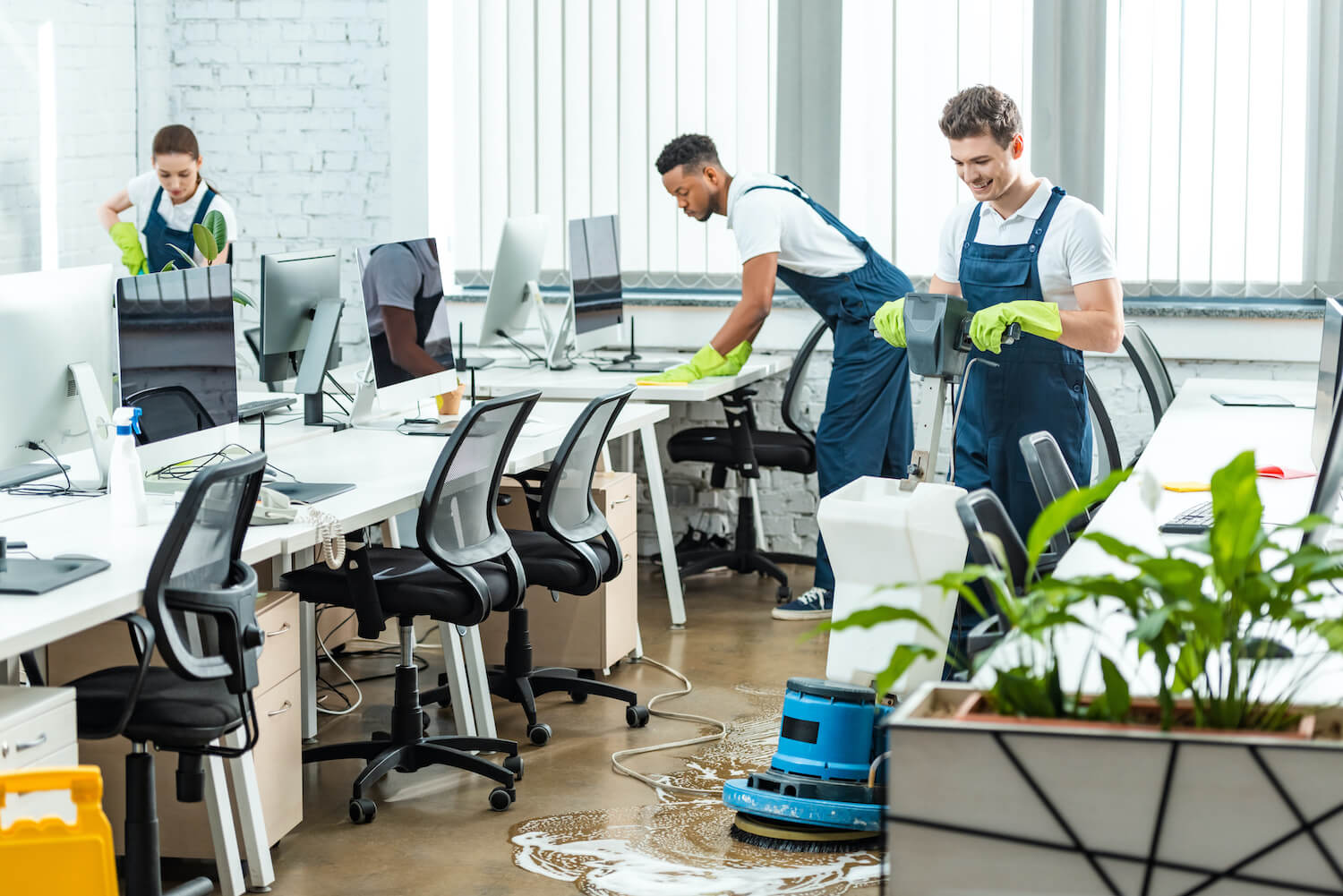
Hospital-grade disinfection for offices targeting high-touch surfaces and common areas.
Warehouse Dust Abatement
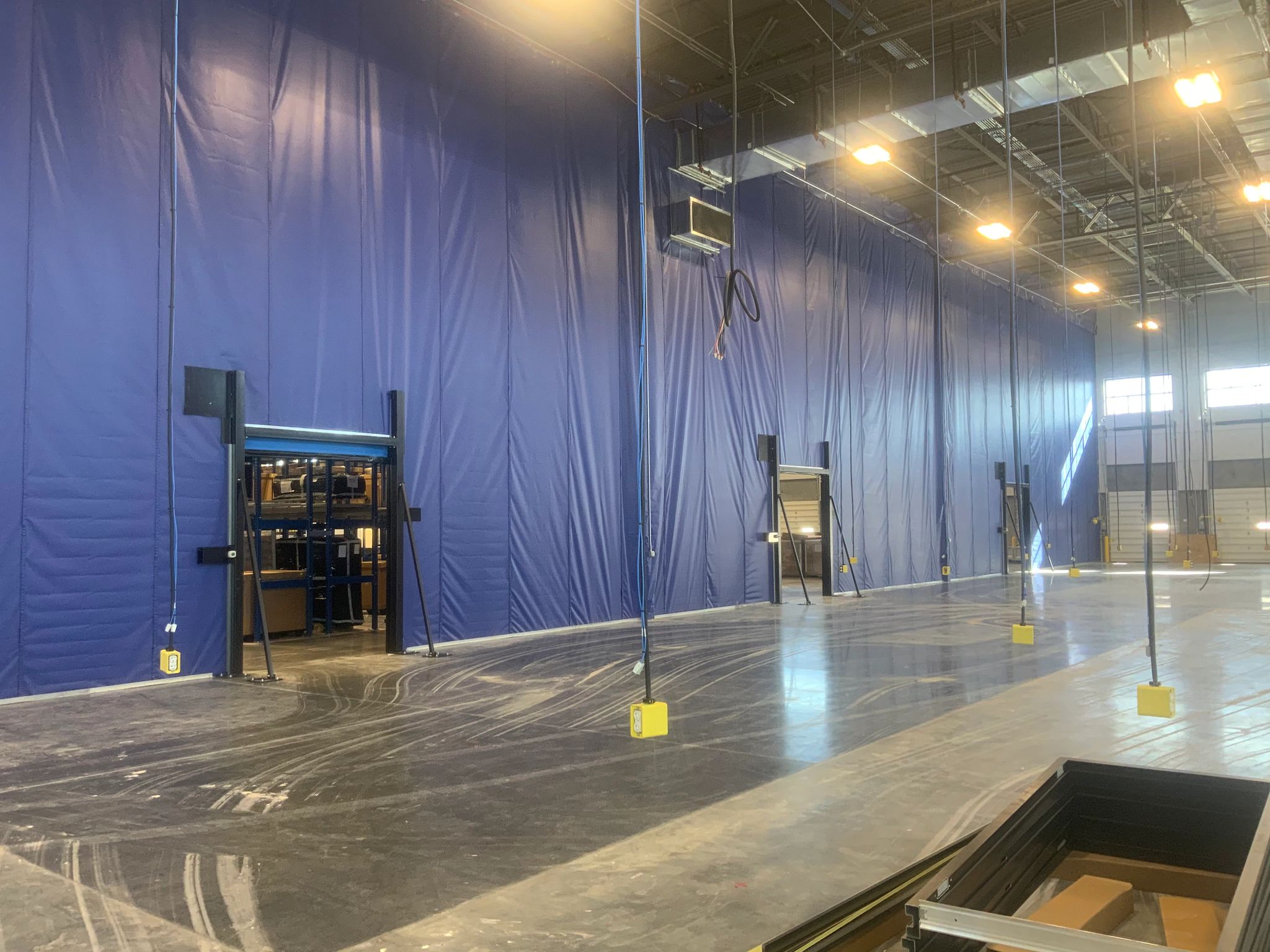
Industrial dust removal for warehouses, distribution centers, and storage facilities.
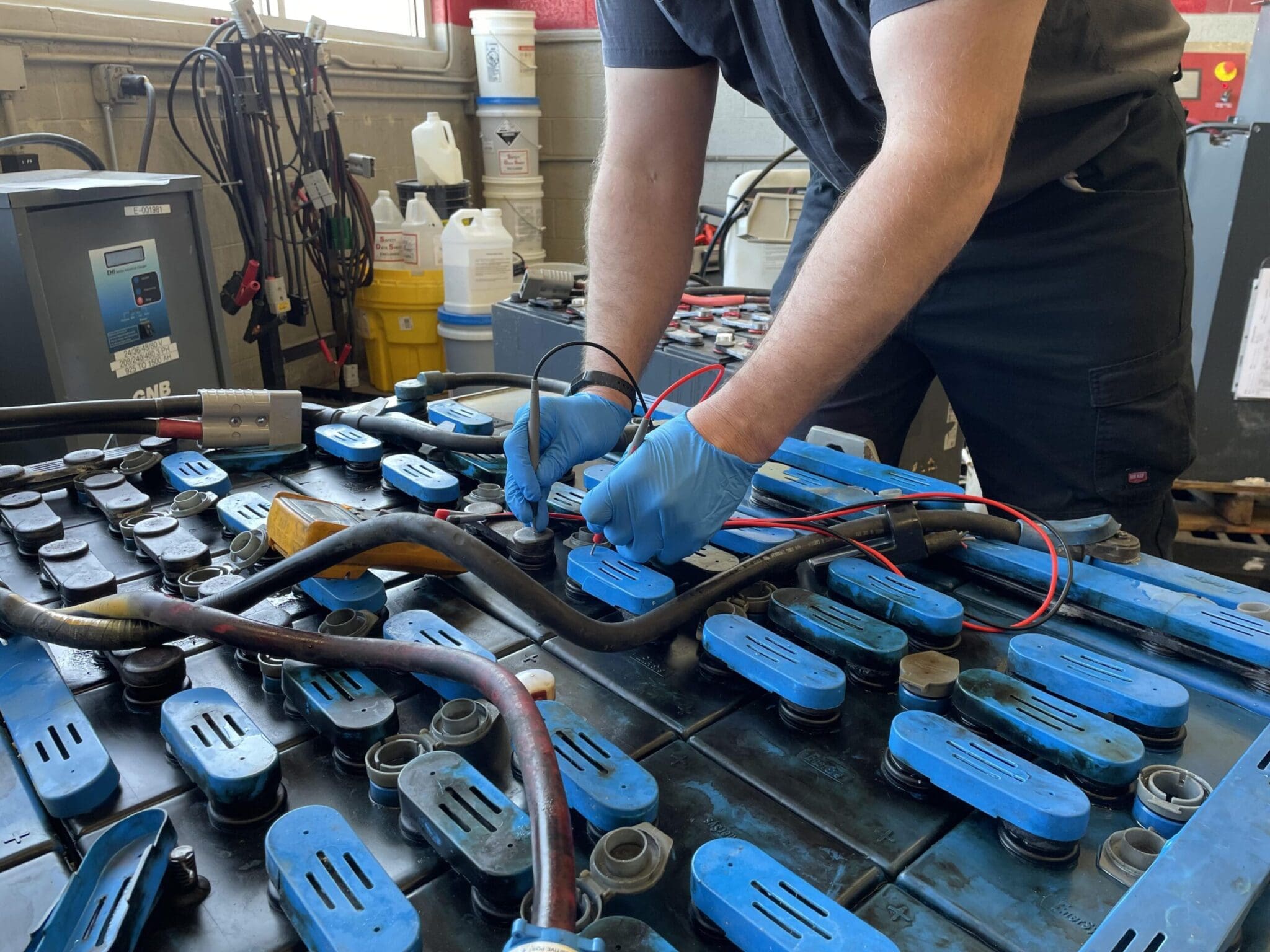
Warehouse Forklift Battery Cleaning
Specialized cleaning for forklift battery stations and warehouse charging areas.
Get Your Free Carpet Cleaning Quote Today
Contact us now for a customized cleaning plan tailored to your carpet cleaning needs.
Request Free Quoteservices planning guide
How to plan commercial carpet cleaning for a commercial facility in Dallas
Dallas Commercial Cleaning Services uses the following planning framework to help property managers and business owners turn a request for commercial cleaning and office maintenance into a scope that can be walked, priced, scheduled, and checked. It is designed for practical comparison and does not replace site-specific safety, material, vendor, or regulatory requirements.
Define the Work Before Pricing It
The strongest commercial carpet cleaning plan names measurable outcomes rather than relying on broad phrases such as “keep it clean.” Examples include streak-free entry glass, stocked and odor-controlled restrooms, debris-free floor edges, sanitized touchpoints, and completion before a stated opening time. For multi-tenant or mixed-use properties, commercial carpet cleaning should be divided by responsibility zone. Common areas, tenant suites, back-of-house spaces, loading areas, public restrooms, and restricted rooms can then receive schedules and approval rules that match their actual use. Square footage alone does not define the effort required for commercial carpet cleaning. Occupancy, floor materials, restroom count, food or production activity, security procedures, furniture density, and the time available between closing and reopening all affect labor and equipment planning. Before pricing commercial carpet cleaning, document exclusions as carefully as inclusions. Exterior work, high access, consumable supplies, waste handling, specialty floor restoration, equipment interiors, and event cleanup can be scheduled correctly only when responsibility is explicit.
Build the Schedule Around Operations
Recurring commercial carpet cleaning should include planned periodic work instead of waiting for visible deterioration. Rotating detail tasks through monthly or quarterly cycles protects floors, fixtures, glass, vents, edges, and other zones that routine visits cannot address completely. Daytime and after-hours service solve different operational problems. Day porter coverage manages visible conditions while people are present; after-hours crews complete disruptive or time-intensive tasks when work areas can be accessed safely and thoroughly. Scheduling should be built around operating hours and risk, not around the cleaning company’s convenience. Some commercial facility environments need a complete after-hours reset, while others benefit from daytime attention to entrances, restrooms, spills, or high-traffic common areas. A dependable plan includes a method for reporting schedule changes. The facility contact should know whom to notify, how much lead time is needed, and how missed or added visits affect the monthly program before an urgent request arises.
Make Quality Control Observable
A quality program should explain how corrections are handled. The facility contact needs a clear response path, a reasonable correction window, and confirmation when the issue is closed rather than a vague assurance that someone will look into it. Before-and-after documentation is especially valuable for one-time or restorative commercial carpet cleaning. It establishes the starting condition, records the completed result, and helps the facility manager decide whether a recurring maintenance cycle would prevent the same buildup. Inspection frequency should reflect the complexity of the account. A small weekly office may need periodic supervisory review, while a high-traffic or regulated environment may require documented checks several times each week. Useful performance conversations separate an isolated miss from a recurring process failure. One unemptied bin requires correction; repeated misses in the same wing may indicate unclear zoning, inadequate time, or a checklist that does not match the building.
Match Methods to Materials and Risk
Product selection should match the task and the occupied environment. Cleaning, degreasing, disinfecting, descaling, and finishing are different functions; using one product for every surface can leave residue, reduce effectiveness, or shorten asset life. Dwell time and physical removal are central to effective cleaning. A product cannot perform as intended if it is wiped away immediately, and loosened soil still needs to be removed with clean tools rather than redistributed across the surface. Color-coded cloths, pads, and tools can reduce cross-use between restrooms, food areas, workspaces, and public surfaces. The exact system matters less than having a documented method the crew can follow consistently. A material-safety discussion should include storage and labeling. Facility contacts should know where products and equipment will be kept, which rooms remain accessible to occupants, and how spills or damaged containers are reported.
Use the Walkthrough to Build the Scope
Discuss current service honestly during the walkthrough. What works should be preserved, what fails should be corrected, and any unrealistic expectation should be resolved before it becomes a recurring dispute after startup. The walkthrough should follow the facility’s traffic pattern from entrances through work areas, restrooms, support rooms, and exits. This reveals where soil enters, where it concentrates, and which tasks must be completed in a particular order. Access and safety constraints should be demonstrated, not merely mentioned. Alarm panels, loading doors, restricted areas, waste points, water access, electrical access, and equipment storage can change the labor plan materially. For larger properties, divide the walkthrough into zones and record the floor type, use, occupancy, and desired frequency for each. This produces a proposal that can be adjusted by zone without rewriting the entire program.
Put the Service Agreement in Writing
A commercial cleaning agreement should attach or reproduce the approved scope, frequency, service window, periodic task calendar, supply responsibilities, access rules, and communication contacts. The written detail protects both the property and the service team. Pricing should state whether it is monthly, per visit, hourly, or project based and should identify the assumptions behind it. Changes in occupied square footage, frequency, access time, or task scope need an agreed method for repricing. A structured startup period gives both sides a chance to refine the scope. Early inspections and a scheduled review after the first few visits can resolve workload assumptions before they become embedded in a long-term program. The agreement should state how holidays, weather closures, and client-requested skips are handled. These events affect visit counts and staffing, and the billing treatment should be clear before the first calendar exception.
Plan for Dallas Facility Conditions
Dallas facilities contend with long cooling seasons, tracked-in dust, pollen, severe-weather debris, and rapid development activity. Those conditions can influence entry cleaning, high dusting, floor care, glass maintenance, and the timing of periodic deep work. Fast regional growth creates frequent move-ins, renovations, tenant turnovers, and occupancy changes. The cleaning scope should be reviewed when a property changes use instead of assuming the previous tenant’s schedule remains appropriate. A local service plan should account for the property’s immediate environment. Construction nearby, open parking, landscaping, loading activity, and pedestrian traffic can change how quickly dust and debris return after a visit. Properties across Dallas–Fort Worth vary widely in access, occupancy, and operating schedule. A downtown office, suburban medical suite, industrial building, retail center, and hospitality property should not receive the same labor plan simply because their square footage is similar.
Compare Providers on More Than Price
Evaluate communication alongside cleaning technique. A facility manager needs timely updates, a named account contact, documented service requests, and a reliable process for resolving issues without repeatedly explaining the account. A pilot or structured startup can be useful when the facility is complex or the current condition is uncertain. Define what will be evaluated, how long the evaluation lasts, and what information determines the permanent scope. Ask each provider to explain staffing assumptions, visit length, supervision, equipment, and the process for covering absences. The answer reveals whether the proposal is an operating plan or simply a price attached to a task list. The final decision should align service frequency with the facility’s real use. Buying fewer visits than the property needs creates visible decline; buying unnecessary frequency wastes budget that could be directed to periodic or high-priority work.
Start, Measure, and Adjust the Program
After the first service cycle, compare actual labor and facility condition with the proposal assumptions. If the original scope was inaccurate, adjust it openly rather than expecting quality to survive an unrealistic workload. The first visit should not be treated as an ordinary maintenance visit when buildup already exists. Startup cleaning establishes a maintainable baseline and gives the crew a realistic view of the time required for future service. Crew orientation should cover the approved scope, building access, material cautions, waste handling, supply storage, security, and the communication path for exceptions. Written information is more dependable than verbal instructions passed between shifts. Periodic tasks should be placed on a calendar at startup. Floor work, carpet extraction, glass detailing, vent cleaning, high dusting, pressure cleaning, and other rotating services are easier to budget when dates are planned.
Bring to the walkthrough
- Approximate square footage, floor plan, and operating hours
- Current frequency, known complaints, and priority areas
- Flooring and surface notes, restricted rooms, and access rules
- Desired start date, budget constraints, and approval contacts
Expect in a written proposal
- Task scope by zone and visit frequency
- Service windows, periodic work, and supply responsibility
- Quality checks, communication, and correction procedures
- Pricing assumptions, exclusions, and change-order rules