
Commercial Cleaning Services in Garland
Professional cleaning solutions for businesses throughout Garland, TX and surrounding areas including Downtown Garland, Firewheel Town Center, Buckingham, and more.
Commercial Cleaning Services in Garland, Texas
Garland represents one of the Dallas-Fort Worth metroplex's most dynamic and diverse suburban cities, evolving from its agricultural roots into a major manufacturing and industrial hub while maintaining a rich multicultural character. Located approximately 20 miles northeast of downtown Dallas, Garland stands as the third-largest city in Dallas County by population, with 246,018 residents according to the 2020 Census. This strategic positioning—close enough to access Dallas's economic opportunities while maintaining distinct identity—has shaped a commercial landscape that demands versatile, professional cleaning services.
From Agricultural Origins to Industrial Powerhouse
Garland's history traces back to the 1850s when settlers established agricultural communities in the area. The city's modern identity emerged in the late 1930s when the Craddock food company and Byer-Rolnick hat factory established operations, beginning Garland's transformation into a manufacturing center. During World War II, additional defense contractors located in Garland, cementing its industrial character.
Today, Garland maintains a robust manufacturing sector spanning electronics, food processing, fabricated metals, and rubber products. This industrial heritage creates unique commercial cleaning requirements that differ significantly from those of typical suburban communities. Manufacturing facilities, warehouses, and industrial parks require specialized cleaning equipment, safety protocols, and expertise that standard janitorial services cannot provide.
Geographic Position and Transportation Access
Garland spans approximately 57.1 square miles in northeastern Dallas County, bordered by Dallas to the south, Richardson to the west, Rowlett to the east, and Sachse to the north. The city enjoys excellent transportation connectivity through:
**Major Highways**: Interstate 635 (LBJ Freeway), Interstate 30, President George Bush Turnpike, and State Highway 78 provide efficient access to Dallas, the rest of the metroplex, and major logistics corridors.
**DART Light Rail**: The Dallas Area Rapid Transit Blue Line serves Garland with multiple stations including Downtown Garland, Forest/Jupiter, and Lake Highlands stations, facilitating commuter access and transit-oriented development.
**Freight Infrastructure**: Garland's industrial areas benefit from proximity to major rail lines and freight corridors supporting manufacturing and distribution operations.
Major Business Districts and Commercial Areas
Garland's commercial landscape encompasses diverse zones requiring specialized cleaning approaches:
**Downtown Garland** has undergone significant revitalization, transforming around the historic downtown square and DART station. The area features the Granville Arts Center, historic buildings, restaurants, and small businesses requiring regular commercial cleaning with attention to historic preservation needs.
**Firewheel Town Center** serves as Garland's premier retail destination, an open-air lifestyle center featuring major retailers, restaurants, and entertainment options. This high-traffic retail environment requires comprehensive daily cleaning, common area maintenance, and specialized floor care for the center's extensive hardscape and landscape features.
**Buckingham** represents one of Garland's most established neighborhoods and commercial corridors, featuring medical offices, retail centers, and professional services requiring consistent cleaning services.
**Garland Center** and **Brentwood Place** house office complexes, medical facilities, and service businesses concentrated along major thoroughfares.
**Southeast Garland** encompasses industrial parks, manufacturing facilities, and warehouse districts requiring heavy-duty industrial cleaning services, including concrete floor maintenance, high-dusting, and equipment cleaning.
**North Garland** features residential neighborhoods with supporting retail and service businesses along major corridors.
Manufacturing and Industrial Base
Garland's economy retains significant industrial character, with major employers including:
**Electronics Manufacturing**: Companies producing components for telecommunications, computing, and consumer electronics require clean room protocols and specialized facility maintenance.
**Food Processing**: Garland maintains food manufacturing operations requiring sanitation protocols compliant with FDA and USDA regulations, including HACCP standards.
**Metal Fabrication and Machining**: These operations generate significant dust and debris requiring specialized industrial vacuuming, degreasing, and facility cleaning.
**Warehousing and Distribution**: Garland's logistics facilities require warehouse floor cleaning, racking maintenance, and dock area sanitation to maintain safety and efficiency.
**Printing and Publishing**: Commercial printing operations require specialized cleaning to control dust and maintain equipment performance.
Healthcare and Medical Facilities
Garland serves as a significant healthcare hub for northeastern Dallas County:
**Baylor Scott & White Medical Center – Garland** anchors the city's healthcare sector, a full-service hospital requiring comprehensive environmental services including patient room cleaning, surgical suite preparation, and infection control protocols.
**Medical Office Buildings** throughout the city house physician practices, dental offices, and outpatient clinics requiring cleaning services compliant with healthcare standards.
**Senior Living and Assisted Living Facilities** require specialized cleaning approaches for resident rooms, common areas, and dining facilities while maintaining dignity and comfort for residents.
Cultural Diversity and Market Considerations
Garland stands as one of the most culturally diverse cities in Texas, with significant populations representing:
- **Vietnamese Community**: Garland hosts one of the largest Vietnamese American populations in the United States, concentrated along Walnut Street and surrounding areas. Vietnamese-owned businesses include restaurants, retail shops, professional services, and manufacturing companies.
- **Hispanic and Latino Communities**: Significant representation throughout the city supporting Spanish-language service delivery needs.
- **African American Community**: Historic and established presence contributing to the city's cultural fabric.
- **International Diversity**: Growing populations from across Asia, Africa, and Latin America create a multicultural business environment.
This diversity influences commercial cleaning needs through varied cultural expectations, multilingual communication requirements, and specialized cleaning needs for ethnic restaurants and cultural centers.
Retail and Shopping Centers
Beyond Firewheel Town Center, Garland features numerous retail environments requiring professional cleaning:
**Garland MarketPlace** and other power centers house big-box retailers requiring regular maintenance of expansive retail floors and high-ceiling common areas.
**Neighborhood Shopping Centers** throughout residential areas serve daily shopping needs with consistent cleaning requirements for grocery stores, pharmacies, and service businesses.
**Ethnic Retail Corridors** along Walnut Street and other major thoroughfares feature Asian markets, restaurants, and specialty stores with unique cleaning challenges including food preparation areas and specialized merchandise displays.
Climate and Environmental Considerations
Garland shares the Dallas-Fort Worth metroplex's humid subtropical climate with specific implications for commercial cleaning:
**Summer Heat and Humidity**: Temperatures regularly exceed 100°F during summer months, increasing HVAC system strain and indoor dust accumulation. Commercial buildings require enhanced filter maintenance and air duct cleaning to maintain indoor air quality.
**Seasonal Storms**: Spring brings severe thunderstorms and hail that can damage building exteriors and create water intrusion issues requiring emergency cleaning and restoration services.
**Drought Considerations**: Garland periodically experiences drought conditions affecting water availability for cleaning operations. Professional services employ water-conserving cleaning methods and drought-resistant practices.
**Tree Coverage**: Garland maintains extensive tree canopy in many neighborhoods, contributing to leaf debris and pollen loads that affect building exteriors and HVAC systems.
Educational Facilities
Garland Independent School District (GISD) ranks among Texas's largest school districts, serving over 54,000 students across numerous campuses. The district's cleaning requirements include:
- **Elementary, Middle, and High Schools** requiring daily cleaning of classrooms, cafeterias, gymnasiums, and administrative areas
- **Specialized Career and Technical Education Facilities** including culinary arts, automotive, and welding programs requiring specialized cleaning protocols
- **Administrative Buildings** housing district operations
- **Support Facilities** including maintenance shops and warehouses
Richland College (Dallas College) maintains a campus in Garland, adding higher education cleaning requirements to the city's needs.
Commercial Cleaning Priorities in Garland
Given Garland's unique characteristics, commercial cleaning services must address:
**Industrial Expertise**: Manufacturing and warehouse facilities require heavy-duty equipment, specialized cleaning agents, and safety-trained personnel capable of working in industrial environments.
**Healthcare Compliance**: Medical facilities require adherence to CDC, OSHA, and Joint Commission standards for environmental services, including proper disinfection protocols and infection control measures.
**Cultural Sensitivity**: Serving Garland's diverse population requires multilingual capabilities, cultural awareness, and respect for varied business practices and expectations.
**Retail Focus**: High-traffic shopping centers demand consistent daily cleaning, rapid response to spills and incidents, and periodic deep cleaning to maintain customer appeal.
**Transportation Efficiency**: With 57 square miles to cover and major highways providing access, efficient routing and logistics are essential for timely service delivery.
**Educational Facility Experience**: Schools and educational facilities require background-checked staff, flexible scheduling around academic calendars, and expertise in cleaning high-occupancy buildings.
Our commercial cleaning services are specifically designed to meet Garland's diverse industrial, commercial, and institutional needs. Whether maintaining a manufacturing facility in Southeast Garland, a medical office near Baylor Hospital, or a retail store at Firewheel Town Center, we deliver the specialized expertise and reliable service that Garland businesses require.
Neighborhoods We Serve in Garland
Cleaning Services Available in Garland
Why Garland Businesses Choose Us
Area-Focused Service
We understand the specific needs of businesses in this area
Trained Teams
Cleaning staff trained for commercial environments
Flexible Scheduling
After-hours and weekend services available
Quality Checks
Clear checklists and walkthrough-ready results
Nearby Service Areas
Dallas, TX
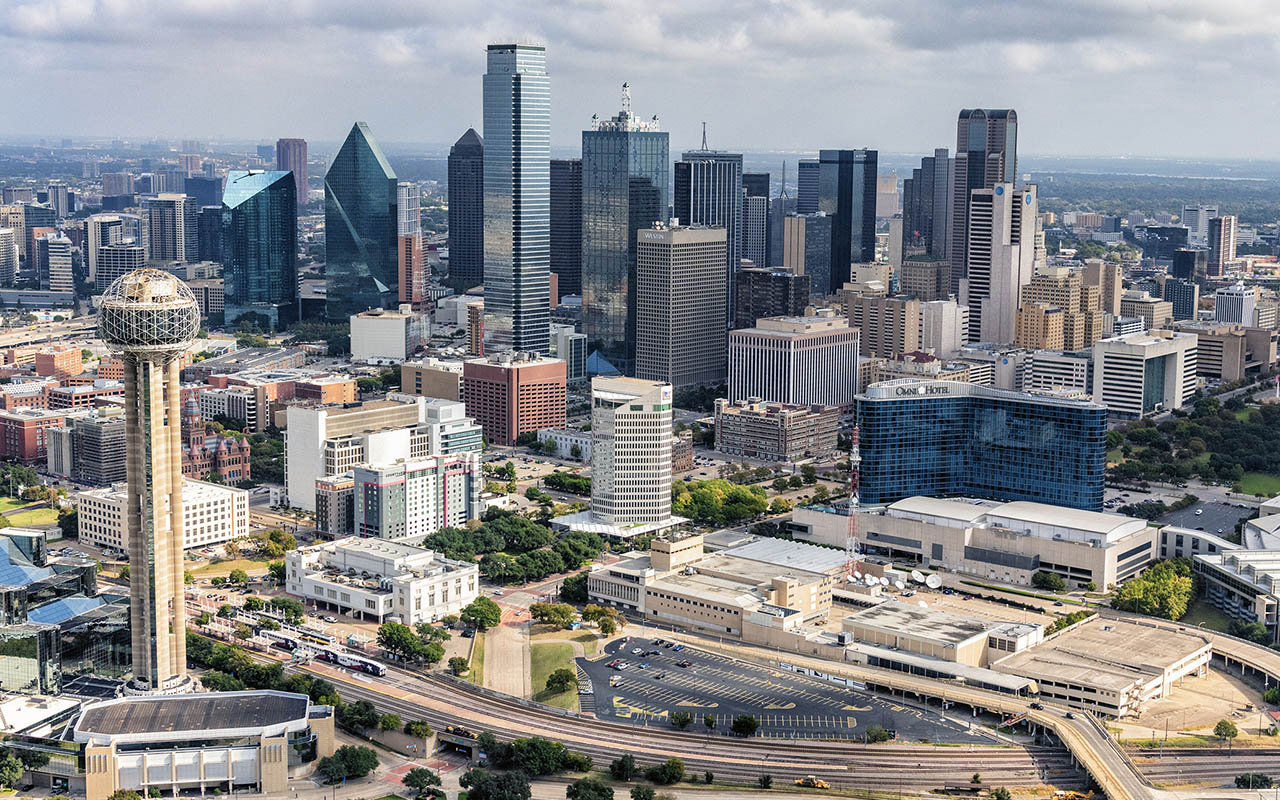
Commercial cleaning services for Dallas businesses across all major business districts.

Arlington, TX
Full-service commercial cleaning for Arlington businesses and commercial properties.
Irving, TX
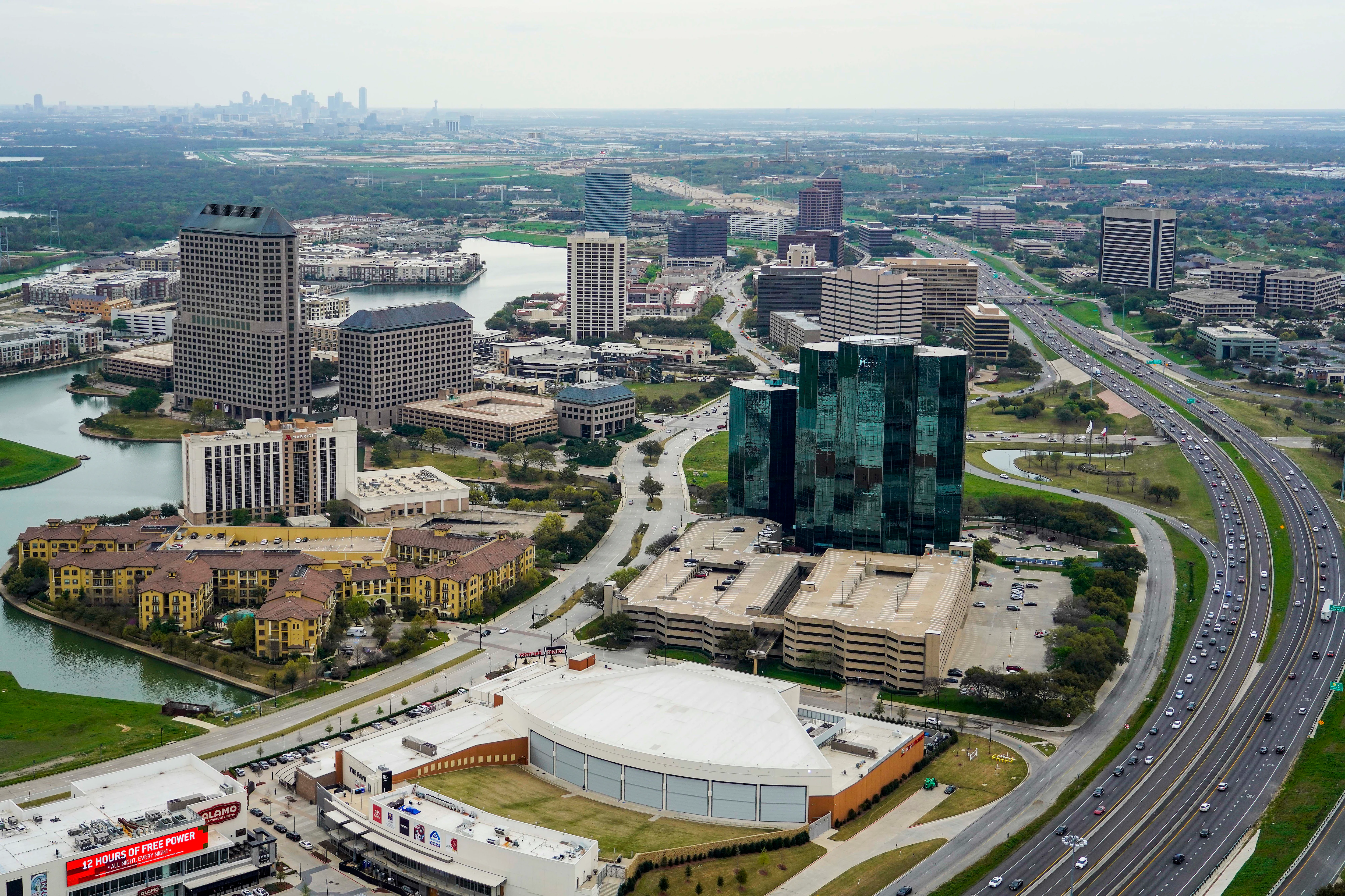
Premium cleaning services for Irving corporate campuses and commercial properties.
Mesquite, TX
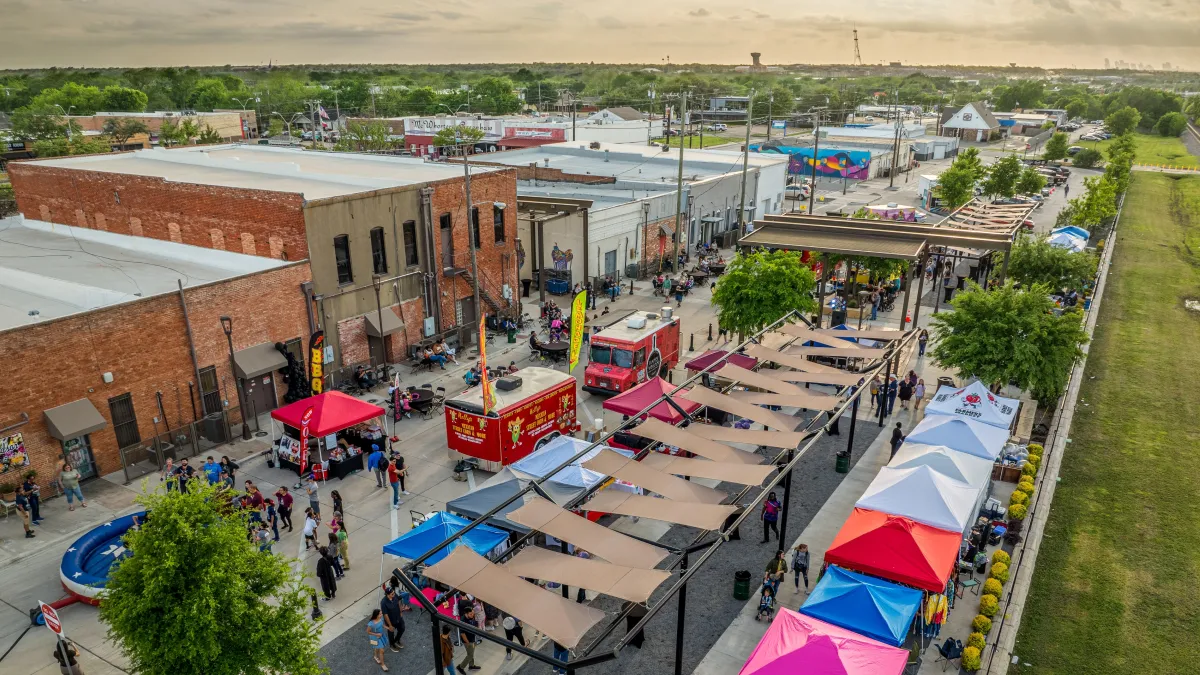
Commercial cleaning services for Mesquite retail, medical, and industrial properties.
Get Your Free Quote Today
Contact us now for a customized cleaning plan tailored to your Garland business needs.
Request Free Quotelocations planning guide
How to plan garland tx for a commercial facility in Dallas
Dallas Commercial Cleaning Services uses the following planning framework to help property managers and business owners turn a request for commercial cleaning and office maintenance into a scope that can be walked, priced, scheduled, and checked. It is designed for practical comparison and does not replace site-specific safety, material, vendor, or regulatory requirements.
Define the Work Before Pricing It
For multi-tenant or mixed-use properties, garland tx should be divided by responsibility zone. Common areas, tenant suites, back-of-house spaces, loading areas, public restrooms, and restricted rooms can then receive schedules and approval rules that match their actual use. A walkthrough for garland tx is most productive when the decision-maker identifies the spaces that create complaints, the areas that carry the most traffic, and the tasks the current program misses. Those observations turn a generic checklist into a practical scope tied to the way the property is actually used. Before pricing garland tx, document exclusions as carefully as inclusions. Exterior work, high access, consumable supplies, waste handling, specialty floor restoration, equipment interiors, and event cleanup can be scheduled correctly only when responsibility is explicit. The strongest garland tx plan names measurable outcomes rather than relying on broad phrases such as “keep it clean.” Examples include streak-free entry glass, stocked and odor-controlled restrooms, debris-free floor edges, sanitized touchpoints, and completion before a stated opening time.
Build the Schedule Around Operations
Daytime and after-hours service solve different operational problems. Day porter coverage manages visible conditions while people are present; after-hours crews complete disruptive or time-intensive tasks when work areas can be accessed safely and thoroughly. Access planning is part of service planning. Keys, badges, alarm procedures, loading access, elevator reservations, escort rules, and locked-room approvals should be confirmed before the first garland tx visit so the crew can complete the full scope without improvising. Recurring garland tx should include planned periodic work instead of waiting for visible deterioration. Rotating detail tasks through monthly or quarterly cycles protects floors, fixtures, glass, vents, edges, and other zones that routine visits cannot address completely. For Dallas–Fort Worth properties, travel windows and building access can materially affect the usable service period. A realistic schedule accounts for security handoffs and operating deadlines rather than promising a start time that leaves too little time to finish.
Make Quality Control Observable
Before-and-after documentation is especially valuable for one-time or restorative garland tx. It establishes the starting condition, records the completed result, and helps the facility manager decide whether a recurring maintenance cycle would prevent the same buildup. Consistent crew assignments improve garland tx because the team learns access routines, material sensitivities, recurring problem areas, and the expectations of the facility contact. Coverage plans are still necessary for absences so consistency does not depend on one individual. Inspection frequency should reflect the complexity of the account. A small weekly office may need periodic supervisory review, while a high-traffic or regulated environment may require documented checks several times each week. Useful performance conversations separate an isolated miss from a recurring process failure. One unemptied bin requires correction; repeated misses in the same wing may indicate unclear zoning, inadequate time, or a checklist that does not match the building.
Match Methods to Materials and Risk
Color-coded cloths, pads, and tools can reduce cross-use between restrooms, food areas, workspaces, and public surfaces. The exact system matters less than having a documented method the crew can follow consistently. A material-safety discussion should include storage and labeling. Facility contacts should know where products and equipment will be kept, which rooms remain accessible to occupants, and how spills or damaged containers are reported. Equipment should be selected for the facility rather than for convenience. HEPA filtration, low-moisture extraction, auto-scrubbing, water-fed poles, pressure equipment, or detail tools may be appropriate depending on access, surface, soil, and reopening time. Consumable supplies deserve their own responsibility list. Soap, paper products, liners, dispensers, batteries, air fresheners, and specialty items may be client supplied, contractor supplied, or billed separately, but the agreement should not leave that question open.
Use the Walkthrough to Build the Scope
The walkthrough should follow the facility’s traffic pattern from entrances through work areas, restrooms, support rooms, and exits. This reveals where soil enters, where it concentrates, and which tasks must be completed in a particular order. For larger properties, divide the walkthrough into zones and record the floor type, use, occupancy, and desired frequency for each. This produces a proposal that can be adjusted by zone without rewriting the entire program. Access and safety constraints should be demonstrated, not merely mentioned. Alarm panels, loading doors, restricted areas, waste points, water access, electrical access, and equipment storage can change the labor plan materially. If the requested garland tx includes restorative work, identify the difference between a first-service reset and ongoing maintenance. Startup work may require additional labor that should not be hidden inside the recurring visit price.
Put the Service Agreement in Writing
The agreement should explain how additional work is approved. Emergency cleanup, event service, construction dust, floor restoration, and extra porter coverage should not be performed or billed through an informal request that no one can later verify. The agreement should state how holidays, weather closures, and client-requested skips are handled. These events affect visit counts and staffing, and the billing treatment should be clear before the first calendar exception. A commercial cleaning agreement should attach or reproduce the approved scope, frequency, service window, periodic task calendar, supply responsibilities, access rules, and communication contacts. The written detail protects both the property and the service team. Insurance and vendor-document requirements should be confirmed during proposal review rather than after award. If the property requires a certificate, additional insured wording, vendor portal registration, or special access documentation, those steps can affect the startup date.
Plan for Dallas Facility Conditions
Fast regional growth creates frequent move-ins, renovations, tenant turnovers, and occupancy changes. The cleaning scope should be reviewed when a property changes use instead of assuming the previous tenant’s schedule remains appropriate. A local service plan should account for the property’s immediate environment. Construction nearby, open parking, landscaping, loading activity, and pedestrian traffic can change how quickly dust and debris return after a visit. DFW traffic makes realistic arrival windows important, especially when a crew must meet security or elevator access at a fixed time. The plan should protect enough on-site time to complete the work rather than compressing the scope after a delayed handoff. Commercial properties in the region frequently combine offices, warehouses, showrooms, food service, or public-facing areas under one address. Zoning the scope by use keeps the cleaning method appropriate for each part of the building.
Compare Providers on More Than Price
A pilot or structured startup can be useful when the facility is complex or the current condition is uncertain. Define what will be evaluated, how long the evaluation lasts, and what information determines the permanent scope. Ask each provider to explain staffing assumptions, visit length, supervision, equipment, and the process for covering absences. The answer reveals whether the proposal is an operating plan or simply a price attached to a task list. When comparing garland tx proposals, normalize the scope before comparing price. A lower monthly number may exclude periodic work, supplies, supervision, floor care, or enough labor to complete the stated checklist. Review the proposal for vague language. Terms such as “as needed,” “regularly,” and “periodically” should be converted into frequencies, triggers, or approval rules before the agreement is signed.
Start, Measure, and Adjust the Program
Closeout reporting should match the account’s complexity. A small property may need simple completion confirmation; a larger or specialized account may need inspection notes, issue photographs, supply alerts, and a record of periodic tasks. A stable program still needs review after renovations, staffing growth, seasonal traffic, operating-hour changes, or new equipment. Each change can alter soil load, access, or the time available for garland tx. After the first service cycle, compare actual labor and facility condition with the proposal assumptions. If the original scope was inaccurate, adjust it openly rather than expecting quality to survive an unrealistic workload. Task sequencing affects results. High dusting should precede lower-surface cleaning, dry soil removal should precede wet work, and areas with restricted reopening times should be completed early enough to dry or ventilate.
Bring to the walkthrough
- Approximate square footage, floor plan, and operating hours
- Current frequency, known complaints, and priority areas
- Flooring and surface notes, restricted rooms, and access rules
- Desired start date, budget constraints, and approval contacts
Expect in a written proposal
- Task scope by zone and visit frequency
- Service windows, periodic work, and supply responsibility
- Quality checks, communication, and correction procedures
- Pricing assumptions, exclusions, and change-order rules