Commercial Cleaning Services in Lewisville
Professional cleaning solutions for businesses throughout Lewisville, TX and surrounding areas including Old Town Lewisville, Vista Ridge Mall Area, Castle Hills, and more.
Commercial Cleaning Services in Lewisville, Texas
Lewisville represents the dynamic growth and opportunity characterizing northern Dallas-Fort Worth—a city that has transformed from a small farming community into a thriving suburban center serving as the commercial and recreational gateway to Denton County. Located in the northern reaches of the metroplex, Lewisville combines strategic retail positioning, lake-based recreation, and diverse residential development to create a commercial environment with unique cleaning demands. For businesses in this rapidly growing community, professional commercial cleaning services are essential to maintaining the standards expected by an expanding, increasingly affluent population.
Geographic Position and Growth Trajectory
Lewisville occupies approximately 42.5 square miles in southeastern Denton County, positioned at the junction of Interstate 35E and the Sam Rayburn Tollway (State Highway 121). This strategic location places Lewisville at the crossroads of major transportation corridors connecting Dallas to Denton and Fort Worth to McKinney.
The city's population has grown substantially, reaching 111,822 in the 2020 Census and continuing to expand as northern Denton County develops. This growth trajectory creates expanding commercial cleaning demand across retail, healthcare, office, and service sectors.
Lewisville sits at an elevation of approximately 520 feet above sea level, situated on the gently rolling Blackland Prairie with views of the Lewisville Lake dam to the north. The city's proximity to the lake significantly influences its identity and commercial character.
Lewisville Lake: Recreation and Economic Driver
Lewisville Lake (formerly Garza-Little Elm Reservoir) covers approximately 29,000 acres and serves as the city's defining geographic feature. The U.S. Army Corps of Engineers reservoir creates significant commercial cleaning demand:
**Marinas and Boat Clubs**: Multiple marinas including Pier 121 Marina, Lake Park Marina, and Eagle Point Marina require:
- Dock and walkway maintenance
- Clubhouse and facility cleaning
- Restroom and shower facility sanitation
- Food service area cleaning for marina restaurants
- Seasonal preparation and winterization cleaning
**Lake Parks**: Lewisville Lake Environmental Learning Area (LLELA), Lake Park, and other shoreline parks create:
- Public restroom maintenance
- Pavilion and picnic area cleaning
- Trail and walkway maintenance
- Special event cleanup requirements
**Lake-Related Businesses**: Boat dealers, water sports retailers, and fishing supply stores require retail cleaning with attention to inventory protection and customer presentation.
**Restaurants and Entertainment**: Lake-view dining establishments and entertainment venues require regular commercial cleaning with emphasis on guest experience.
Retail Hub for Northern Denton County
Lewisville has established itself as the primary retail destination for northern Denton County:
**Vista Ridge Mall**: This 1.3 million square-foot enclosed mall (recently rebranded and redeveloping) serves as a major regional shopping destination. Mall cleaning requires:
- Common area maintenance of corridors and seating areas
- Food court intensive sanitation
- Restroom facilities serving high visitor volumes
- Parking lot and exterior maintenance
- Extended operating hours to accommodate shopping traffic
- Specialized floor care for diverse surfaces
**The Highlands of Vista Ridge**: Major power center development featuring big-box retailers, restaurants, and service businesses.
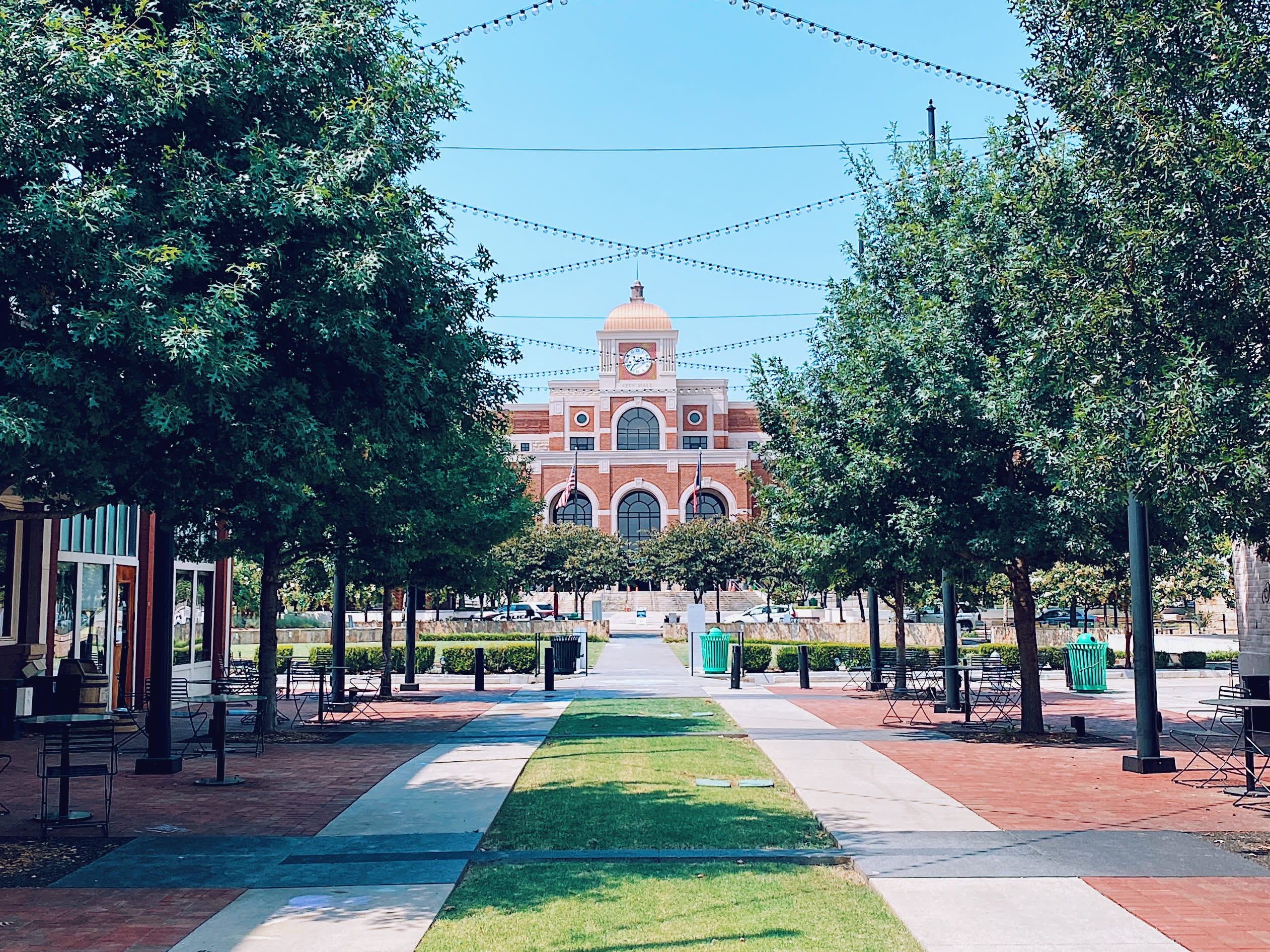
**Old Town Lewisville**: The historic downtown area along Main Street features local businesses, restaurants, and the Medical City Lewisville hospital. This area requires cleaning services that respect historic character while meeting modern standards.
**Retail Corridors**: Major retail concentration along FM 407 (Justin Road), FM 3040 (Round Grove Road), and Business 121 (Main Street) creates numerous shopping centers requiring consistent commercial cleaning.
Healthcare and Medical Services
**Medical City Lewisville** (formerly Lewisville Medical Center) anchors the city's healthcare sector as a full-service hospital. Hospital environmental services require:
- Patient room cleaning and terminal disinfection
- Surgical suite preparation and turnover
- Emergency department rapid cleaning protocols
- Infection control and isolation room procedures
- Public area maintenance for visitor spaces
- Compliance with Joint Commission standards
**Medical Office Buildings**: Numerous facilities throughout the city house physician practices, dental offices, urgent care clinics, and specialty services requiring healthcare-standard cleaning protocols.
**Rehabilitation and Therapy Centers**: Growing senior population supports physical therapy, occupational therapy, and rehabilitation facilities requiring specialized cleaning.
Corporate and Office Development
While primarily a retail and residential community, Lewisville maintains growing office presence:
**Corporate Office Parks**: Developments along State Highway 121 and Interstate 35E house regional offices, professional services, and corporate operations.
**Professional Services**: Law offices, accounting firms, insurance agencies, and real estate offices concentrated in commercial centers require professional office cleaning.
**Technology Companies**: Some technology and telecommunications operations have located in Lewisville, creating specialized cleaning requirements for equipment-intensive environments.
Transportation Infrastructure
**Interstate 35E**: The primary north-south corridor connecting Lewisville to Dallas (25 miles south) and Denton (10 miles north).
**Sam Rayburn Tollway (SH 121)**: East-west corridor connecting to DFW International Airport, Frisco, and McKinney.
**Denton County Transportation Authority (DCTA)**: The A-train commuter rail connects Lewisville to Denton and Dallas via transfer to DART, with the Lewisville Lake Station providing transit access.
**DFW International Airport**: Approximately 20 minutes south, supporting business travel and logistics.
Climate and Environmental Considerations
Lewisville experiences North Texas's humid subtropical climate with specific local considerations:
**Summer Heat**: Temperatures regularly exceed 100°F during summer months, increasing HVAC system strain and indoor dust accumulation. Retail environments with high customer traffic require enhanced air filtration and more frequent cleaning.
**Lake Effects**: Proximity to Lewisville Lake creates slightly higher humidity levels affecting building maintenance and mold prevention considerations.
**Severe Weather**: The city experiences spring thunderstorms, hail, and occasional tornadoes creating emergency cleanup needs and water damage restoration requirements.
**Flood Considerations**: Portions of Lewisville near creek systems and lake tributaries experience periodic flooding requiring specialized water damage cleaning protocols.
**Seasonal Allergens**: High tree pollen counts in spring and ragweed in fall create indoor air quality concerns requiring thorough HVAC cleaning.
Educational Facilities
**Lewisville Independent School District** (partially, as the city spans multiple districts) serves students with cleaning requirements for:
- Elementary, middle, and high school daily cleaning
- Cafeteria and food service sanitation
- Gymnasium and athletic facility maintenance
- Administrative building cleaning
- Special program facilities
**Denton Independent School District** also serves portions of Lewisville.
**Higher Education**: North Central Texas College maintains a presence in the area, creating campus cleaning needs.
Demographics and Market Considerations
Lewisville's growing population represents:
- **Young Families**: High percentage of families with children supporting retail, education, and family service businesses
- **Commuter Population**: Many residents work in Dallas, Denton, or Plano, creating demand for services during daytime hours
- **Affluent Growth**: Northern Denton County's development brings increasingly affluent residents with high service expectations
- **Diversity**: Growing multicultural population including Hispanic, Asian, and other communities
Recreation and Entertainment
**Lewisville Lake Environmental Learning Area (LLELA)**: 2,000-acre nature preserve requiring facility maintenance for visitor centers, trails, and educational facilities.
**Golf Courses**: Including Lake Park Golf Course and others requiring clubhouse, pro shop, and facility cleaning.
**Special Events**: The city hosts numerous festivals, concerts, and community events at venues like Wayne Ferguson Plaza requiring intensive pre-event and post-event cleaning.
Commercial Cleaning Priorities in Lewisville
Given Lewisville's retail focus, lake proximity, and growing population, cleaning services must address:
**Retail Expertise**: High-traffic shopping environments require rapid response capabilities, spill management expertise, and flexible scheduling around retail hours.
**Healthcare Compliance**: Medical facilities demand adherence to healthcare cleaning standards and infection control expertise.
**Lake-Related Services**: Marinas, parks, and recreational facilities require specialized outdoor maintenance and seasonal preparation.
**Growth Adaptability**: Rapid population growth creates expanding demand requiring scalable service capabilities.
**Transportation Efficiency**: Covering 42+ square miles with concentrated retail districts requires efficient routing and logistics.
**Educational Experience**: School cleaning requires background-checked staff and expertise in high-occupancy building maintenance.
**Hospitality Standards**: Lake-view restaurants and entertainment venues require hospitality-trained staff and attention to guest experience.
Our commercial cleaning services understand Lewisville's unique position as the retail and recreational gateway to northern Denton County. From the high-traffic floors of Vista Ridge Mall to medical facilities, lake marinas, and growing office parks, we provide the reliable, professional service that supports this dynamic community's continued growth.
Neighborhoods We Serve in Lewisville
Cleaning Services Available in Lewisville
Why Lewisville Businesses Choose Us
Area-Focused Service
We understand the specific needs of businesses in this area
Trained Teams
Cleaning staff trained for commercial environments
Flexible Scheduling
After-hours and weekend services available
Quality Checks
Clear checklists and walkthrough-ready results
Nearby Service Areas
Dallas, TX
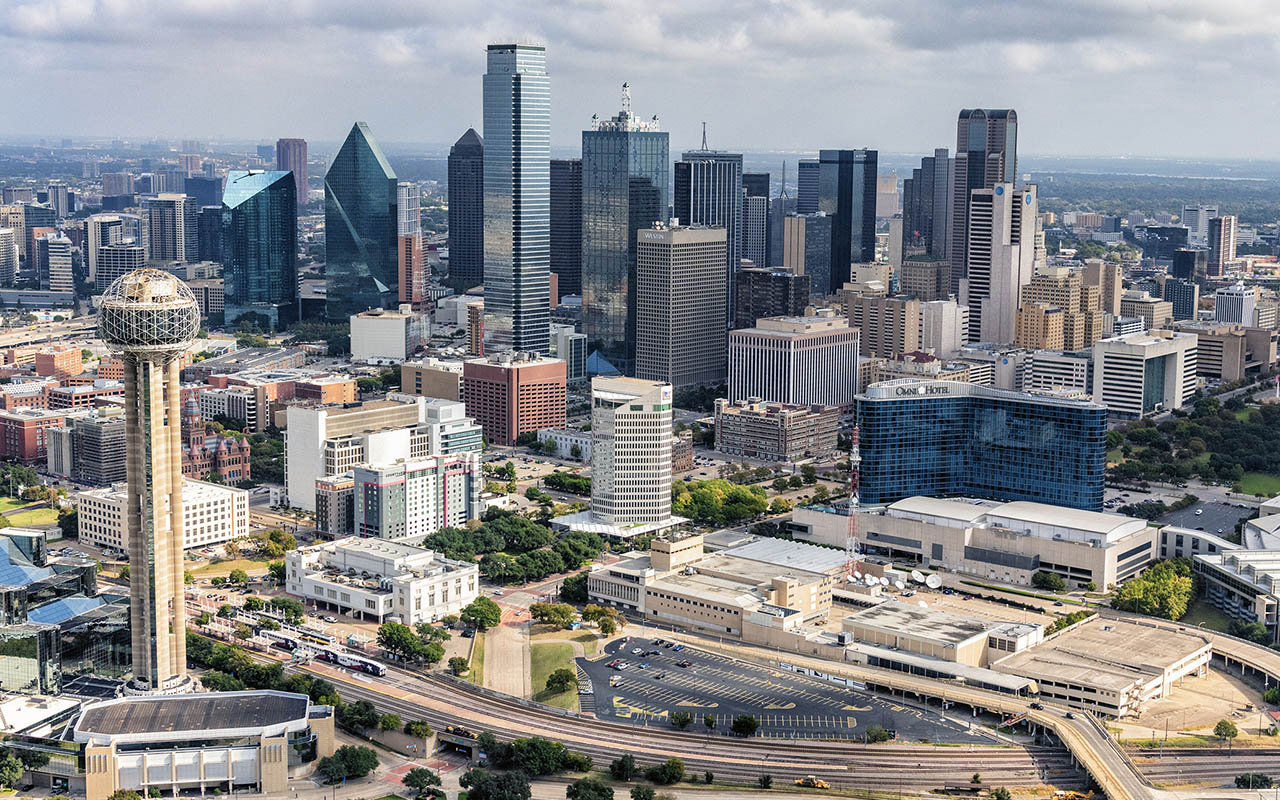
Commercial cleaning services for Dallas businesses across all major business districts.

Arlington, TX
Full-service commercial cleaning for Arlington businesses and commercial properties.

Garland, TX
Industrial and commercial cleaning services for Garland businesses and facilities.
Irving, TX
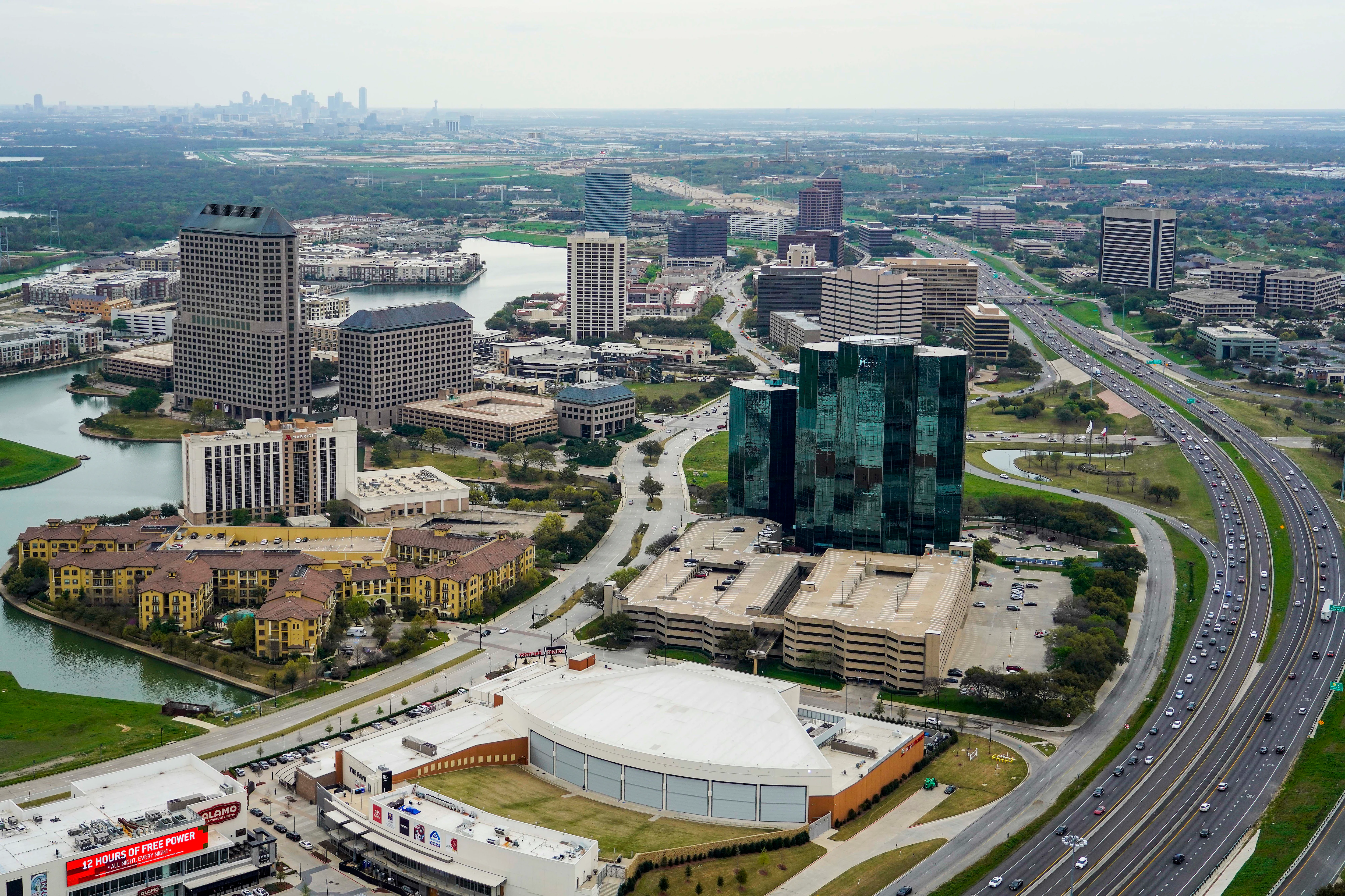
Premium cleaning services for Irving corporate campuses and commercial properties.
Get Your Free Quote Today
Contact us now for a customized cleaning plan tailored to your Lewisville business needs.
Request Free Quotelocations planning guide
How to plan lewisville tx for a commercial facility in Dallas
Dallas Commercial Cleaning Services uses the following planning framework to help property managers and business owners turn a request for commercial cleaning and office maintenance into a scope that can be walked, priced, scheduled, and checked. It is designed for practical comparison and does not replace site-specific safety, material, vendor, or regulatory requirements.
Define the Work Before Pricing It
The strongest lewisville tx plan names measurable outcomes rather than relying on broad phrases such as “keep it clean.” Examples include streak-free entry glass, stocked and odor-controlled restrooms, debris-free floor edges, sanitized touchpoints, and completion before a stated opening time. Square footage alone does not define the effort required for lewisville tx. Occupancy, floor materials, restroom count, food or production activity, security procedures, furniture density, and the time available between closing and reopening all affect labor and equipment planning. For multi-tenant or mixed-use properties, lewisville tx should be divided by responsibility zone. Common areas, tenant suites, back-of-house spaces, loading areas, public restrooms, and restricted rooms can then receive schedules and approval rules that match their actual use. Before pricing lewisville tx, document exclusions as carefully as inclusions. Exterior work, high access, consumable supplies, waste handling, specialty floor restoration, equipment interiors, and event cleanup can be scheduled correctly only when responsibility is explicit.
Build the Schedule Around Operations
Recurring lewisville tx should include planned periodic work instead of waiting for visible deterioration. Rotating detail tasks through monthly or quarterly cycles protects floors, fixtures, glass, vents, edges, and other zones that routine visits cannot address completely. A nightly, daily, weekly, or project schedule changes more than visit frequency. It changes how much soil accumulates between visits, which tools are appropriate, how long each visit takes, and whether periodic deep work must be layered into the agreement. Access planning is part of service planning. Keys, badges, alarm procedures, loading access, elevator reservations, escort rules, and locked-room approvals should be confirmed before the first lewisville tx visit so the crew can complete the full scope without improvising. Scheduling should be built around operating hours and risk, not around the cleaning company’s convenience. Some commercial facility environments need a complete after-hours reset, while others benefit from daytime attention to entrances, restrooms, spills, or high-traffic common areas.
Make Quality Control Observable
A quality program should explain how corrections are handled. The facility contact needs a clear response path, a reasonable correction window, and confirmation when the issue is closed rather than a vague assurance that someone will look into it. A single complaint channel prevents service issues from disappearing between building occupants, property management, and the cleaning crew. Requests should be logged with the location, task, urgency, and desired completion time so the response can be verified. The account review should examine service requests, inspection findings, occupancy changes, supply use, and upcoming facility events. That review keeps the program aligned with the property instead of allowing an old scope to continue after the building changes. Quality control works best when it is tied to the site-specific scope. A supervisor can inspect completion against named rooms and outcomes, record exceptions, assign corrections, and identify patterns that require a change in staffing, tools, or frequency.
Match Methods to Materials and Risk
Product selection should match the task and the occupied environment. Cleaning, degreasing, disinfecting, descaling, and finishing are different functions; using one product for every surface can leave residue, reduce effectiveness, or shorten asset life. For sensitive or newly installed materials, a small test area can prevent expensive mistakes. The service plan should identify who approves the test result before broader cleaning or restoration proceeds. Surface identification matters because a process that works on one material can damage another. Before lewisville tx, confirm flooring, stone, coated metal, glass treatments, upholstery, painted surfaces, and manufacturer restrictions that affect chemistry or agitation. A material-safety discussion should include storage and labeling. Facility contacts should know where products and equipment will be kept, which rooms remain accessible to occupants, and how spills or damaged containers are reported.
Use the Walkthrough to Build the Scope
Discuss current service honestly during the walkthrough. What works should be preserved, what fails should be corrected, and any unrealistic expectation should be resolved before it becomes a recurring dispute after startup. A useful walkthrough ends with next steps: who will receive the written scope, who can approve revisions, whether a second technical visit is required, and what information is still needed before pricing is final. The walkthrough should follow the facility’s traffic pattern from entrances through work areas, restrooms, support rooms, and exits. This reveals where soil enters, where it concentrates, and which tasks must be completed in a particular order. Access and safety constraints should be demonstrated, not merely mentioned. Alarm panels, loading doors, restricted areas, waste points, water access, electrical access, and equipment storage can change the labor plan materially.
Put the Service Agreement in Writing
A commercial cleaning agreement should attach or reproduce the approved scope, frequency, service window, periodic task calendar, supply responsibilities, access rules, and communication contacts. The written detail protects both the property and the service team. Service-level expectations should be realistic and observable. A promise of “perfect cleaning” is less useful than response times, inspection routines, named completion outcomes, and an escalation process for repeated deficiencies. Cancellation, renewal, and notice terms deserve the same attention as the cleaning checklist. A facility manager comparing proposals should understand the initial term, renewal method, price-review process, and the notice required to change or end service. The agreement should state how holidays, weather closures, and client-requested skips are handled. These events affect visit counts and staffing, and the billing treatment should be clear before the first calendar exception.
Plan for Dallas Facility Conditions
Dallas facilities contend with long cooling seasons, tracked-in dust, pollen, severe-weather debris, and rapid development activity. Those conditions can influence entry cleaning, high dusting, floor care, glass maintenance, and the timing of periodic deep work. Storm seasons can create short-notice needs around entrances, exterior glass, tracked moisture, construction material, and debris. A recurring account should know how to request work outside the normal scope and whether priority response is available. Fast regional growth creates frequent move-ins, renovations, tenant turnovers, and occupancy changes. The cleaning scope should be reviewed when a property changes use instead of assuming the previous tenant’s schedule remains appropriate. DFW traffic makes realistic arrival windows important, especially when a crew must meet security or elevator access at a fixed time. The plan should protect enough on-site time to complete the work rather than compressing the scope after a delayed handoff.
Compare Providers on More Than Price
Evaluate communication alongside cleaning technique. A facility manager needs timely updates, a named account contact, documented service requests, and a reliable process for resolving issues without repeatedly explaining the account. References are most useful when the compared account resembles the property in size, use, and schedule. A successful small office account does not by itself demonstrate the systems needed for a large, high-traffic, or specialized facility. Review the proposal for vague language. Terms such as “as needed,” “regularly,” and “periodically” should be converted into frequencies, triggers, or approval rules before the agreement is signed. Ask each provider to explain staffing assumptions, visit length, supervision, equipment, and the process for covering absences. The answer reveals whether the proposal is an operating plan or simply a price attached to a task list.
Start, Measure, and Adjust the Program
After the first service cycle, compare actual labor and facility condition with the proposal assumptions. If the original scope was inaccurate, adjust it openly rather than expecting quality to survive an unrealistic workload. Periodic tasks should be placed on a calendar at startup. Floor work, carpet extraction, glass detailing, vent cleaning, high dusting, pressure cleaning, and other rotating services are easier to budget when dates are planned. The crew should record conditions outside the approved scope rather than quietly ignoring them or performing unapproved work. Photos and concise notes allow the facility manager to decide whether a separate service is warranted. The first visit should not be treated as an ordinary maintenance visit when buildup already exists. Startup cleaning establishes a maintainable baseline and gives the crew a realistic view of the time required for future service.
Bring to the walkthrough
- Approximate square footage, floor plan, and operating hours
- Current frequency, known complaints, and priority areas
- Flooring and surface notes, restricted rooms, and access rules
- Desired start date, budget constraints, and approval contacts
Expect in a written proposal
- Task scope by zone and visit frequency
- Service windows, periodic work, and supply responsibility
- Quality checks, communication, and correction procedures
- Pricing assumptions, exclusions, and change-order rules