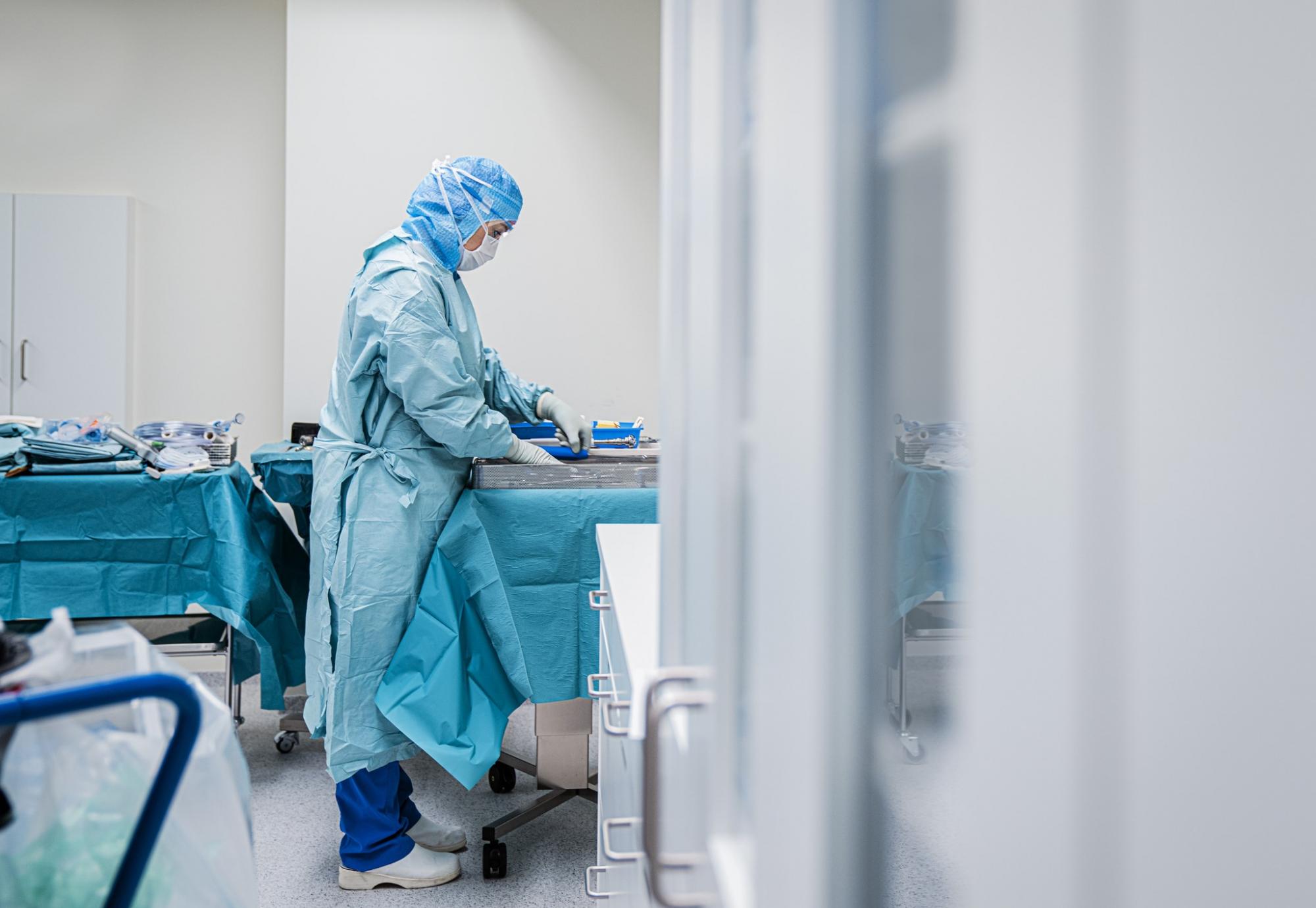
Clinic Infection Control Cleaning in Dallas
Healthcare-grade cleaning services for medical clinics, dental offices, and outpatient facilities. We follow strict infection control protocols using hospital-grade disinfectants to maintain safe, compliant environments for patients and staff.
Professional Clinic Cleaning Services in Dallas
Clinic infection control cleaning is a specialized medical-grade sanitization service designed specifically for healthcare environments where preventing pathogen transmission is critical. Unlike standard commercial cleaning, infection control cleaning follows strict protocols, uses hospital-grade disinfectants, and focuses on eliminating healthcare-associated infection risks in patient care areas.
Professional infection control services address the unique challenges of medical facilities including waiting rooms, examination rooms, procedure areas, and high-touch surfaces where patients with varying health conditions converge. For Dallas clinics, medical offices, and outpatient facilities, proper infection control cleaning is essential for patient safety, regulatory compliance, and maintaining the trust of patients and healthcare providers.
Benefits of Our Clinic Cleaning Service
Patient Safety Protection
Medical-grade disinfection protocols significantly reduce pathogen transmission risks, protecting vulnerable patients from healthcare-associated infections during their visit.
Regulatory Compliance
Professional infection control helps clinics meet Joint Commission standards, CDC guidelines, OSHA requirements, and Texas Department of State Health Services regulations.
Staff Health Protection
Comprehensive sanitization protects healthcare workers who are continuously exposed to pathogens, reducing occupational illness and maintaining staffing levels.
Patient Confidence
Visible cleanliness and documented infection control protocols reassure patients that their health and safety are priorities, building trust and encouraging return visits.
Liability Reduction
Proper infection control documentation and adherence to established protocols reduces legal liability and supports malpractice insurance requirements.
Our Process
Infection Control Assessment
We evaluate your clinic layout, patient flow, procedure types, and current protocols to develop a comprehensive infection control plan meeting medical environment standards.
Pre-Cleaning & Debris Removal
All visible soil, debris, and clutter are removed from surfaces. Cleaning must occur before disinfection—organic matter reduces disinfectant effectiveness.
Terminal Cleaning Protocol
Examination and procedure rooms receive systematic terminal cleaning from clean to dirty areas, ceiling to floor, ensuring comprehensive coverage with appropriate disinfectants.
High-Touch Point Disinfection
All high-touch surfaces are disinfected with hospital-grade products, ensuring proper contact time for pathogen elimination as specified by product labeling.
Floor Care & Sanitization
Floors are cleaned with appropriate methods for the space—mopping with disinfectant solutions for patient areas, more intensive cleaning for soiled environments.
Restroom Sanitization
Patient and staff restrooms receive thorough disinfection of all fixtures, surfaces, and touchpoints using hospital-grade products effective against healthcare pathogens.
Air Quality Management
Dusting and cleaning of vents, returns, and surfaces reduces airborne particulates that can harbor and transmit microorganisms.
Documentation & Verification
All cleaning activities are documented with dates, times, products used, and areas treated. ATP testing verifies effectiveness when required for quality assurance.
What's Included
- Exam room terminal cleaning
- Waiting area disinfection
- Medical equipment surface sanitization
- Floor disinfection with hospital-grade products
- Restroom sanitization per healthcare standards
- Bloodborne pathogen protocol compliance
Frequently Asked Questions About Clinic Cleaning
What disinfectants do you use in medical facilities?
We use EPA-registered hospital-grade disinfectants effective against a broad spectrum of pathogens including MRSA, VRE, influenza, norovirus, and SARS-CoV-2. Products are selected based on surface type and specific clinic needs while meeting healthcare regulations.
How often should medical clinics be professionally cleaned?
Examination rooms should be terminally cleaned between each patient. Waiting areas and common spaces need disinfection multiple times daily. Comprehensive deep cleaning should occur daily after hours, with continuous high-touch surface disinfection throughout operating hours.
Do your staff have healthcare cleaning training?
Yes. Our technicians receive specialized training in healthcare infection control, bloodborne pathogen safety, HIPAA awareness, proper PPE use, and medical environment cleaning protocols. We maintain current knowledge of CDC and Joint Commission guidelines.
Can you work around our patient schedule?
Absolutely. We schedule comprehensive cleaning during clinic closure hours. For facilities requiring continuous coverage, we coordinate closely with your staff to clean areas between patients without disrupting care.
Do you provide documentation for inspections?
Yes. We provide detailed cleaning logs, product safety data sheets, disinfectant efficacy documentation, and ATP testing results when requested. This documentation supports Joint Commission readiness and regulatory compliance.
What's the difference between cleaning and disinfecting?
Cleaning removes visible soil and organic matter using soap and water. Disinfecting kills microorganisms using EPA-registered chemicals. In healthcare settings, surfaces must be cleaned before disinfection, and disinfectants require proper contact time to be effective.
Can you handle biohazard situations?
Yes. Our technicians are trained and equipped to handle bloodborne pathogen cleanup according to OSHA standards. We use appropriate PPE, containment protocols, and disposal methods for potentially infectious materials.
Related Services in Dallas

Office Disinfection Services
Hospital-grade disinfection for offices targeting high-touch surfaces and common areas.
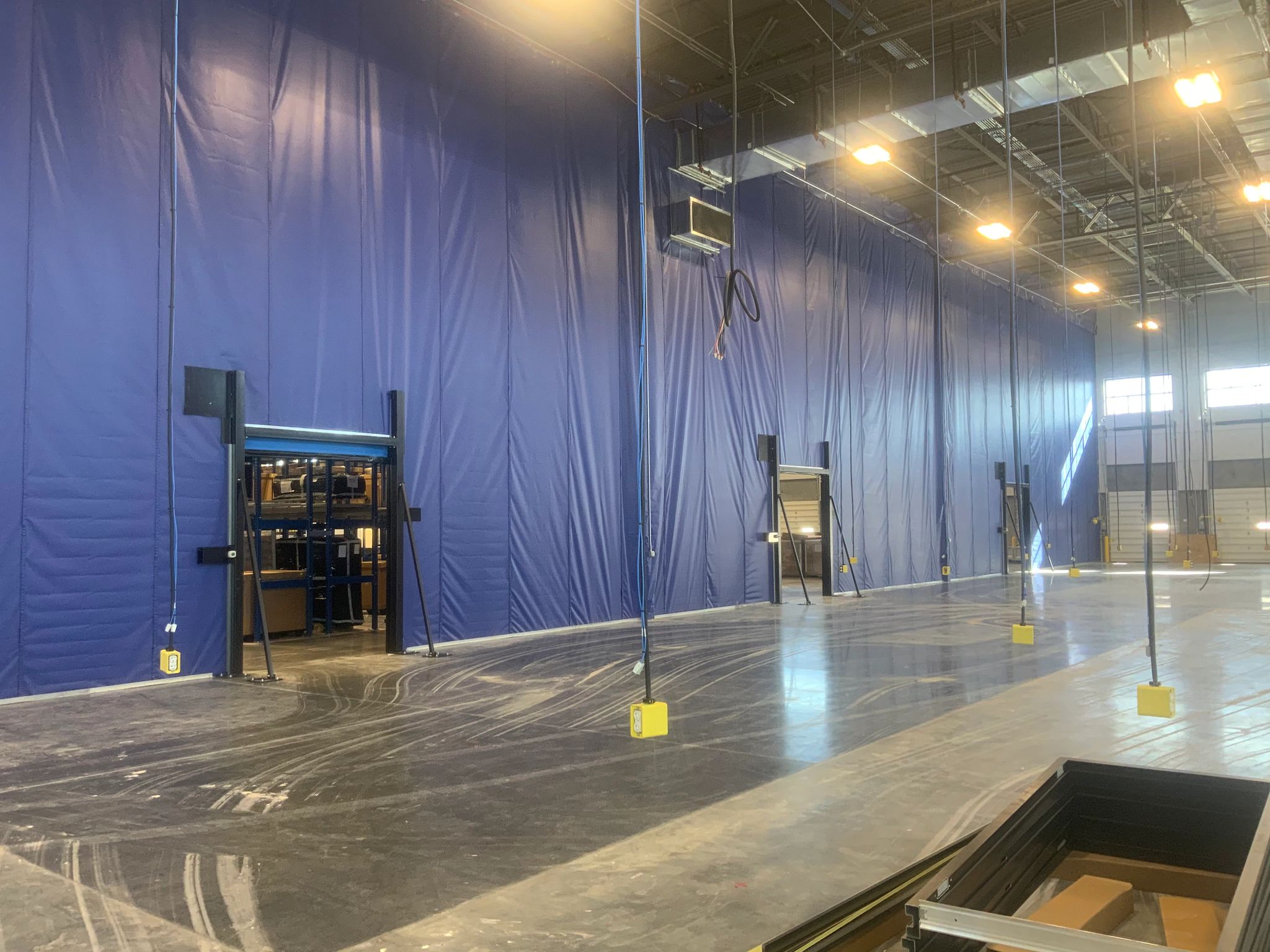
Warehouse Dust Abatement
Industrial dust removal for warehouses, distribution centers, and storage facilities.
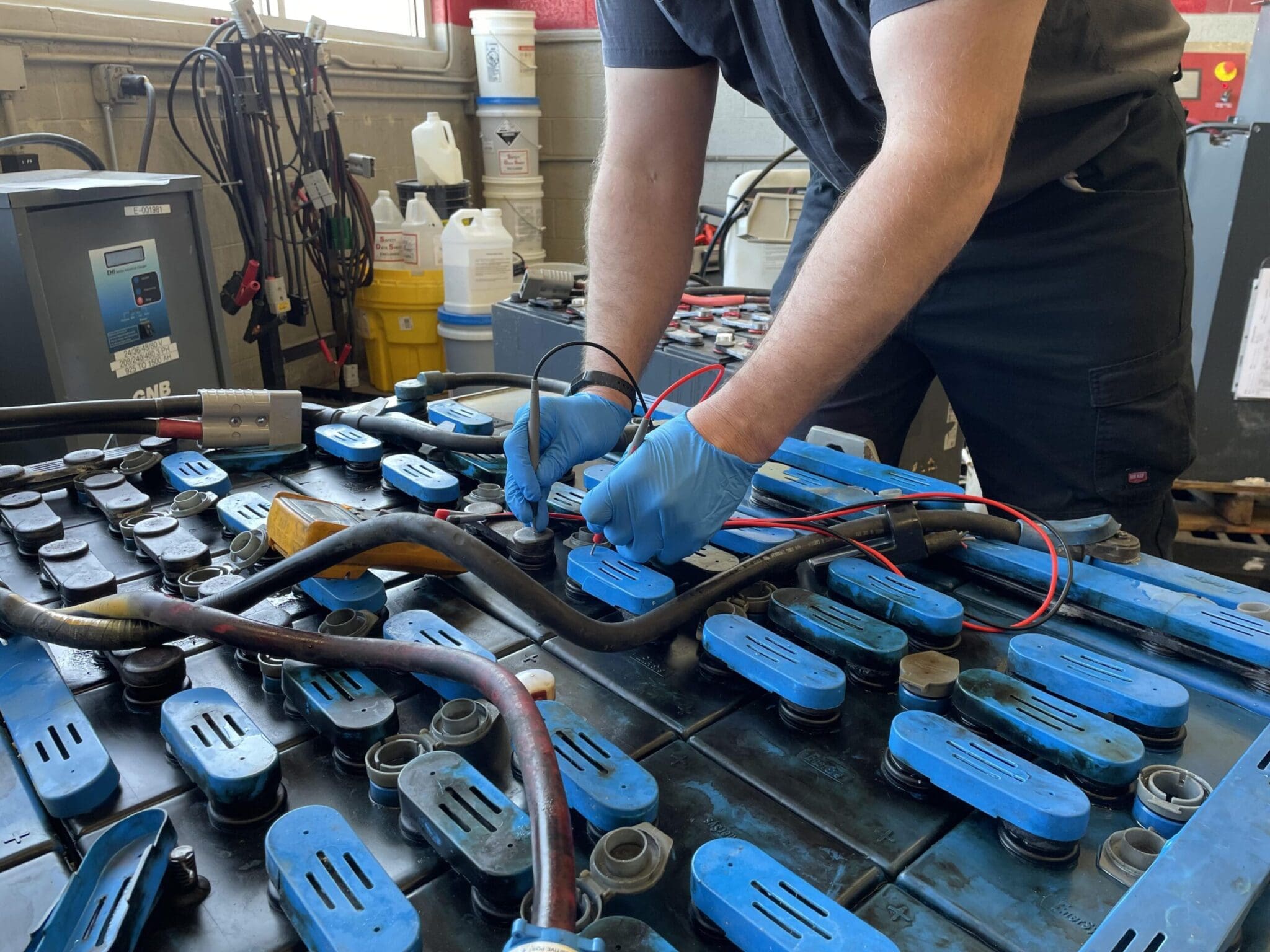
Warehouse Forklift Battery Cleaning
Specialized cleaning for forklift battery stations and warehouse charging areas.
Get Your Free Clinic Cleaning Quote Today
Contact us now for a customized cleaning plan tailored to your clinic cleaning needs.
Request Free Quoteservices planning guide
How to plan clinic infection control cleaning for a commercial facility in Dallas
Dallas Commercial Cleaning Services uses the following planning framework to help property managers and business owners turn a request for commercial cleaning and office maintenance into a scope that can be walked, priced, scheduled, and checked. It is designed for practical comparison and does not replace site-specific safety, material, vendor, or regulatory requirements.
Define the Work Before Pricing It
Clinic Infection Control Cleaning should begin with a written definition of the rooms, surfaces, fixtures, equipment boundaries, and access conditions included in the work. A useful scope separates routine tasks from periodic restoration so the facility manager can see what happens on every visit and what occurs only on a planned cycle. For multi-tenant or mixed-use properties, clinic infection control cleaning should be divided by responsibility zone. Common areas, tenant suites, back-of-house spaces, loading areas, public restrooms, and restricted rooms can then receive schedules and approval rules that match their actual use. Change orders are easier to avoid when the initial clinic infection control cleaning proposal records current conditions. Photographs, floor-type notes, access limitations, and known buildup give both sides a shared baseline for deciding what belongs in startup work and what belongs in recurring maintenance. The strongest clinic infection control cleaning plan names measurable outcomes rather than relying on broad phrases such as “keep it clean.” Examples include streak-free entry glass, stocked and odor-controlled restrooms, debris-free floor edges, sanitized touchpoints, and completion before a stated opening time.
Build the Schedule Around Operations
Facilities with irregular occupancy should use a flexible service calendar. Seasonal traffic, events, construction phases, tenant move-ins, inventory cycles, and weather can all create temporary cleaning demand that a rigid schedule will miss. Daytime and after-hours service solve different operational problems. Day porter coverage manages visible conditions while people are present; after-hours crews complete disruptive or time-intensive tasks when work areas can be accessed safely and thoroughly. Recurring clinic infection control cleaning should include planned periodic work instead of waiting for visible deterioration. Rotating detail tasks through monthly or quarterly cycles protects floors, fixtures, glass, vents, edges, and other zones that routine visits cannot address completely. A dependable plan includes a method for reporting schedule changes. The facility contact should know whom to notify, how much lead time is needed, and how missed or added visits affect the monthly program before an urgent request arises.
Make Quality Control Observable
Inspection frequency should reflect the complexity of the account. A small weekly office may need periodic supervisory review, while a high-traffic or regulated environment may require documented checks several times each week. Before-and-after documentation is especially valuable for one-time or restorative clinic infection control cleaning. It establishes the starting condition, records the completed result, and helps the facility manager decide whether a recurring maintenance cycle would prevent the same buildup. The account review should examine service requests, inspection findings, occupancy changes, supply use, and upcoming facility events. That review keeps the program aligned with the property instead of allowing an old scope to continue after the building changes. A single complaint channel prevents service issues from disappearing between building occupants, property management, and the cleaning crew. Requests should be logged with the location, task, urgency, and desired completion time so the response can be verified.
Match Methods to Materials and Risk
A material-safety discussion should include storage and labeling. Facility contacts should know where products and equipment will be kept, which rooms remain accessible to occupants, and how spills or damaged containers are reported. Dwell time and physical removal are central to effective cleaning. A product cannot perform as intended if it is wiped away immediately, and loosened soil still needs to be removed with clean tools rather than redistributed across the surface. Surface identification matters because a process that works on one material can damage another. Before clinic infection control cleaning, confirm flooring, stone, coated metal, glass treatments, upholstery, painted surfaces, and manufacturer restrictions that affect chemistry or agitation. Consumable supplies deserve their own responsibility list. Soap, paper products, liners, dispensers, batteries, air fresheners, and specialty items may be client supplied, contractor supplied, or billed separately, but the agreement should not leave that question open.
Use the Walkthrough to Build the Scope
If the requested clinic infection control cleaning includes restorative work, identify the difference between a first-service reset and ongoing maintenance. Startup work may require additional labor that should not be hidden inside the recurring visit price. The walkthrough should follow the facility’s traffic pattern from entrances through work areas, restrooms, support rooms, and exits. This reveals where soil enters, where it concentrates, and which tasks must be completed in a particular order. Bring a current floor plan, operating schedule, and list of known problem areas to the walkthrough. These details help Dallas Commercial Cleaning Services organize clinic infection control cleaning around actual conditions instead of estimating from square footage and a short phone description. For larger properties, divide the walkthrough into zones and record the floor type, use, occupancy, and desired frequency for each. This produces a proposal that can be adjusted by zone without rewriting the entire program.
Put the Service Agreement in Writing
Insurance and vendor-document requirements should be confirmed during proposal review rather than after award. If the property requires a certificate, additional insured wording, vendor portal registration, or special access documentation, those steps can affect the startup date. Pricing should state whether it is monthly, per visit, hourly, or project based and should identify the assumptions behind it. Changes in occupied square footage, frequency, access time, or task scope need an agreed method for repricing. The agreement should state how holidays, weather closures, and client-requested skips are handled. These events affect visit counts and staffing, and the billing treatment should be clear before the first calendar exception. The agreement should explain how additional work is approved. Emergency cleanup, event service, construction dust, floor restoration, and extra porter coverage should not be performed or billed through an informal request that no one can later verify.
Plan for Dallas Facility Conditions
Storm seasons can create short-notice needs around entrances, exterior glass, tracked moisture, construction material, and debris. A recurring account should know how to request work outside the normal scope and whether priority response is available. Dallas facilities contend with long cooling seasons, tracked-in dust, pollen, severe-weather debris, and rapid development activity. Those conditions can influence entry cleaning, high dusting, floor care, glass maintenance, and the timing of periodic deep work. Properties across Dallas–Fort Worth vary widely in access, occupancy, and operating schedule. A downtown office, suburban medical suite, industrial building, retail center, and hospitality property should not receive the same labor plan simply because their square footage is similar. DFW traffic makes realistic arrival windows important, especially when a crew must meet security or elevator access at a fixed time. The plan should protect enough on-site time to complete the work rather than compressing the scope after a delayed handoff.
Compare Providers on More Than Price
When comparing clinic infection control cleaning proposals, normalize the scope before comparing price. A lower monthly number may exclude periodic work, supplies, supervision, floor care, or enough labor to complete the stated checklist. A pilot or structured startup can be useful when the facility is complex or the current condition is uncertain. Define what will be evaluated, how long the evaluation lasts, and what information determines the permanent scope. References are most useful when the compared account resembles the property in size, use, and schedule. A successful small office account does not by itself demonstrate the systems needed for a large, high-traffic, or specialized facility. Evaluate communication alongside cleaning technique. A facility manager needs timely updates, a named account contact, documented service requests, and a reliable process for resolving issues without repeatedly explaining the account.
Start, Measure, and Adjust the Program
Crew orientation should cover the approved scope, building access, material cautions, waste handling, supply storage, security, and the communication path for exceptions. Written information is more dependable than verbal instructions passed between shifts. The first visit should not be treated as an ordinary maintenance visit when buildup already exists. Startup cleaning establishes a maintainable baseline and gives the crew a realistic view of the time required for future service. Task sequencing affects results. High dusting should precede lower-surface cleaning, dry soil removal should precede wet work, and areas with restricted reopening times should be completed early enough to dry or ventilate. Closeout reporting should match the account’s complexity. A small property may need simple completion confirmation; a larger or specialized account may need inspection notes, issue photographs, supply alerts, and a record of periodic tasks.
Bring to the walkthrough
- Approximate square footage, floor plan, and operating hours
- Current frequency, known complaints, and priority areas
- Flooring and surface notes, restricted rooms, and access rules
- Desired start date, budget constraints, and approval contacts
Expect in a written proposal
- Task scope by zone and visit frequency
- Service windows, periodic work, and supply responsibility
- Quality checks, communication, and correction procedures
- Pricing assumptions, exclusions, and change-order rules