Commercial Upholstery Cleaning in Dallas
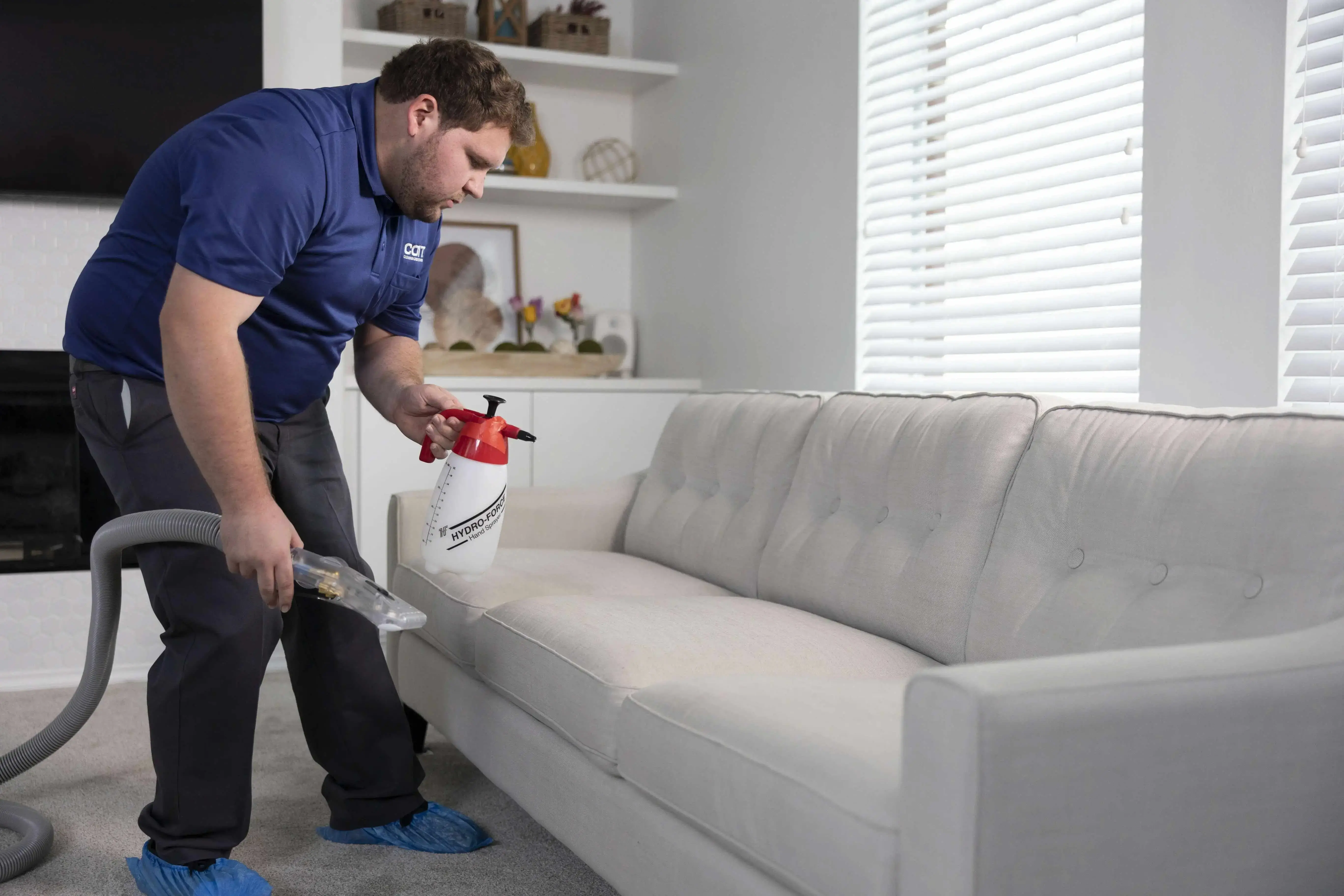
Professional upholstery cleaning for office furniture, waiting area seating, and commercial fabric surfaces. We remove stains, allergens, and odors from fabric and leather upholstery, extending furniture life and maintaining professional appearances.
Professional Upholstery Cleaning Services in Dallas
Commercial upholstery cleaning is a specialized service that addresses the unique challenges of maintaining fabric-covered furniture in business environments where appearance, hygiene, and durability are essential. Unlike residential upholstery cleaning, commercial service must handle high-use furniture, various fabric types, and the need to minimize business disruption.
Professional upholstery cleaning uses hot water extraction, low-moisture methods, or dry cleaning depending on fabric type and soiling conditions. For Dallas businesses with upholstered reception seating, office furniture, or waiting room chairs, regular professional cleaning is essential for maintaining professional appearances, extending furniture life, ensuring occupant health, and protecting your furniture investment.
Benefits of Our Upholstery Cleaning Service
Extended Furniture Lifespan
Regular professional cleaning removes abrasive soil particles that damage fabric fibers, potentially doubling the life of commercial upholstered furniture and delaying costly replacement.
Improved Indoor Air Quality
Upholstery traps allergens, dust mites, and pollutants that affect air quality. Professional extraction removes these contaminants, creating healthier environments for employees and visitors.
Enhanced Professional Image
Clean, fresh-smelling furniture creates positive impressions with clients and visitors. Stained or soiled upholstery detracts from even the most well-designed spaces.
Stain & Odor Removal
Professional treatment removes coffee spills, food stains, body oils, and odors that accumulate in commercial furniture, restoring appearance and freshness.
Healthier Work Environment
Removal of allergens, bacteria, and dust mites helps reduce respiratory issues and creates more comfortable spaces for employees and guests who spend extended time seated.
Our Process
Fabric Identification & Testing
We identify upholstery fabric type, construction, and cleaning code, then perform spot testing to ensure cleaning methods are safe and effective for your specific furniture.
Pre-Vacuuming & Preparation
Thorough vacuuming removes dry soil before wet cleaning. Furniture is positioned for access, and surrounding areas are protected from potential overspray.
Pre-Treatment & Spotting
Targeted treatments address heavily soiled areas and specific stains. Pre-conditioning agents break down oils and embedded soil for more effective extraction.
Agitation (When Needed)
Upholstery brushes or groomers work cleaning agents into fabric fibers to maximize soil suspension and cleaning effectiveness on heavily soiled furniture.
Hot Water Extraction
Controlled hot water extraction rinses fabric fibers while simultaneously extracting soil, allergens, and cleaning solutions. Adjustable pressure protects delicate fabrics.
Grooming & Drying Setup
Fabric is groomed to restore texture and appearance. Air movers are positioned to accelerate drying time, typically 2-6 hours depending on fabric and conditions.
Leather Conditioning (If Applicable)
Leather furniture receives conditioning treatment after cleaning to restore natural oils and protect against future soiling and cracking.
Final Inspection
Quality control ensures all areas meet standards, with attention to spot removal, overall appearance, and fabric texture restoration.
What's Included
- Hot water extraction upholstery cleaning
- Fabric protection treatment
- Leather cleaning and conditioning
- Stain and spot treatment
- Odor elimination treatment
- Waiting room and lobby seating cleaning
Frequently Asked Questions About Upholstery Cleaning
How often should commercial upholstery be professionally cleaned?
High-use reception and waiting areas should be cleaned quarterly. Office seating typically needs cleaning every 6-12 months. Executive furniture may need only annual service. Factors include usage intensity, fabric color, and appearance requirements.
How long does upholstery take to dry after cleaning?
Drying time varies by fabric type, humidity, and airflow. Most commercial upholstery dries within 2-6 hours. We use high-velocity air movers to accelerate drying and can schedule services to ensure furniture is ready when needed.
Will cleaning damage or shrink my upholstery?
Professional cleaning by trained technicians using appropriate methods for your specific fabric will not cause damage or shrinkage. We test fabrics first and adjust techniques accordingly. DIY cleaning poses much greater risk.
Can you remove all stains from upholstery?
While we successfully remove most stains, permanent damage from bleach, certain dyes, or prolonged exposure to acidic substances may not be reversible. We assess stains during pre-inspection and set realistic expectations.
Do you offer fabric protection treatments?
Yes. We can apply professional-grade fabric protectors that create a barrier against future spills and stains, making maintenance easier and extending time between cleanings. This is especially valuable for light-colored or high-use furniture.
Can you clean leather office furniture?
Absolutely. Leather requires specialized cleaning and conditioning that we provide. Our leather care removes soil while preserving the natural oils that keep leather supple and prevent cracking.
Will cleaning disrupt our office operations?
We schedule upholstery cleaning during off-hours, weekends, or holidays to minimize disruption. Individual pieces can often be cleaned and dried within a few hours, allowing flexible scheduling around your operations.
Related Services in Dallas
Office Disinfection Services
Hospital-grade disinfection for offices targeting high-touch surfaces and common areas.
Warehouse Dust Abatement
Industrial dust removal for warehouses, distribution centers, and storage facilities.
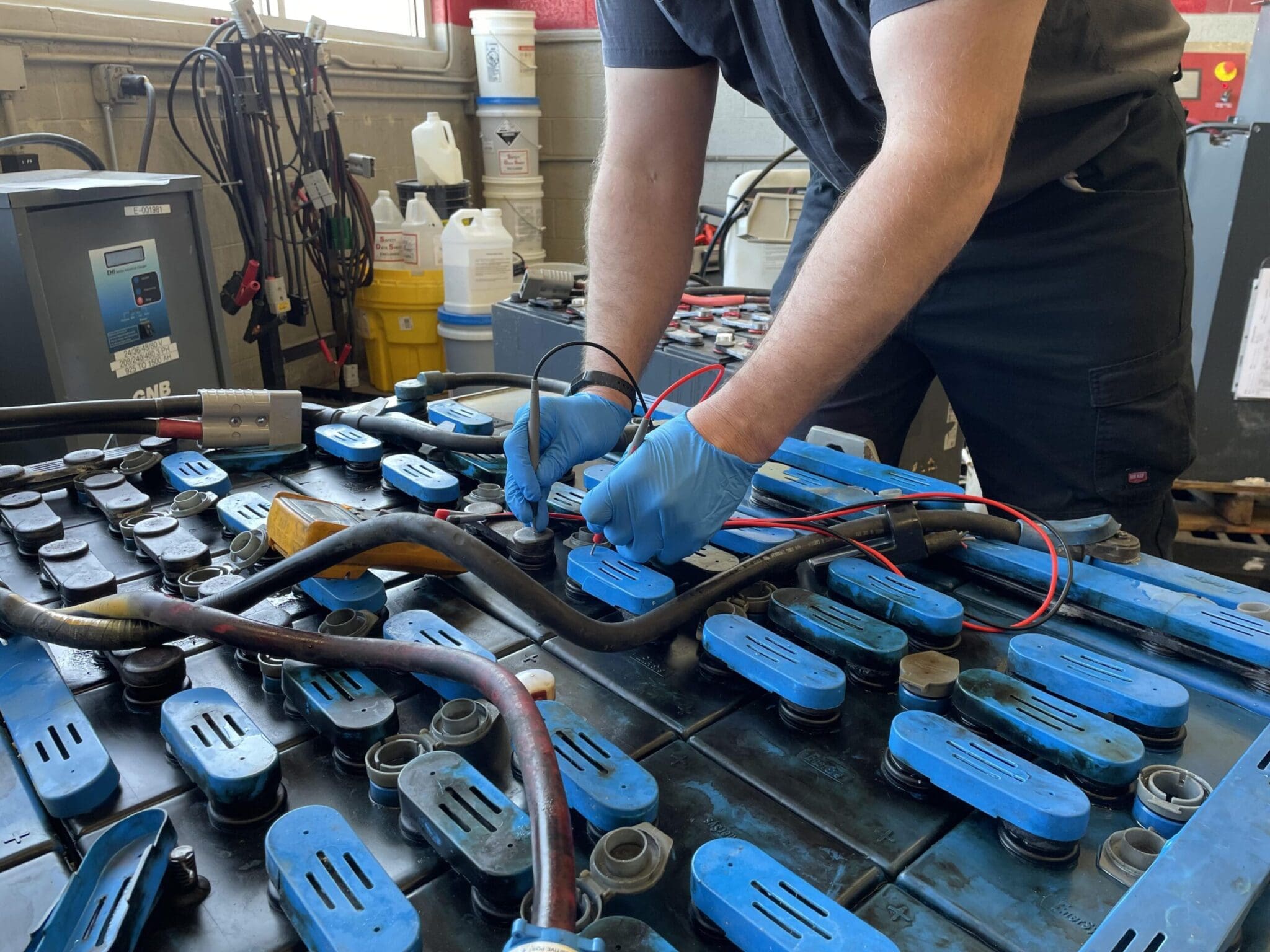
Warehouse Forklift Battery Cleaning
Specialized cleaning for forklift battery stations and warehouse charging areas.
Get Your Free Upholstery Cleaning Quote Today
Contact us now for a customized cleaning plan tailored to your upholstery cleaning needs.
Request Free Quoteservices planning guide
How to plan commercial upholstery cleaning for a commercial facility in Dallas
Dallas Commercial Cleaning Services uses the following planning framework to help property managers and business owners turn a request for commercial cleaning and office maintenance into a scope that can be walked, priced, scheduled, and checked. It is designed for practical comparison and does not replace site-specific safety, material, vendor, or regulatory requirements.
Define the Work Before Pricing It
Change orders are easier to avoid when the initial commercial upholstery cleaning proposal records current conditions. Photographs, floor-type notes, access limitations, and known buildup give both sides a shared baseline for deciding what belongs in startup work and what belongs in recurring maintenance. The strongest commercial upholstery cleaning plan names measurable outcomes rather than relying on broad phrases such as “keep it clean.” Examples include streak-free entry glass, stocked and odor-controlled restrooms, debris-free floor edges, sanitized touchpoints, and completion before a stated opening time. Before pricing commercial upholstery cleaning, document exclusions as carefully as inclusions. Exterior work, high access, consumable supplies, waste handling, specialty floor restoration, equipment interiors, and event cleanup can be scheduled correctly only when responsibility is explicit. A commercial scope should distinguish appearance cleaning from hygiene work and asset maintenance. Dust removal, disinfection, floor finish care, glass restoration, and debris control solve different problems, use different processes, and often belong on different frequencies.
Build the Schedule Around Operations
A dependable plan includes a method for reporting schedule changes. The facility contact should know whom to notify, how much lead time is needed, and how missed or added visits affect the monthly program before an urgent request arises. Scheduling should be built around operating hours and risk, not around the cleaning company’s convenience. Some commercial facility environments need a complete after-hours reset, while others benefit from daytime attention to entrances, restrooms, spills, or high-traffic common areas. Daytime and after-hours service solve different operational problems. Day porter coverage manages visible conditions while people are present; after-hours crews complete disruptive or time-intensive tasks when work areas can be accessed safely and thoroughly. Recurring commercial upholstery cleaning should include planned periodic work instead of waiting for visible deterioration. Rotating detail tasks through monthly or quarterly cycles protects floors, fixtures, glass, vents, edges, and other zones that routine visits cannot address completely.
Make Quality Control Observable
Useful performance conversations separate an isolated miss from a recurring process failure. One unemptied bin requires correction; repeated misses in the same wing may indicate unclear zoning, inadequate time, or a checklist that does not match the building. Before-and-after documentation is especially valuable for one-time or restorative commercial upholstery cleaning. It establishes the starting condition, records the completed result, and helps the facility manager decide whether a recurring maintenance cycle would prevent the same buildup. The account review should examine service requests, inspection findings, occupancy changes, supply use, and upcoming facility events. That review keeps the program aligned with the property instead of allowing an old scope to continue after the building changes. Inspection frequency should reflect the complexity of the account. A small weekly office may need periodic supervisory review, while a high-traffic or regulated environment may require documented checks several times each week.
Match Methods to Materials and Risk
Dwell time and physical removal are central to effective cleaning. A product cannot perform as intended if it is wiped away immediately, and loosened soil still needs to be removed with clean tools rather than redistributed across the surface. Color-coded cloths, pads, and tools can reduce cross-use between restrooms, food areas, workspaces, and public surfaces. The exact system matters less than having a documented method the crew can follow consistently. Surface identification matters because a process that works on one material can damage another. Before commercial upholstery cleaning, confirm flooring, stone, coated metal, glass treatments, upholstery, painted surfaces, and manufacturer restrictions that affect chemistry or agitation. Equipment should be selected for the facility rather than for convenience. HEPA filtration, low-moisture extraction, auto-scrubbing, water-fed poles, pressure equipment, or detail tools may be appropriate depending on access, surface, soil, and reopening time.
Use the Walkthrough to Build the Scope
Bring a current floor plan, operating schedule, and list of known problem areas to the walkthrough. These details help Dallas Commercial Cleaning Services organize commercial upholstery cleaning around actual conditions instead of estimating from square footage and a short phone description. Discuss current service honestly during the walkthrough. What works should be preserved, what fails should be corrected, and any unrealistic expectation should be resolved before it becomes a recurring dispute after startup. The walkthrough should follow the facility’s traffic pattern from entrances through work areas, restrooms, support rooms, and exits. This reveals where soil enters, where it concentrates, and which tasks must be completed in a particular order. Access and safety constraints should be demonstrated, not merely mentioned. Alarm panels, loading doors, restricted areas, waste points, water access, electrical access, and equipment storage can change the labor plan materially.
Put the Service Agreement in Writing
Cancellation, renewal, and notice terms deserve the same attention as the cleaning checklist. A facility manager comparing proposals should understand the initial term, renewal method, price-review process, and the notice required to change or end service. A commercial cleaning agreement should attach or reproduce the approved scope, frequency, service window, periodic task calendar, supply responsibilities, access rules, and communication contacts. The written detail protects both the property and the service team. A structured startup period gives both sides a chance to refine the scope. Early inspections and a scheduled review after the first few visits can resolve workload assumptions before they become embedded in a long-term program. Service-level expectations should be realistic and observable. A promise of “perfect cleaning” is less useful than response times, inspection routines, named completion outcomes, and an escalation process for repeated deficiencies.
Plan for Dallas Facility Conditions
Heat and air-conditioning runtime can increase dust movement through vents, ledges, high surfaces, and return-air zones. Periodic detail work should be scheduled before accumulation becomes visible or begins cycling back into occupied areas. Properties across Dallas–Fort Worth vary widely in access, occupancy, and operating schedule. A downtown office, suburban medical suite, industrial building, retail center, and hospitality property should not receive the same labor plan simply because their square footage is similar. Fast regional growth creates frequent move-ins, renovations, tenant turnovers, and occupancy changes. The cleaning scope should be reviewed when a property changes use instead of assuming the previous tenant’s schedule remains appropriate. Storm seasons can create short-notice needs around entrances, exterior glass, tracked moisture, construction material, and debris. A recurring account should know how to request work outside the normal scope and whether priority response is available.
Compare Providers on More Than Price
The final decision should align service frequency with the facility’s real use. Buying fewer visits than the property needs creates visible decline; buying unnecessary frequency wastes budget that could be directed to periodic or high-priority work. Ask each provider to explain staffing assumptions, visit length, supervision, equipment, and the process for covering absences. The answer reveals whether the proposal is an operating plan or simply a price attached to a task list. Review the proposal for vague language. Terms such as “as needed,” “regularly,” and “periodically” should be converted into frequencies, triggers, or approval rules before the agreement is signed. A pilot or structured startup can be useful when the facility is complex or the current condition is uncertain. Define what will be evaluated, how long the evaluation lasts, and what information determines the permanent scope.
Start, Measure, and Adjust the Program
A stable program still needs review after renovations, staffing growth, seasonal traffic, operating-hour changes, or new equipment. Each change can alter soil load, access, or the time available for commercial upholstery cleaning. Crew orientation should cover the approved scope, building access, material cautions, waste handling, supply storage, security, and the communication path for exceptions. Written information is more dependable than verbal instructions passed between shifts. The first visit should not be treated as an ordinary maintenance visit when buildup already exists. Startup cleaning establishes a maintainable baseline and gives the crew a realistic view of the time required for future service. Periodic tasks should be placed on a calendar at startup. Floor work, carpet extraction, glass detailing, vent cleaning, high dusting, pressure cleaning, and other rotating services are easier to budget when dates are planned.
Bring to the walkthrough
- Approximate square footage, floor plan, and operating hours
- Current frequency, known complaints, and priority areas
- Flooring and surface notes, restricted rooms, and access rules
- Desired start date, budget constraints, and approval contacts
Expect in a written proposal
- Task scope by zone and visit frequency
- Service windows, periodic work, and supply responsibility
- Quality checks, communication, and correction procedures
- Pricing assumptions, exclusions, and change-order rules