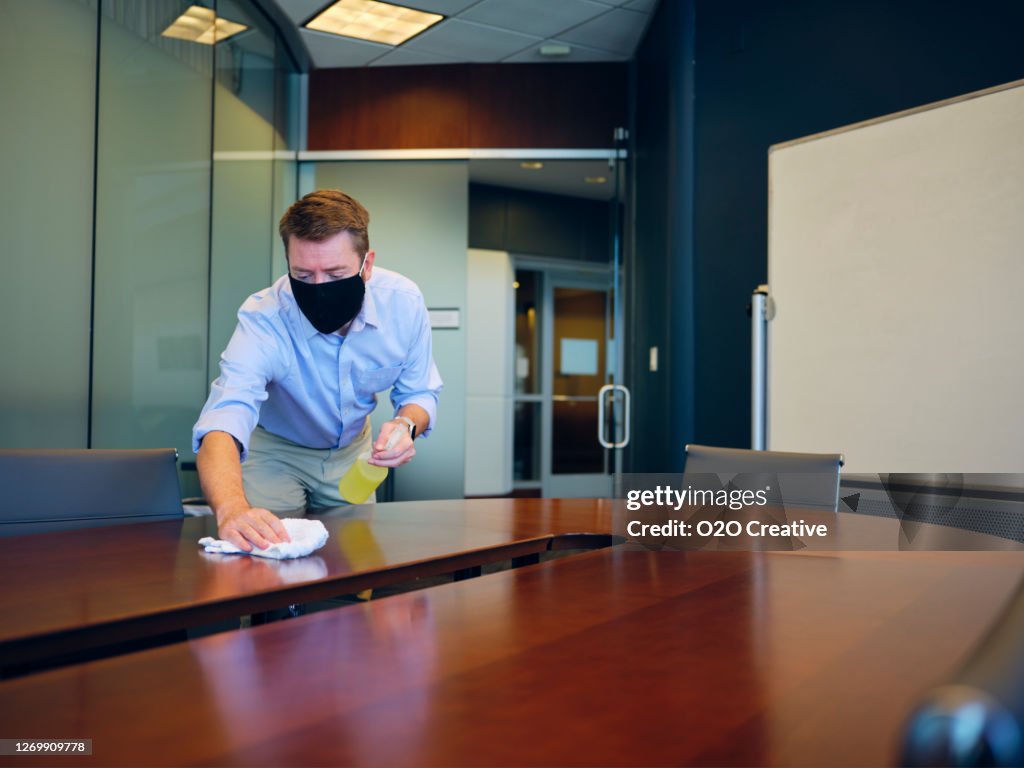
Conference Room Sanitization in Dallas
Specialized cleaning and sanitization services for meeting rooms, boardrooms, and conference facilities. We ensure presentation-ready spaces by thoroughly cleaning tables, chairs, technology equipment, and presentation areas between meetings.
Professional Conference Room Cleaning Services in Dallas
Conference room sanitization is a specialized service that addresses the unique cleaning challenges of meeting spaces where important business decisions happen and client impressions are formed. Unlike standard office cleaning, conference room sanitization focuses on high-touch surfaces, technology equipment, and the detailed presentation standards expected in executive environments.
Professional conference room cleaning combines disinfection protocols with attention to appearance details that support professional presentations. For Dallas businesses where conference rooms host clients, partners, and executive teams, regular sanitization is essential for health protection, professional image maintenance, and creating environments conducive to productive meetings.
Benefits of Our Conference Room Cleaning Service
Enhanced Professional Image
Immaculate conference rooms demonstrate organizational excellence and attention to detail, reinforcing confidence in your business during critical client and partner meetings.
Health Protection
Meeting spaces concentrate people in enclosed areas, increasing germ transmission risk. Thorough sanitization reduces bacteria and viruses that spread among meeting participants.
Technology Preservation
Proper cleaning of AV equipment, phones, and presentation systems removes dust and debris that can damage sensitive electronics and interfere with performance.
Allergen Reduction
Deep cleaning removes dust, pollen, and particulates that accumulate in upholstery and surfaces, creating more comfortable environments for all participants.
Meeting Productivity
Clean, fresh-smelling environments free from distractions allow participants to focus on business matters rather than discomfort or concerns about hygiene.
Our Process
Room Assessment & Setup
We evaluate room size, technology configuration, meeting schedule, and specific requirements to plan efficient sanitization that respects your meeting calendar.
High Dusting & Detail
Ceiling fixtures, vents, crown molding, and high surfaces are dusted to remove particulates that affect air quality and settle onto meeting surfaces.
Surface Sanitization
All hard surfaces including tables, chairs, credenzas, and window sills are cleaned and disinfected using products effective against pathogens but safe for finishes.
Technology Cleaning
AV equipment, phones, remote controls, and electronic devices are carefully sanitized using electronics-safe methods that remove germs without moisture damage.
Upholstery Care
Conference chairs and any upholstered surfaces receive vacuuming and spot treatment to remove allergens, dust, and refresh appearance.
Presentation Surface Treatment
Whiteboards are thoroughly cleaned to remove ghosting and residue. Screens are dusted and cleaned for optimal visibility. Glass surfaces are polished.
Touchpoint Disinfection
Door handles, light switches, thermostat controls, and other high-touch points receive targeted disinfection with proper dwell time for effectiveness.
Floor Care & Final Inspection
Floors are vacuumed or cleaned as appropriate. Final quality inspection ensures the room meets presentation standards and is ready for your next important meeting.
What's Included
- Conference table disinfection and polishing
- Chair cleaning and sanitization
- Whiteboard and presentation area cleaning
- AV equipment dusting and sanitizing
- Refreshment area cleaning
- Phone and remote control disinfection
Frequently Asked Questions About Conference Room Cleaning
How often should conference rooms be sanitized?
High-use conference rooms should be sanitized daily, with deep sanitization weekly. Executive boardrooms and client-facing spaces benefit from sanitization before each important meeting. We offer flexible scheduling to meet your meeting calendar.
Can you sanitize before important client meetings?
Absolutely. We provide on-demand sanitization services scheduled before critical presentations, board meetings, or client visits to ensure your conference rooms make the best possible impression.
Will sanitizing damage our conference table or furniture?
We use cleaning products and methods specifically selected for commercial furniture finishes. Our technicians are trained to protect wood, glass, laminate, and other common conference room materials while achieving thorough sanitization.
Do you clean AV equipment and screens?
Yes. We carefully clean video conferencing equipment, displays, projectors, and control systems using electronics-safe products that remove dust and germs without risking damage to sensitive components.
Can you work around our meeting schedule?
We specialize in flexible scheduling that respects your meeting calendar. Services can be performed early morning, between meetings, after hours, or on weekends to ensure rooms are always ready when needed.
What's included in a conference room sanitization?
Service includes all surface disinfection, high-touch point treatment, upholstery care, technology cleaning, whiteboard restoration, floor care, and air quality improvements through dust removal. Custom packages available for specific needs.
Is this different from regular janitorial service?
Yes. While janitorial service handles trash and basic surface wiping, professional sanitization provides thorough disinfection, technology care, allergen removal, and attention to presentation details that standard cleaning doesn't address.
Related Services in Dallas
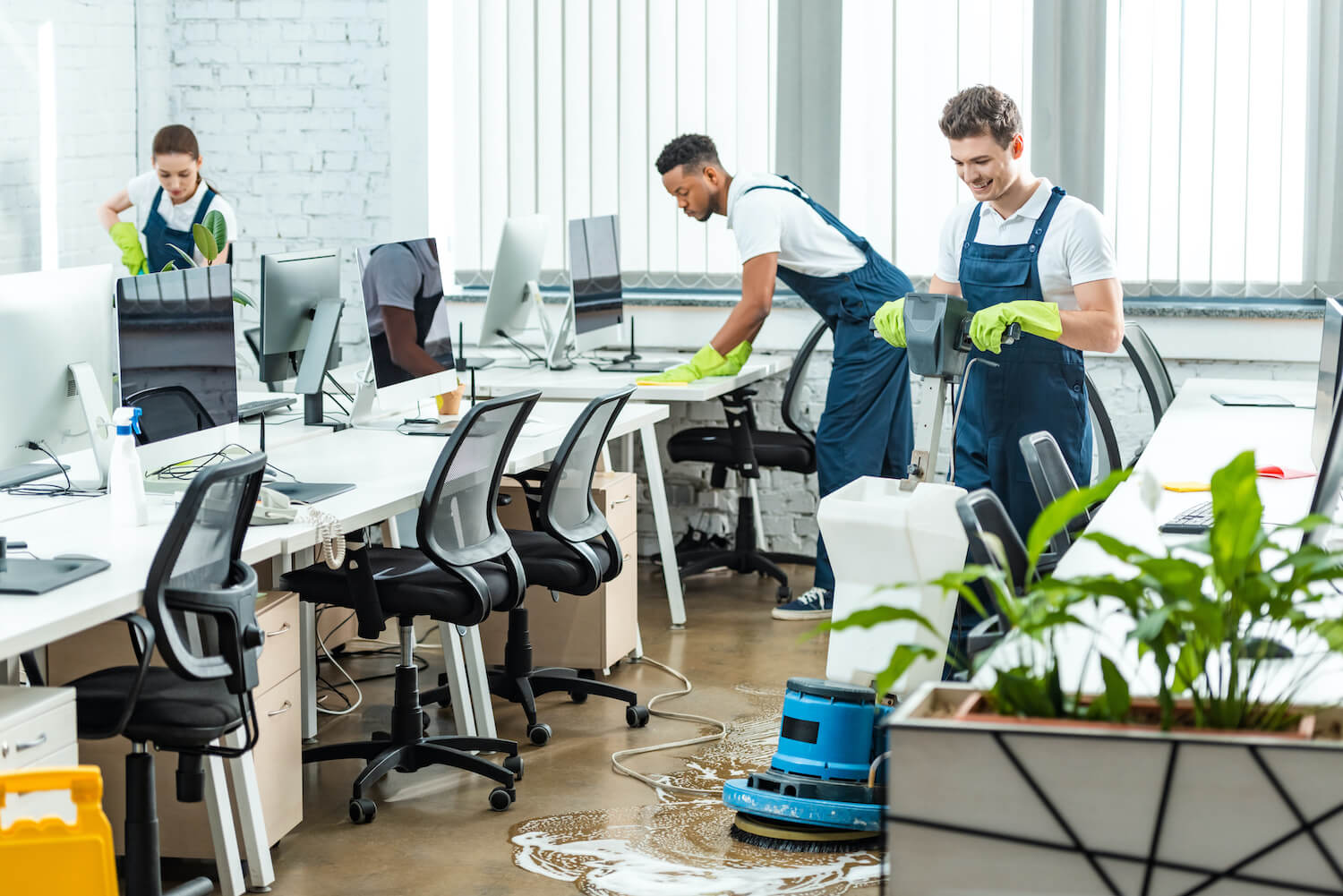
Office Disinfection Services
Hospital-grade disinfection for offices targeting high-touch surfaces and common areas.
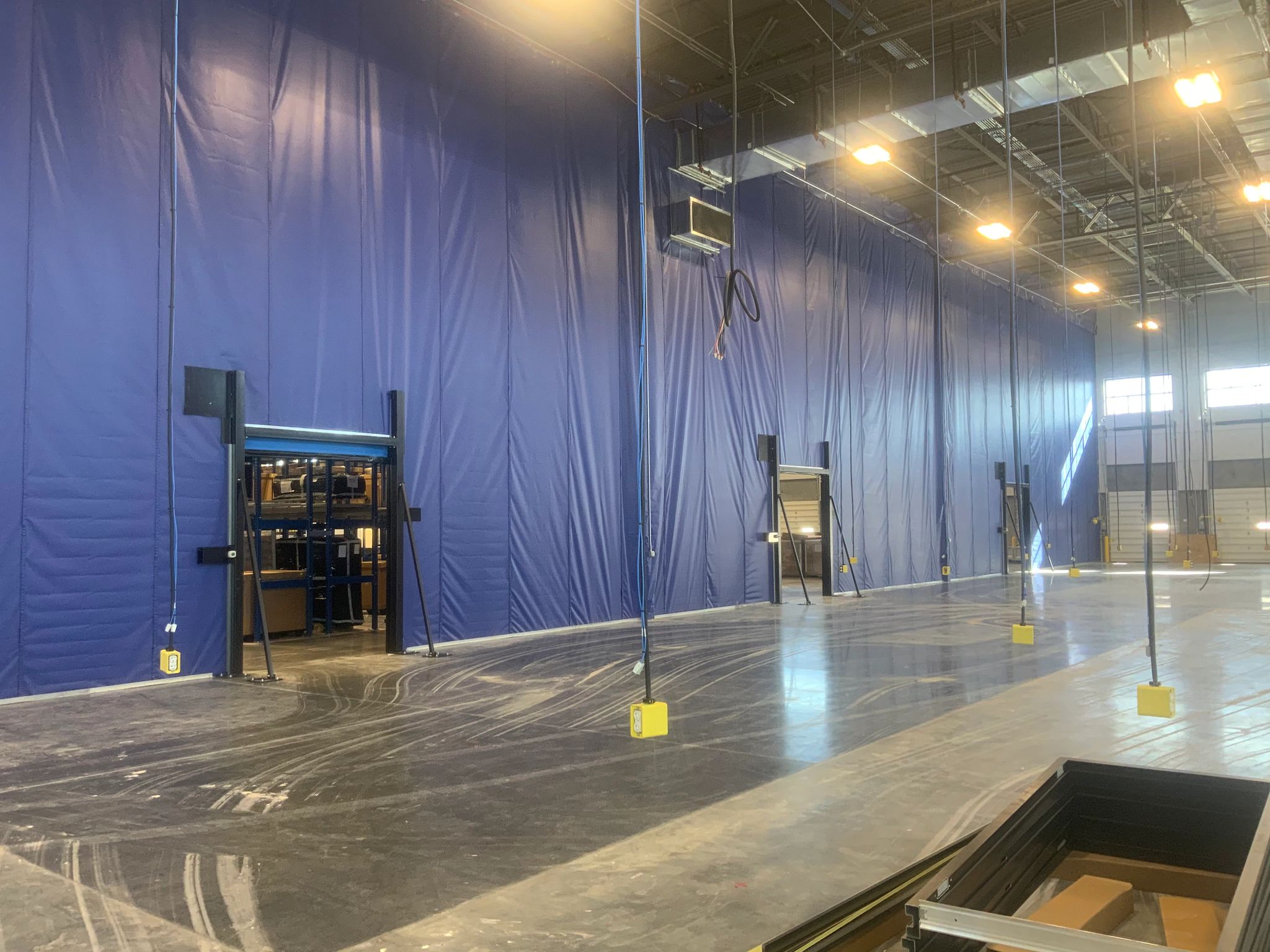
Warehouse Dust Abatement
Industrial dust removal for warehouses, distribution centers, and storage facilities.
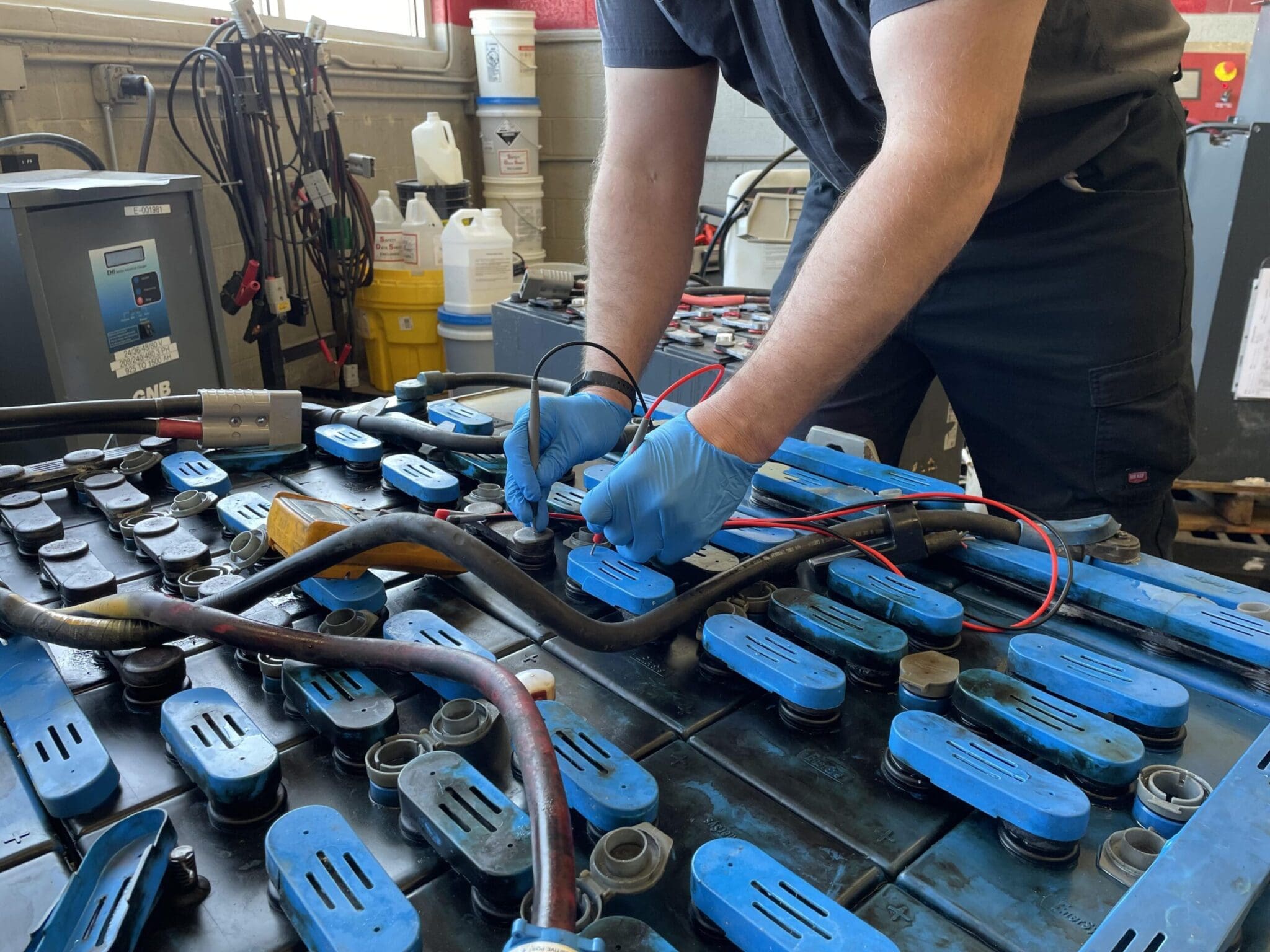
Warehouse Forklift Battery Cleaning
Specialized cleaning for forklift battery stations and warehouse charging areas.
Get Your Free Conference Room Cleaning Quote Today
Contact us now for a customized cleaning plan tailored to your conference room cleaning needs.
Request Free Quoteservices planning guide
How to plan conference room sanitization for a commercial facility in Dallas
Dallas Commercial Cleaning Services uses the following planning framework to help property managers and business owners turn a request for commercial cleaning and office maintenance into a scope that can be walked, priced, scheduled, and checked. It is designed for practical comparison and does not replace site-specific safety, material, vendor, or regulatory requirements.
Define the Work Before Pricing It
The strongest conference room sanitization plan names measurable outcomes rather than relying on broad phrases such as “keep it clean.” Examples include streak-free entry glass, stocked and odor-controlled restrooms, debris-free floor edges, sanitized touchpoints, and completion before a stated opening time. Square footage alone does not define the effort required for conference room sanitization. Occupancy, floor materials, restroom count, food or production activity, security procedures, furniture density, and the time available between closing and reopening all affect labor and equipment planning. Before pricing conference room sanitization, document exclusions as carefully as inclusions. Exterior work, high access, consumable supplies, waste handling, specialty floor restoration, equipment interiors, and event cleanup can be scheduled correctly only when responsibility is explicit. A commercial scope should distinguish appearance cleaning from hygiene work and asset maintenance. Dust removal, disinfection, floor finish care, glass restoration, and debris control solve different problems, use different processes, and often belong on different frequencies.
Build the Schedule Around Operations
Recurring conference room sanitization should include planned periodic work instead of waiting for visible deterioration. Rotating detail tasks through monthly or quarterly cycles protects floors, fixtures, glass, vents, edges, and other zones that routine visits cannot address completely. A nightly, daily, weekly, or project schedule changes more than visit frequency. It changes how much soil accumulates between visits, which tools are appropriate, how long each visit takes, and whether periodic deep work must be layered into the agreement. For Dallas–Fort Worth properties, travel windows and building access can materially affect the usable service period. A realistic schedule accounts for security handoffs and operating deadlines rather than promising a start time that leaves too little time to finish. Facilities with irregular occupancy should use a flexible service calendar. Seasonal traffic, events, construction phases, tenant move-ins, inventory cycles, and weather can all create temporary cleaning demand that a rigid schedule will miss.
Make Quality Control Observable
A quality program should explain how corrections are handled. The facility contact needs a clear response path, a reasonable correction window, and confirmation when the issue is closed rather than a vague assurance that someone will look into it. A single complaint channel prevents service issues from disappearing between building occupants, property management, and the cleaning crew. Requests should be logged with the location, task, urgency, and desired completion time so the response can be verified. Consistent crew assignments improve conference room sanitization because the team learns access routines, material sensitivities, recurring problem areas, and the expectations of the facility contact. Coverage plans are still necessary for absences so consistency does not depend on one individual. Before-and-after documentation is especially valuable for one-time or restorative conference room sanitization. It establishes the starting condition, records the completed result, and helps the facility manager decide whether a recurring maintenance cycle would prevent the same buildup.
Match Methods to Materials and Risk
Product selection should match the task and the occupied environment. Cleaning, degreasing, disinfecting, descaling, and finishing are different functions; using one product for every surface can leave residue, reduce effectiveness, or shorten asset life. For sensitive or newly installed materials, a small test area can prevent expensive mistakes. The service plan should identify who approves the test result before broader cleaning or restoration proceeds. Equipment should be selected for the facility rather than for convenience. HEPA filtration, low-moisture extraction, auto-scrubbing, water-fed poles, pressure equipment, or detail tools may be appropriate depending on access, surface, soil, and reopening time. Consumable supplies deserve their own responsibility list. Soap, paper products, liners, dispensers, batteries, air fresheners, and specialty items may be client supplied, contractor supplied, or billed separately, but the agreement should not leave that question open.
Use the Walkthrough to Build the Scope
Discuss current service honestly during the walkthrough. What works should be preserved, what fails should be corrected, and any unrealistic expectation should be resolved before it becomes a recurring dispute after startup. A useful walkthrough ends with next steps: who will receive the written scope, who can approve revisions, whether a second technical visit is required, and what information is still needed before pricing is final. Access and safety constraints should be demonstrated, not merely mentioned. Alarm panels, loading doors, restricted areas, waste points, water access, electrical access, and equipment storage can change the labor plan materially. Bring a current floor plan, operating schedule, and list of known problem areas to the walkthrough. These details help Dallas Commercial Cleaning Services organize conference room sanitization around actual conditions instead of estimating from square footage and a short phone description.
Put the Service Agreement in Writing
A commercial cleaning agreement should attach or reproduce the approved scope, frequency, service window, periodic task calendar, supply responsibilities, access rules, and communication contacts. The written detail protects both the property and the service team. Service-level expectations should be realistic and observable. A promise of “perfect cleaning” is less useful than response times, inspection routines, named completion outcomes, and an escalation process for repeated deficiencies. The agreement should explain how additional work is approved. Emergency cleanup, event service, construction dust, floor restoration, and extra porter coverage should not be performed or billed through an informal request that no one can later verify. Insurance and vendor-document requirements should be confirmed during proposal review rather than after award. If the property requires a certificate, additional insured wording, vendor portal registration, or special access documentation, those steps can affect the startup date.
Plan for Dallas Facility Conditions
Dallas facilities contend with long cooling seasons, tracked-in dust, pollen, severe-weather debris, and rapid development activity. Those conditions can influence entry cleaning, high dusting, floor care, glass maintenance, and the timing of periodic deep work. Storm seasons can create short-notice needs around entrances, exterior glass, tracked moisture, construction material, and debris. A recurring account should know how to request work outside the normal scope and whether priority response is available. DFW traffic makes realistic arrival windows important, especially when a crew must meet security or elevator access at a fixed time. The plan should protect enough on-site time to complete the work rather than compressing the scope after a delayed handoff. Heat and air-conditioning runtime can increase dust movement through vents, ledges, high surfaces, and return-air zones. Periodic detail work should be scheduled before accumulation becomes visible or begins cycling back into occupied areas.
Compare Providers on More Than Price
Evaluate communication alongside cleaning technique. A facility manager needs timely updates, a named account contact, documented service requests, and a reliable process for resolving issues without repeatedly explaining the account. References are most useful when the compared account resembles the property in size, use, and schedule. A successful small office account does not by itself demonstrate the systems needed for a large, high-traffic, or specialized facility. A pilot or structured startup can be useful when the facility is complex or the current condition is uncertain. Define what will be evaluated, how long the evaluation lasts, and what information determines the permanent scope. When comparing conference room sanitization proposals, normalize the scope before comparing price. A lower monthly number may exclude periodic work, supplies, supervision, floor care, or enough labor to complete the stated checklist.
Start, Measure, and Adjust the Program
After the first service cycle, compare actual labor and facility condition with the proposal assumptions. If the original scope was inaccurate, adjust it openly rather than expecting quality to survive an unrealistic workload. Periodic tasks should be placed on a calendar at startup. Floor work, carpet extraction, glass detailing, vent cleaning, high dusting, pressure cleaning, and other rotating services are easier to budget when dates are planned. A stable program still needs review after renovations, staffing growth, seasonal traffic, operating-hour changes, or new equipment. Each change can alter soil load, access, or the time available for conference room sanitization. Crew orientation should cover the approved scope, building access, material cautions, waste handling, supply storage, security, and the communication path for exceptions. Written information is more dependable than verbal instructions passed between shifts.
Bring to the walkthrough
- Approximate square footage, floor plan, and operating hours
- Current frequency, known complaints, and priority areas
- Flooring and surface notes, restricted rooms, and access rules
- Desired start date, budget constraints, and approval contacts
Expect in a written proposal
- Task scope by zone and visit frequency
- Service windows, periodic work, and supply responsibility
- Quality checks, communication, and correction procedures
- Pricing assumptions, exclusions, and change-order rules