Exterior Building Pressure Wash in Dallas
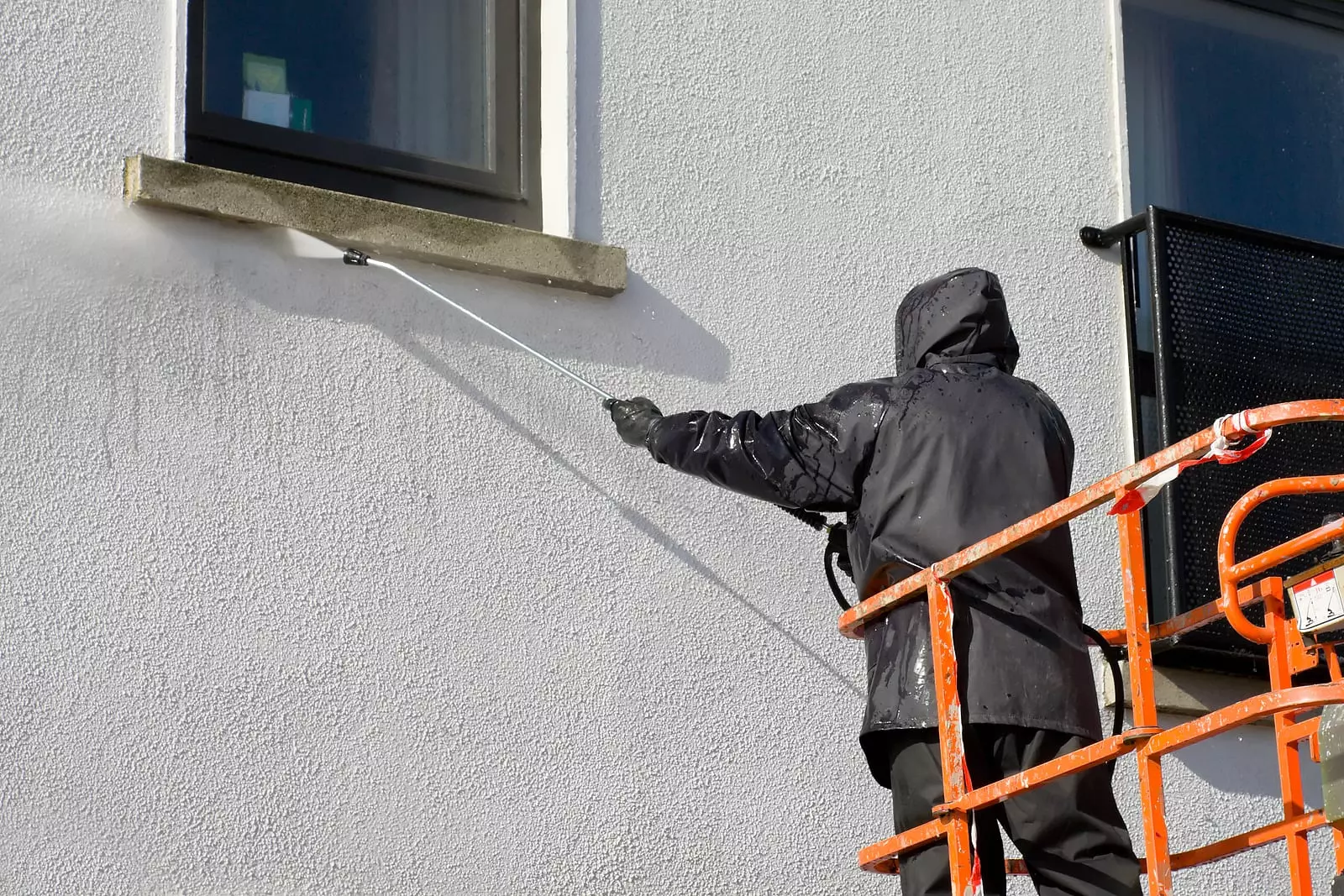
Professional pressure washing services for building exteriors, sidewalks, parking lots, and outdoor areas. We remove dirt, mold, mildew, and stains to restore your property's appearance and prevent long-term surface damage.
Professional Pressure Washing Services in Dallas
Exterior building pressure washing is a specialized cleaning service that removes environmental contaminants, organic growth, and accumulated grime from commercial building surfaces, hardscapes, and outdoor areas. Unlike routine grounds maintenance, professional pressure washing uses controlled water pressure and specialized cleaning solutions to restore surfaces without causing damage.
Professional exterior cleaning addresses the unique challenges of Dallas's climate, including dust, pollen, mold, mildew, and pollution that accumulate on building exteriors. For commercial properties, regular pressure washing is essential for maintaining property values, extending the life of exterior finishes, ensuring safety, and creating positive impressions with customers, tenants, and visitors.
Benefits of Our Pressure Washing Service
Enhanced Curb Appeal
Clean building exteriors create positive first impressions that attract customers, retain tenants, and increase property values. A well-maintained exterior signals business pride and professionalism.
Preventative Maintenance
Regular washing removes contaminants that degrade building materials over time. Mold, mildew, and pollution can permanently stain or damage surfaces if left untreated.
Improved Safety
Slippery algae, mold, and grease on walkways create liability hazards. Pressure washing restores safe traction on sidewalks, entryways, and parking areas.
Healthier Environment
Removing mold, mildew, and pollen from building exteriors reduces allergens around entrances and improves air quality for building occupants.
Preparation for Maintenance
Clean surfaces are essential before painting, sealing, or repairs. Pressure washing ensures proper adhesion and reveals any underlying issues needing attention.
Our Process
Property Assessment
We evaluate building materials, soil types, contamination levels, drainage, and surrounding landscape to develop a safe, effective cleaning plan.
Site Preparation
Landscaping is protected, windows and doors are secured, electrical outlets are covered, and adjacent areas are prepared to prevent water intrusion or damage.
Pre-Treatment Application
Specialized cleaning solutions are applied to break down organic growth, loosen dirt, and treat oil or rust stains before pressure washing begins.
Controlled Pressure Washing
Appropriate pressure levels and techniques are used for each surface type—soft washing for delicate materials, higher pressure for durable concrete.
Detail Cleaning
Corners, architectural details, and hard-to-reach areas receive detailed attention to ensure complete cleaning without missing spots.
Spot Treatment
Stubborn stains receive additional treatment and attention to maximize removal without damaging underlying surfaces.
Rinse & Neutralize
All cleaning agents are thoroughly rinsed away, with neutralizing treatments as needed for sensitive surfaces or landscaping protection.
Final Inspection & Cleanup
Quality control ensures complete satisfaction, and all protective materials are removed, leaving the property clean and restored.
What's Included
- Building facade pressure washing
- Sidewalk and entryway cleaning
- Parking lot and garage washing
- Loading dock area cleaning
- Dumpster pad degreasing
- Soft wash options for delicate surfaces
Frequently Asked Questions About Pressure Washing
How often should commercial buildings be pressure washed?
Most commercial properties benefit from annual pressure washing. Buildings near busy roads, under trees, or in humid climates may need service twice yearly. High-traffic areas like entries and walkways often need more frequent attention.
Will pressure washing damage my building?
Professional pressure washing uses appropriate pressure, techniques, and cleaning solutions for each surface type. Soft washing methods protect delicate materials. Improper DIY pressure washing causes damage—that's why professional service matters.
Can you remove oil stains from parking lots?
Yes. Oil and grease stains can be significantly reduced or eliminated using hot water pressure washing and specialized degreasing treatments. Very old, set-in stains may lighten but not completely disappear.
Do you work around business hours?
Absolutely. We schedule pressure washing during off-hours, weekends, or overnight to minimize disruption to your operations and avoid interfering with customer traffic.
Is pressure washing environmentally safe?
We use eco-friendly, biodegradable cleaning solutions and employ water containment and recovery when required by regulations. Our methods protect landscaping and prevent runoff issues.
Can you clean multi-story buildings?
Yes. We have equipment including telescoping poles and lift capabilities to clean exteriors up to several stories. For high-rise buildings, we coordinate with our high-rise division using appropriate access equipment.
Will pressure washing help with mold and mildew?
Yes. Professional washing removes mold, mildew, and algae from building exteriors. We apply treatments that inhibit regrowth, keeping surfaces cleaner longer than washing alone.
Related Services in Dallas

Office Disinfection Services
Hospital-grade disinfection for offices targeting high-touch surfaces and common areas.
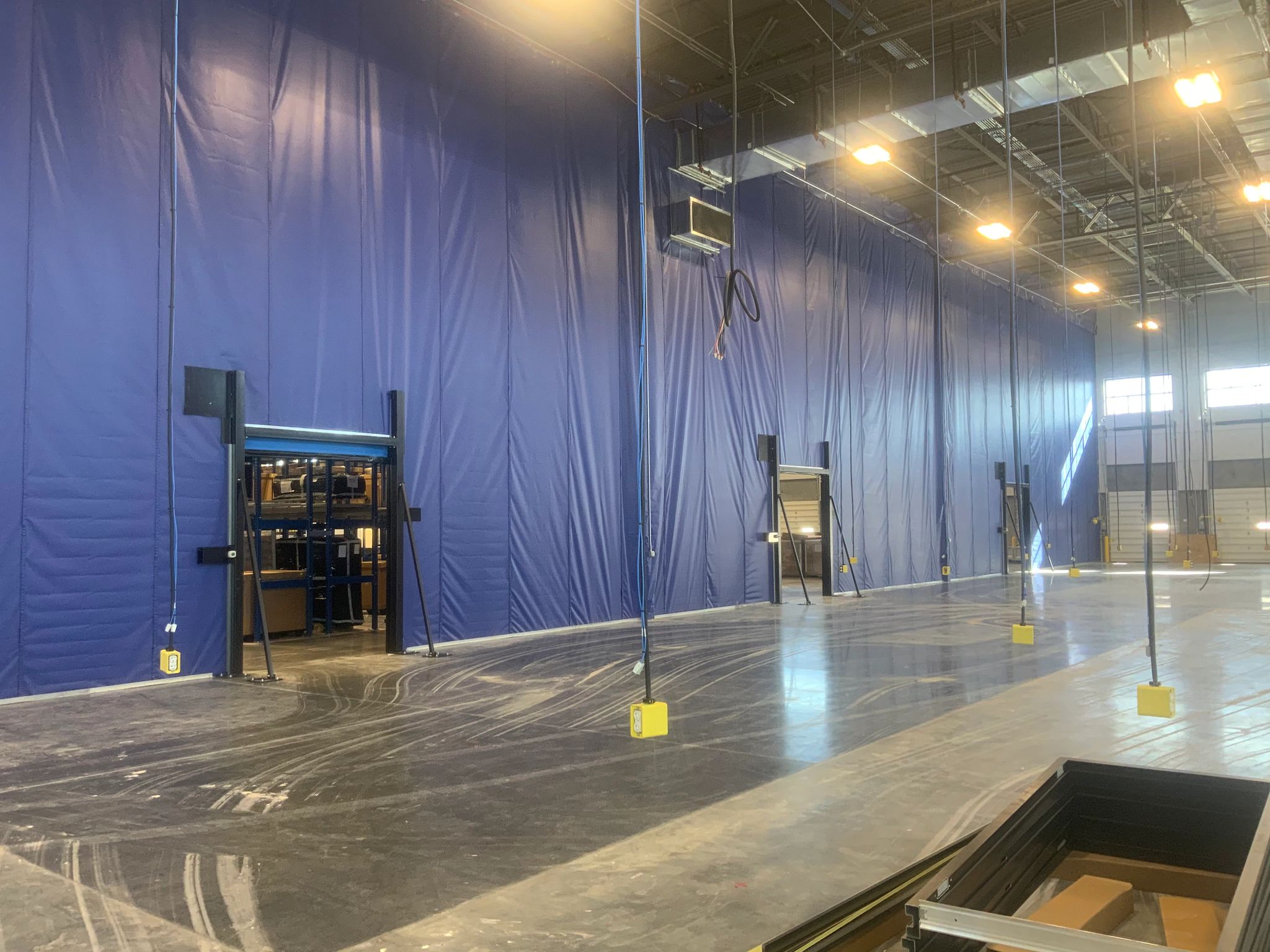
Warehouse Dust Abatement
Industrial dust removal for warehouses, distribution centers, and storage facilities.
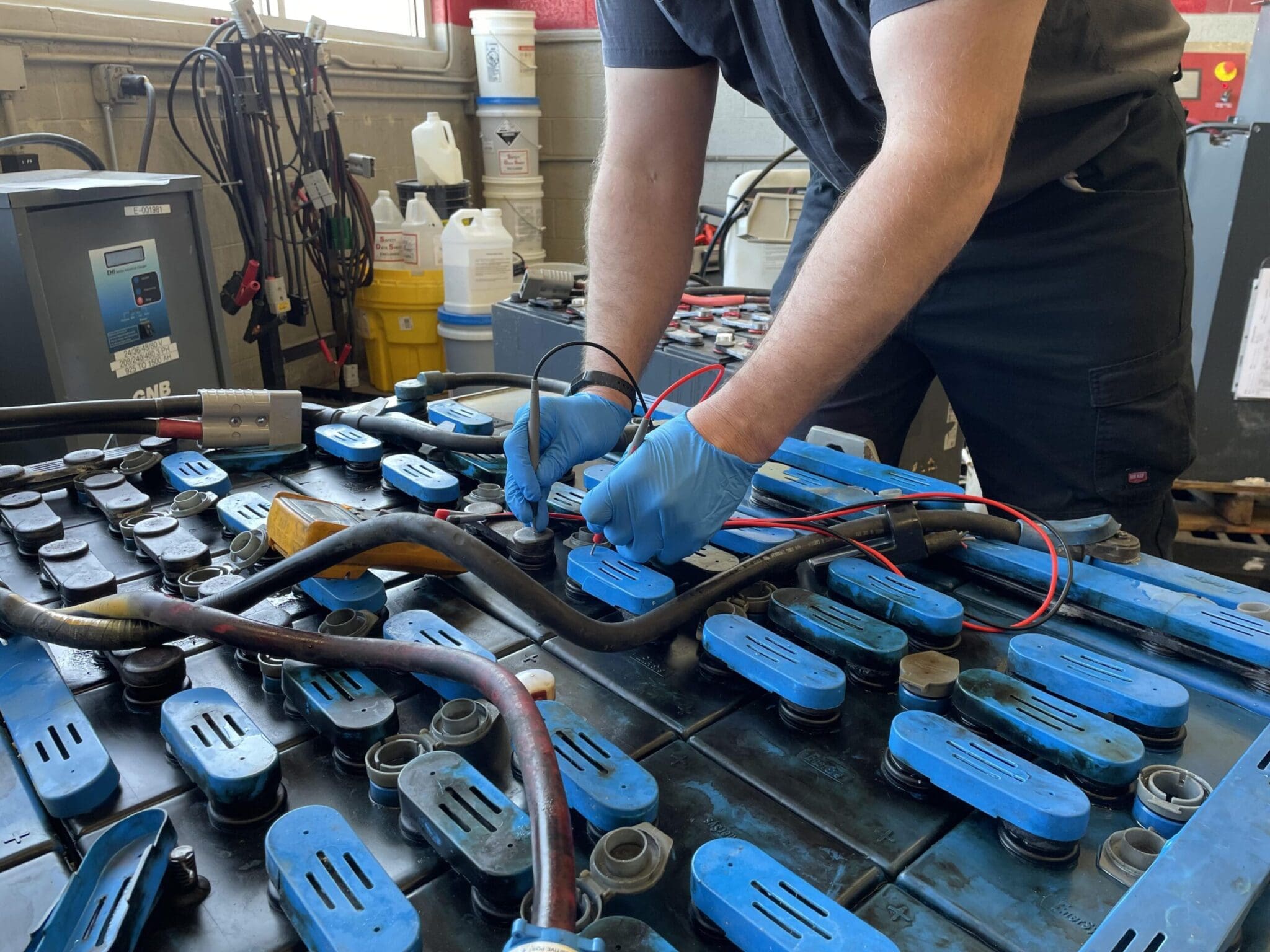
Warehouse Forklift Battery Cleaning
Specialized cleaning for forklift battery stations and warehouse charging areas.
Get Your Free Pressure Washing Quote Today
Contact us now for a customized cleaning plan tailored to your pressure washing needs.
Request Free Quoteservices planning guide
How to plan exterior building pressure wash for a commercial facility in Dallas
Dallas Commercial Cleaning Services uses the following planning framework to help property managers and business owners turn a request for commercial cleaning and office maintenance into a scope that can be walked, priced, scheduled, and checked. It is designed for practical comparison and does not replace site-specific safety, material, vendor, or regulatory requirements.
Define the Work Before Pricing It
Change orders are easier to avoid when the initial exterior building pressure wash proposal records current conditions. Photographs, floor-type notes, access limitations, and known buildup give both sides a shared baseline for deciding what belongs in startup work and what belongs in recurring maintenance. The strongest exterior building pressure wash plan names measurable outcomes rather than relying on broad phrases such as “keep it clean.” Examples include streak-free entry glass, stocked and odor-controlled restrooms, debris-free floor edges, sanitized touchpoints, and completion before a stated opening time. Exterior Building Pressure Wash should begin with a written definition of the rooms, surfaces, fixtures, equipment boundaries, and access conditions included in the work. A useful scope separates routine tasks from periodic restoration so the facility manager can see what happens on every visit and what occurs only on a planned cycle. For multi-tenant or mixed-use properties, exterior building pressure wash should be divided by responsibility zone. Common areas, tenant suites, back-of-house spaces, loading areas, public restrooms, and restricted rooms can then receive schedules and approval rules that match their actual use.
Build the Schedule Around Operations
A dependable plan includes a method for reporting schedule changes. The facility contact should know whom to notify, how much lead time is needed, and how missed or added visits affect the monthly program before an urgent request arises. Recurring exterior building pressure wash should include planned periodic work instead of waiting for visible deterioration. Rotating detail tasks through monthly or quarterly cycles protects floors, fixtures, glass, vents, edges, and other zones that routine visits cannot address completely. Facilities with irregular occupancy should use a flexible service calendar. Seasonal traffic, events, construction phases, tenant move-ins, inventory cycles, and weather can all create temporary cleaning demand that a rigid schedule will miss. Access planning is part of service planning. Keys, badges, alarm procedures, loading access, elevator reservations, escort rules, and locked-room approvals should be confirmed before the first exterior building pressure wash visit so the crew can complete the full scope without improvising.
Make Quality Control Observable
Useful performance conversations separate an isolated miss from a recurring process failure. One unemptied bin requires correction; repeated misses in the same wing may indicate unclear zoning, inadequate time, or a checklist that does not match the building. A quality program should explain how corrections are handled. The facility contact needs a clear response path, a reasonable correction window, and confirmation when the issue is closed rather than a vague assurance that someone will look into it. The account review should examine service requests, inspection findings, occupancy changes, supply use, and upcoming facility events. That review keeps the program aligned with the property instead of allowing an old scope to continue after the building changes. Before-and-after documentation is especially valuable for one-time or restorative exterior building pressure wash. It establishes the starting condition, records the completed result, and helps the facility manager decide whether a recurring maintenance cycle would prevent the same buildup.
Match Methods to Materials and Risk
Dwell time and physical removal are central to effective cleaning. A product cannot perform as intended if it is wiped away immediately, and loosened soil still needs to be removed with clean tools rather than redistributed across the surface. Surface identification matters because a process that works on one material can damage another. Before exterior building pressure wash, confirm flooring, stone, coated metal, glass treatments, upholstery, painted surfaces, and manufacturer restrictions that affect chemistry or agitation. Color-coded cloths, pads, and tools can reduce cross-use between restrooms, food areas, workspaces, and public surfaces. The exact system matters less than having a documented method the crew can follow consistently. A material-safety discussion should include storage and labeling. Facility contacts should know where products and equipment will be kept, which rooms remain accessible to occupants, and how spills or damaged containers are reported.
Use the Walkthrough to Build the Scope
Bring a current floor plan, operating schedule, and list of known problem areas to the walkthrough. These details help Dallas Commercial Cleaning Services organize exterior building pressure wash around actual conditions instead of estimating from square footage and a short phone description. Discuss current service honestly during the walkthrough. What works should be preserved, what fails should be corrected, and any unrealistic expectation should be resolved before it becomes a recurring dispute after startup. Ask department leads or regular occupants where cleaning failures are most visible. Facility managers often know the formal complaints, while daily users can identify recurring issues such as neglected corners, supply shortages, or timing conflicts. A useful walkthrough ends with next steps: who will receive the written scope, who can approve revisions, whether a second technical visit is required, and what information is still needed before pricing is final.
Put the Service Agreement in Writing
Cancellation, renewal, and notice terms deserve the same attention as the cleaning checklist. A facility manager comparing proposals should understand the initial term, renewal method, price-review process, and the notice required to change or end service. Insurance and vendor-document requirements should be confirmed during proposal review rather than after award. If the property requires a certificate, additional insured wording, vendor portal registration, or special access documentation, those steps can affect the startup date. A commercial cleaning agreement should attach or reproduce the approved scope, frequency, service window, periodic task calendar, supply responsibilities, access rules, and communication contacts. The written detail protects both the property and the service team. A structured startup period gives both sides a chance to refine the scope. Early inspections and a scheduled review after the first few visits can resolve workload assumptions before they become embedded in a long-term program.
Plan for Dallas Facility Conditions
Heat and air-conditioning runtime can increase dust movement through vents, ledges, high surfaces, and return-air zones. Periodic detail work should be scheduled before accumulation becomes visible or begins cycling back into occupied areas. Fast regional growth creates frequent move-ins, renovations, tenant turnovers, and occupancy changes. The cleaning scope should be reviewed when a property changes use instead of assuming the previous tenant’s schedule remains appropriate. Properties across Dallas–Fort Worth vary widely in access, occupancy, and operating schedule. A downtown office, suburban medical suite, industrial building, retail center, and hospitality property should not receive the same labor plan simply because their square footage is similar. DFW traffic makes realistic arrival windows important, especially when a crew must meet security or elevator access at a fixed time. The plan should protect enough on-site time to complete the work rather than compressing the scope after a delayed handoff.
Compare Providers on More Than Price
The final decision should align service frequency with the facility’s real use. Buying fewer visits than the property needs creates visible decline; buying unnecessary frequency wastes budget that could be directed to periodic or high-priority work. Evaluate communication alongside cleaning technique. A facility manager needs timely updates, a named account contact, documented service requests, and a reliable process for resolving issues without repeatedly explaining the account. References are most useful when the compared account resembles the property in size, use, and schedule. A successful small office account does not by itself demonstrate the systems needed for a large, high-traffic, or specialized facility. When comparing exterior building pressure wash proposals, normalize the scope before comparing price. A lower monthly number may exclude periodic work, supplies, supervision, floor care, or enough labor to complete the stated checklist.
Start, Measure, and Adjust the Program
A stable program still needs review after renovations, staffing growth, seasonal traffic, operating-hour changes, or new equipment. Each change can alter soil load, access, or the time available for exterior building pressure wash. Task sequencing affects results. High dusting should precede lower-surface cleaning, dry soil removal should precede wet work, and areas with restricted reopening times should be completed early enough to dry or ventilate. The crew should record conditions outside the approved scope rather than quietly ignoring them or performing unapproved work. Photos and concise notes allow the facility manager to decide whether a separate service is warranted. Crew orientation should cover the approved scope, building access, material cautions, waste handling, supply storage, security, and the communication path for exceptions. Written information is more dependable than verbal instructions passed between shifts.
Bring to the walkthrough
- Approximate square footage, floor plan, and operating hours
- Current frequency, known complaints, and priority areas
- Flooring and surface notes, restricted rooms, and access rules
- Desired start date, budget constraints, and approval contacts
Expect in a written proposal
- Task scope by zone and visit frequency
- Service windows, periodic work, and supply responsibility
- Quality checks, communication, and correction procedures
- Pricing assumptions, exclusions, and change-order rules