
High-Rise Window Cleaning Services in Dallas
Professional high-rise window cleaning for commercial buildings, hotels, and office towers. Our certified technicians use safe, OSHA-compliant methods including rope access and aerial platforms to deliver streak-free results at any height.
Professional High-Rise Windows Services in Dallas
High-rise window cleaning is a specialized service that addresses the unique challenges of maintaining exterior glass on buildings beyond the reach of conventional cleaning methods. This highly technical service combines rope access techniques, aerial lift operations, and water-fed pole systems to safely clean windows on multi-story commercial structures.
Professional high-rise window cleaning requires IRATA or SPRAT certified technicians, rigorous safety protocols, and specialized equipment designed for working at height. For Dallas's growing skyline of office towers, hotels, and residential high-rises, regular professional window cleaning is essential for maintaining property values, tenant satisfaction, energy efficiency, and the architectural beauty that defines the city's commercial districts.
Benefits of Our High-Rise Windows Service
Unobstructed Views
Crystal-clear windows maximize natural light and provide the panoramic views that command premium rents in high-rise commercial and residential properties.
Enhanced Building Appearance
Clean windows significantly impact the overall appearance of high-rise buildings, reflecting positively on ownership, management, and tenants from both interior and exterior perspectives.
Extended Glass Lifespan
Regular cleaning removes corrosive contaminants, mineral deposits, and pollutants that etch and damage glass over time, protecting your building envelope investment.
Improved Energy Efficiency
Clean windows allow maximum natural light penetration, reducing artificial lighting needs and supporting daylighting strategies that lower energy costs.
Tenant Satisfaction & Retention
Quality window cleaning is a visible amenity that contributes to tenant satisfaction, justifying premium rates and supporting lease renewals in competitive markets.
Our Methods
Rope Access (Industrial Rope Access)
IRATA/SPRAT certified technicians descend building facades using ropes and harnesses, providing comprehensive access to all building surfaces. This method offers excellent reach and is ideal for complex architectural features.
Boom Lifts & Aerial Platforms
Hydraulic lifts position technicians at various building heights for window cleaning. Ideal for mid-rise buildings up to the lift's maximum reach, providing stable working platforms.
Suspended Scaffolding (Swing Stages)
Powered platforms suspended from roof rigging provide stable work surfaces for multiple technicians. Common on very tall buildings and those requiring extensive facade maintenance.
Water-Fed Pole Systems
Deionized water fed through carbon fiber poles allows cleaning of lower and mid-level windows from the ground or safe building setbacks, reducing the need for high-access equipment.
Our Process
Building Assessment & Planning
We evaluate building height, architecture, window types, access points, and safety requirements to develop a comprehensive cleaning plan and determine appropriate access methods.
Safety Setup & Rigging
Roof anchors are inspected, rigging is established, safety lines are deployed, and drop zones are secured according to ANSI and OSHA standards for working at height.
Equipment & Personnel Deployment
Certified technicians position equipment and themselves at working height using rope access, lifts, or scaffolding based on the established plan.
Window Surface Cleaning
Professional squeegee technique or pure water cleaning removes environmental buildup, pollution film, and water spots from glass surfaces with streak-free results.
Frame & Track Detailing
Window frames, tracks, and mullions are cleaned to remove accumulated debris that affects window operation and overall appearance.
Spot Treatment & Detail
Stubborn spots, construction residue, or mineral deposits receive specialized treatment for complete removal without glass damage.
Quality Inspection
Each section is inspected for streaks, spots, or missed areas, with immediate touch-ups ensuring pristine results before technicians move to the next section.
Equipment Retrieval & Site Restoration
All equipment is safely removed, roof areas are restored, and the site is cleared with documentation of services completed for building management.
What's Included
- Rope access and bosun chair cleaning
- Aerial platform and lift access
- Water-fed pole systems for mid-rise
- Exterior facade and curtain wall cleaning
- Atrium and interior high window cleaning
- Post-construction window cleaning
Frequently Asked Questions About High-Rise Windows
How often should high-rise windows be cleaned?
Dallas buildings typically need exterior cleaning twice annually due to dust and pollution. Buildings near construction or busy highways may need quarterly service. Prestigious properties often prefer monthly cleaning for optimal appearance.
Is high-rise window cleaning safe?
When performed by IRATA/SPRAT certified technicians following established safety protocols, high-rise window cleaning has an excellent safety record. Reputable companies maintain rigorous training, equipment inspection, and insurance standards that exceed regulatory requirements.
Do you work in bad weather?
High-rise window cleaning requires safe conditions—wind speeds below 20-25 mph, no precipitation, and adequate visibility. We monitor weather closely and reschedule when conditions would compromise safety or results.
Can you clean windows on any building height?
Professional high-rise companies can clean virtually any building height. Very tall skyscrapers (50+ stories) may require specific rigging strategies or multiple cleaning zones. We assess each building individually during consultation.
Do you clean interior windows too?
Yes. Interior window cleaning is typically performed separately using conventional or water-fed pole methods from inside the building. We can coordinate interior and exterior services for complete window maintenance.
Will window cleaning disrupt building operations?
Exterior cleaning has minimal interior impact. Technicians work outside the building envelope. Some noise may be audible from roof rigging or lift equipment. We coordinate with building management to minimize any operational impact.
Are you insured for high-rise work?
Yes. Reputable high-rise window cleaning companies carry comprehensive liability insurance specifically covering work at height, including workers' compensation and building damage protection. Certificates of insurance are available upon request.
Related Services in Dallas

Office Disinfection Services
Hospital-grade disinfection for offices targeting high-touch surfaces and common areas.
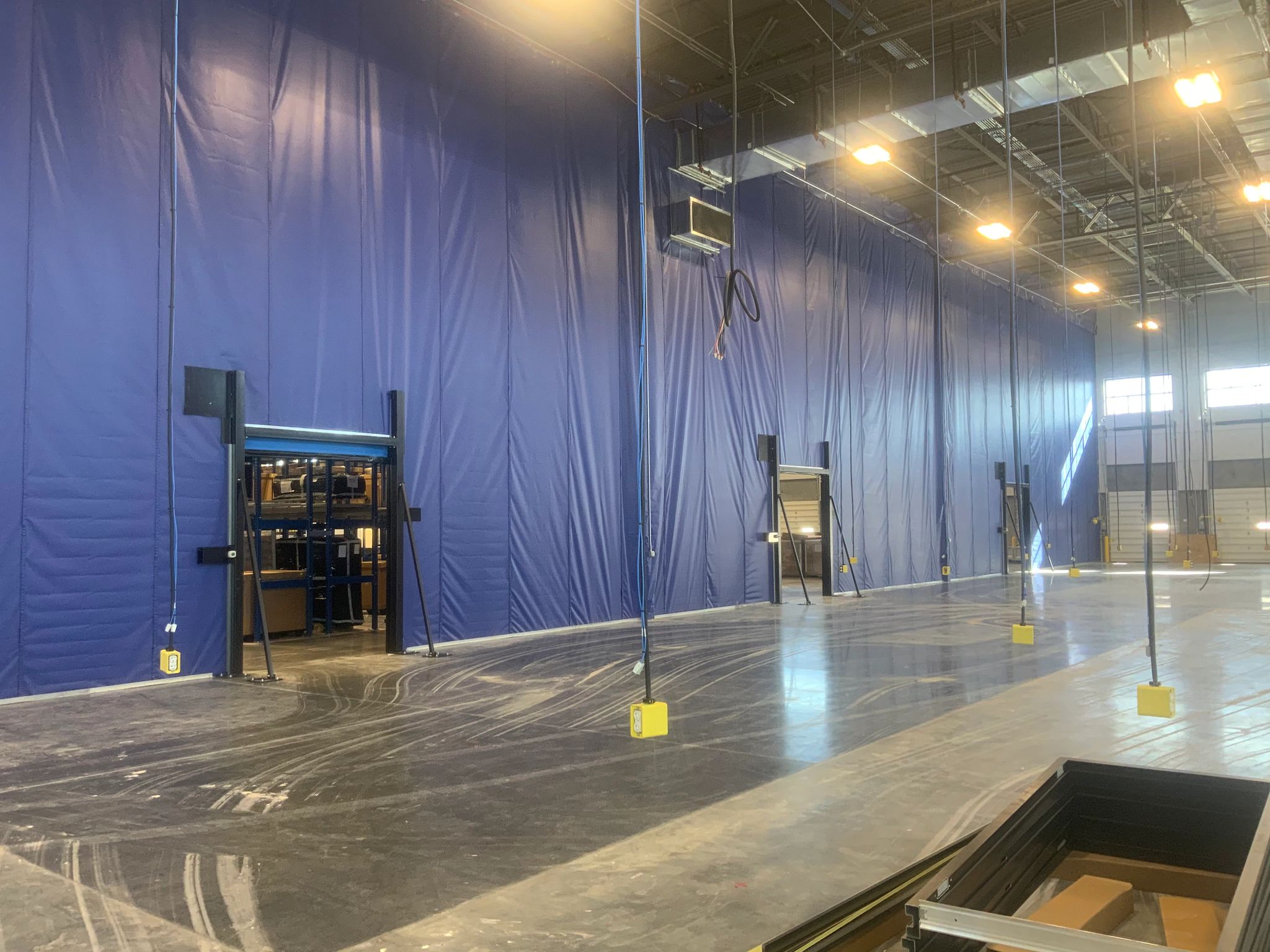
Warehouse Dust Abatement
Industrial dust removal for warehouses, distribution centers, and storage facilities.
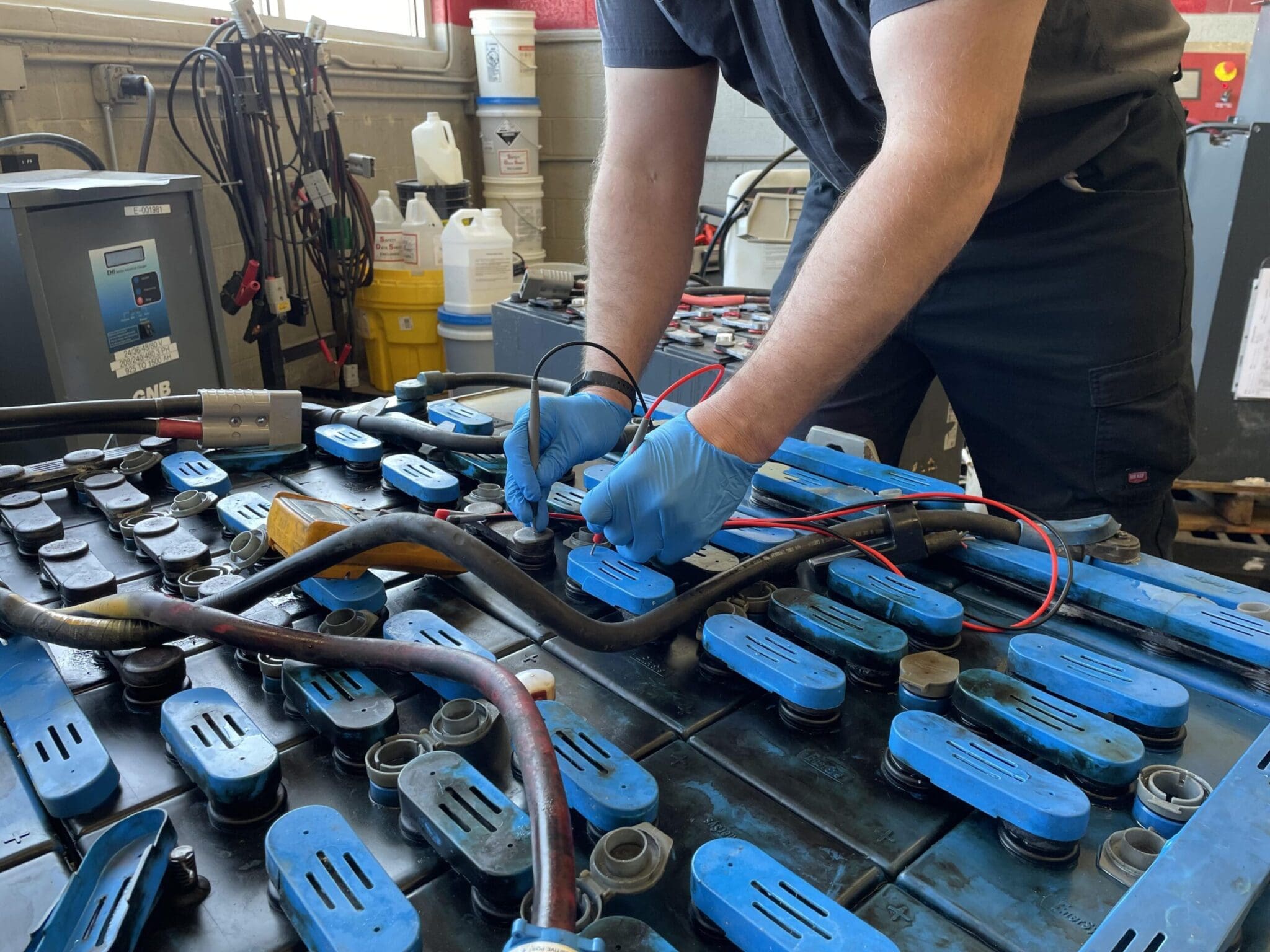
Warehouse Forklift Battery Cleaning
Specialized cleaning for forklift battery stations and warehouse charging areas.
Get Your Free High-Rise Windows Quote Today
Contact us now for a customized cleaning plan tailored to your high-rise windows needs.
Request Free Quoteservices planning guide
How to plan high rise window cleaning services for a commercial facility in Dallas
Dallas Commercial Cleaning Services uses the following planning framework to help property managers and business owners turn a request for commercial cleaning and office maintenance into a scope that can be walked, priced, scheduled, and checked. It is designed for practical comparison and does not replace site-specific safety, material, vendor, or regulatory requirements.
Define the Work Before Pricing It
Before pricing high rise window cleaning services, document exclusions as carefully as inclusions. Exterior work, high access, consumable supplies, waste handling, specialty floor restoration, equipment interiors, and event cleanup can be scheduled correctly only when responsibility is explicit. Square footage alone does not define the effort required for high rise window cleaning services. Occupancy, floor materials, restroom count, food or production activity, security procedures, furniture density, and the time available between closing and reopening all affect labor and equipment planning. For multi-tenant or mixed-use properties, high rise window cleaning services should be divided by responsibility zone. Common areas, tenant suites, back-of-house spaces, loading areas, public restrooms, and restricted rooms can then receive schedules and approval rules that match their actual use. A commercial scope should distinguish appearance cleaning from hygiene work and asset maintenance. Dust removal, disinfection, floor finish care, glass restoration, and debris control solve different problems, use different processes, and often belong on different frequencies.
Build the Schedule Around Operations
Scheduling should be built around operating hours and risk, not around the cleaning company’s convenience. Some commercial facility environments need a complete after-hours reset, while others benefit from daytime attention to entrances, restrooms, spills, or high-traffic common areas. A nightly, daily, weekly, or project schedule changes more than visit frequency. It changes how much soil accumulates between visits, which tools are appropriate, how long each visit takes, and whether periodic deep work must be layered into the agreement. Recurring high rise window cleaning services should include planned periodic work instead of waiting for visible deterioration. Rotating detail tasks through monthly or quarterly cycles protects floors, fixtures, glass, vents, edges, and other zones that routine visits cannot address completely. A dependable plan includes a method for reporting schedule changes. The facility contact should know whom to notify, how much lead time is needed, and how missed or added visits affect the monthly program before an urgent request arises.
Make Quality Control Observable
Quality control works best when it is tied to the site-specific scope. A supervisor can inspect completion against named rooms and outcomes, record exceptions, assign corrections, and identify patterns that require a change in staffing, tools, or frequency. A single complaint channel prevents service issues from disappearing between building occupants, property management, and the cleaning crew. Requests should be logged with the location, task, urgency, and desired completion time so the response can be verified. Consistent crew assignments improve high rise window cleaning services because the team learns access routines, material sensitivities, recurring problem areas, and the expectations of the facility contact. Coverage plans are still necessary for absences so consistency does not depend on one individual. The account review should examine service requests, inspection findings, occupancy changes, supply use, and upcoming facility events. That review keeps the program aligned with the property instead of allowing an old scope to continue after the building changes.
Match Methods to Materials and Risk
For sensitive or newly installed materials, a small test area can prevent expensive mistakes. The service plan should identify who approves the test result before broader cleaning or restoration proceeds. Equipment should be selected for the facility rather than for convenience. HEPA filtration, low-moisture extraction, auto-scrubbing, water-fed poles, pressure equipment, or detail tools may be appropriate depending on access, surface, soil, and reopening time. Surface identification matters because a process that works on one material can damage another. Before high rise window cleaning services, confirm flooring, stone, coated metal, glass treatments, upholstery, painted surfaces, and manufacturer restrictions that affect chemistry or agitation. A material-safety discussion should include storage and labeling. Facility contacts should know where products and equipment will be kept, which rooms remain accessible to occupants, and how spills or damaged containers are reported.
Use the Walkthrough to Build the Scope
Access and safety constraints should be demonstrated, not merely mentioned. Alarm panels, loading doors, restricted areas, waste points, water access, electrical access, and equipment storage can change the labor plan materially. A useful walkthrough ends with next steps: who will receive the written scope, who can approve revisions, whether a second technical visit is required, and what information is still needed before pricing is final. The walkthrough should follow the facility’s traffic pattern from entrances through work areas, restrooms, support rooms, and exits. This reveals where soil enters, where it concentrates, and which tasks must be completed in a particular order. For larger properties, divide the walkthrough into zones and record the floor type, use, occupancy, and desired frequency for each. This produces a proposal that can be adjusted by zone without rewriting the entire program.
Put the Service Agreement in Writing
A structured startup period gives both sides a chance to refine the scope. Early inspections and a scheduled review after the first few visits can resolve workload assumptions before they become embedded in a long-term program. Service-level expectations should be realistic and observable. A promise of “perfect cleaning” is less useful than response times, inspection routines, named completion outcomes, and an escalation process for repeated deficiencies. A commercial cleaning agreement should attach or reproduce the approved scope, frequency, service window, periodic task calendar, supply responsibilities, access rules, and communication contacts. The written detail protects both the property and the service team. Cancellation, renewal, and notice terms deserve the same attention as the cleaning checklist. A facility manager comparing proposals should understand the initial term, renewal method, price-review process, and the notice required to change or end service.
Plan for Dallas Facility Conditions
A local service plan should account for the property’s immediate environment. Construction nearby, open parking, landscaping, loading activity, and pedestrian traffic can change how quickly dust and debris return after a visit. Storm seasons can create short-notice needs around entrances, exterior glass, tracked moisture, construction material, and debris. A recurring account should know how to request work outside the normal scope and whether priority response is available. DFW traffic makes realistic arrival windows important, especially when a crew must meet security or elevator access at a fixed time. The plan should protect enough on-site time to complete the work rather than compressing the scope after a delayed handoff. Fast regional growth creates frequent move-ins, renovations, tenant turnovers, and occupancy changes. The cleaning scope should be reviewed when a property changes use instead of assuming the previous tenant’s schedule remains appropriate.
Compare Providers on More Than Price
Review the proposal for vague language. Terms such as “as needed,” “regularly,” and “periodically” should be converted into frequencies, triggers, or approval rules before the agreement is signed. References are most useful when the compared account resembles the property in size, use, and schedule. A successful small office account does not by itself demonstrate the systems needed for a large, high-traffic, or specialized facility. A pilot or structured startup can be useful when the facility is complex or the current condition is uncertain. Define what will be evaluated, how long the evaluation lasts, and what information determines the permanent scope. When comparing high rise window cleaning services proposals, normalize the scope before comparing price. A lower monthly number may exclude periodic work, supplies, supervision, floor care, or enough labor to complete the stated checklist.
Start, Measure, and Adjust the Program
Task sequencing affects results. High dusting should precede lower-surface cleaning, dry soil removal should precede wet work, and areas with restricted reopening times should be completed early enough to dry or ventilate. Periodic tasks should be placed on a calendar at startup. Floor work, carpet extraction, glass detailing, vent cleaning, high dusting, pressure cleaning, and other rotating services are easier to budget when dates are planned. A stable program still needs review after renovations, staffing growth, seasonal traffic, operating-hour changes, or new equipment. Each change can alter soil load, access, or the time available for high rise window cleaning services. The first visit should not be treated as an ordinary maintenance visit when buildup already exists. Startup cleaning establishes a maintainable baseline and gives the crew a realistic view of the time required for future service.
Bring to the walkthrough
- Approximate square footage, floor plan, and operating hours
- Current frequency, known complaints, and priority areas
- Flooring and surface notes, restricted rooms, and access rules
- Desired start date, budget constraints, and approval contacts
Expect in a written proposal
- Task scope by zone and visit frequency
- Service windows, periodic work, and supply responsibility
- Quality checks, communication, and correction procedures
- Pricing assumptions, exclusions, and change-order rules