Office Disinfection Services in Dallas
Comprehensive office disinfection services that target high-touch surfaces, workstations, and common areas. Our EPA-approved disinfectants eliminate 99.9% of bacteria and viruses, creating a healthier workspace for your employees and visitors.
Professional Office Disinfection Services in Dallas
Office disinfection services provide systematic sanitization of commercial workspaces to reduce the transmission of bacteria, viruses, and other harmful microorganisms. In today's health-conscious business environment, professional disinfection goes beyond standard cleaning to target pathogens on surfaces where they commonly lurk.
Professional office disinfection utilizes EPA-registered disinfectants and advanced application methods to treat workstations, common areas, restrooms, break rooms, and high-touch surfaces throughout your facility. This service is essential for businesses seeking to protect employee health, reduce absenteeism, and demonstrate commitment to workplace safety in Dallas's competitive business landscape.
Benefits of Our Office Disinfection Service
Reduced Employee Illness
Regular disinfection significantly reduces the presence of illness-causing pathogens on surfaces, leading to fewer sick days and maintaining workforce productivity.
Enhanced Employee Confidence
Visible commitment to workplace hygiene demonstrates employer care for staff wellbeing, improving morale and creating a sense of security in the workplace.
Protection Against Multiple Pathogens
Hospital-grade disinfectants eliminate bacteria, viruses, and fungi including influenza, norovirus, streptococcus, and other common workplace illness sources.
Regulatory Compliance
Professional disinfection helps businesses meet health and safety guidelines from OSHA, CDC, and local health departments, reducing liability exposure.
Improved Indoor Environment
Comprehensive disinfection eliminates odor-causing bacteria and creates a fresher, more pleasant workspace for employees and visitors.
Our Methods
Electrostatic Disinfection Spraying
Advanced electrostatic sprayers apply positively charged disinfectant particles that wrap around surfaces and objects, providing 360-degree coverage. This method is highly efficient for treating complex office environments including electronics, furniture, and hard-to-reach areas.
Fogging/Misting Disinfection
ULV (Ultra Low Volume) fogging creates a fine mist of disinfectant that settles on all surfaces, effectively treating large open office areas, cubicles, and shared spaces with minimal labor time.
Manual Surface Disinfection
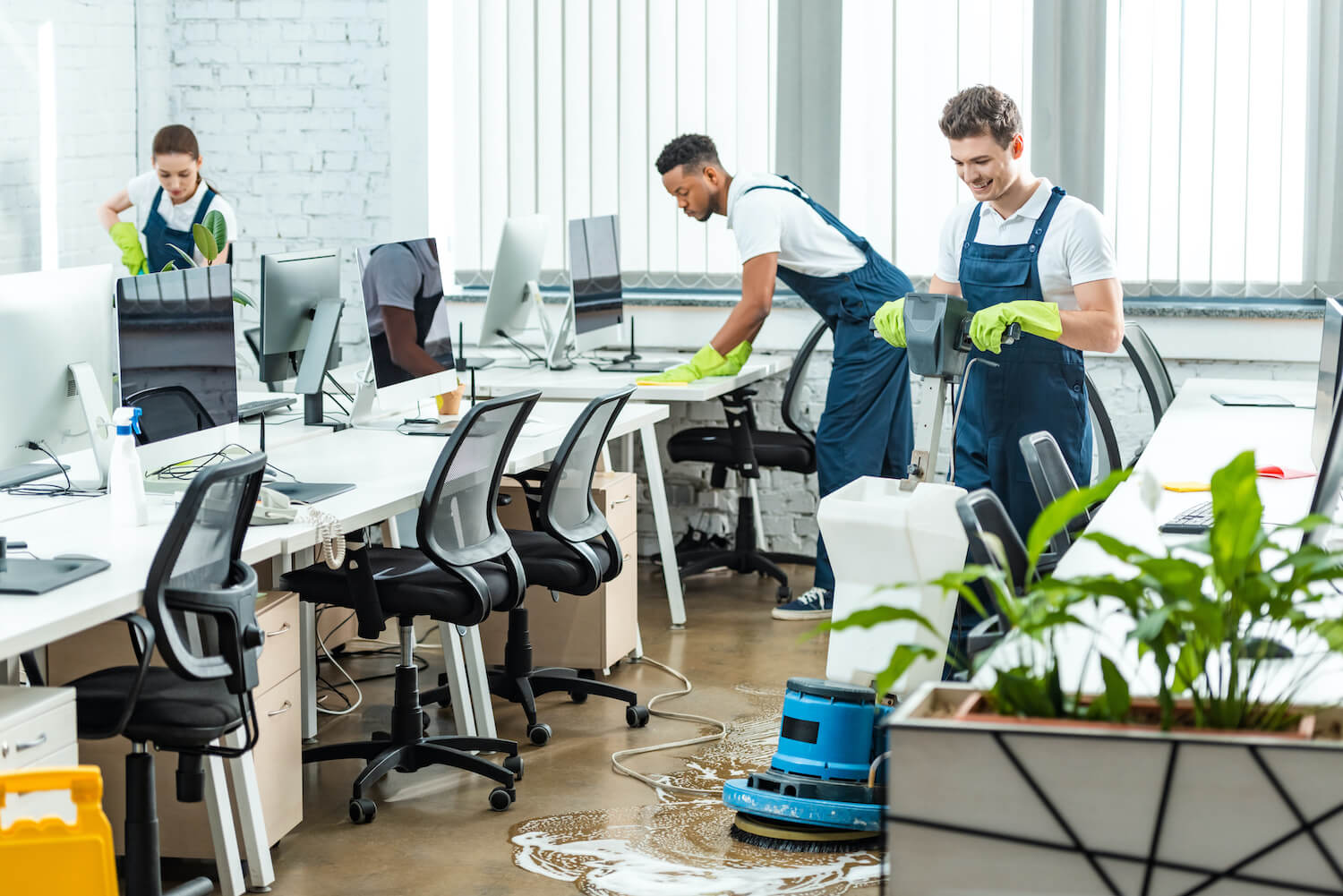
Technicians apply disinfectant using microfiber cloths and spray bottles to high-touch surfaces including door handles, light switches, keyboards, phones, and shared equipment, ensuring proper dwell time for effectiveness.
ATP Testing & Verification
Adenosine Triphosphate (ATP) testing measures organic matter on surfaces before and after disinfection, providing quantitative verification of cleaning effectiveness.
Our Process
Risk Assessment & Site Survey
We evaluate your office layout, identify high-touch surfaces and high-traffic zones, assess current cleaning protocols, and develop a customized disinfection plan.
Pre-Cleaning Preparation
Surfaces are pre-cleaned to remove visible soil and debris, as disinfectants work most effectively on clean surfaces. Clutter is organized to ensure complete coverage.
High-Touch Surface Treatment
Door handles, elevator buttons, light switches, handrails, keyboards, phones, copiers, and shared equipment receive targeted manual disinfection with proper dwell time.
Electrostatic or Fogging Application
EPA-registered disinfectant is applied throughout office spaces using electrostatic sprayers or fogging equipment, ensuring comprehensive coverage of all surfaces.
Dwell Time Compliance
Disinfectant remains on surfaces for the manufacturer's recommended contact time (typically 5-10 minutes) to ensure pathogen elimination.
Quality Verification
ATP testing samples verify disinfection effectiveness, with results documented for your records and quality assurance.
Documentation & Certification
Service completion is documented with date, time, products used, and areas treated. Disinfection certification available for display to employees and visitors.
What's Included
- High-touch surface disinfection
- Workstation and desk sanitization
- Electrostatic fogging available
- Break room and kitchen disinfection
- Restroom sanitization
- EPA-approved hospital-grade disinfectants
Frequently Asked Questions About Office Disinfection
How often should offices be professionally disinfected?
Frequency depends on office density and risk factors. High-traffic offices benefit from daily disinfection of high-touch surfaces. Most offices should undergo full-space disinfection weekly, with daily touchpoint cleaning. During illness outbreaks, daily or twice-daily disinfection is recommended.
What disinfectants do you use?
We use EPA-registered disinfectants from List N (effective against SARS-CoV-2) and hospital-grade quaternary ammonium compounds. Products are selected based on surface type, effectiveness requirements, and occupant safety considerations.
Is electrostatic spraying safe for electronics?
Yes, when properly applied by trained technicians. Electrostatic sprayers create a fine mist that dries quickly and won't damage electronics when manufacturer's guidelines are followed. We also manually treat sensitive equipment.
How long before employees can return to work?
Most disinfection services require 30-60 minutes after application before re-entry. Electrostatic spraying typically has a 30-minute return time. We schedule services during off-hours to avoid disruption.
Can disinfection services help prevent COVID-19 transmission?
Professional disinfection using EPA List N products significantly reduces viral load on surfaces when combined with proper hand hygiene and respiratory etiquette. While not a guarantee against infection, it substantially reduces transmission risk.
Do you provide documentation for compliance?
Yes. We provide detailed service reports including date, time, areas treated, products used, and ATP testing results. Disinfection certification signage is available for posting in your facility.
What's the difference between cleaning and disinfection?
Cleaning removes visible dirt and debris using soap and water. Disinfection kills microorganisms on surfaces using EPA-registered chemicals. Both are necessary—surfaces must be cleaned before effective disinfection can occur.
Industries We Serve
Related Services in Dallas
Warehouse Dust Abatement
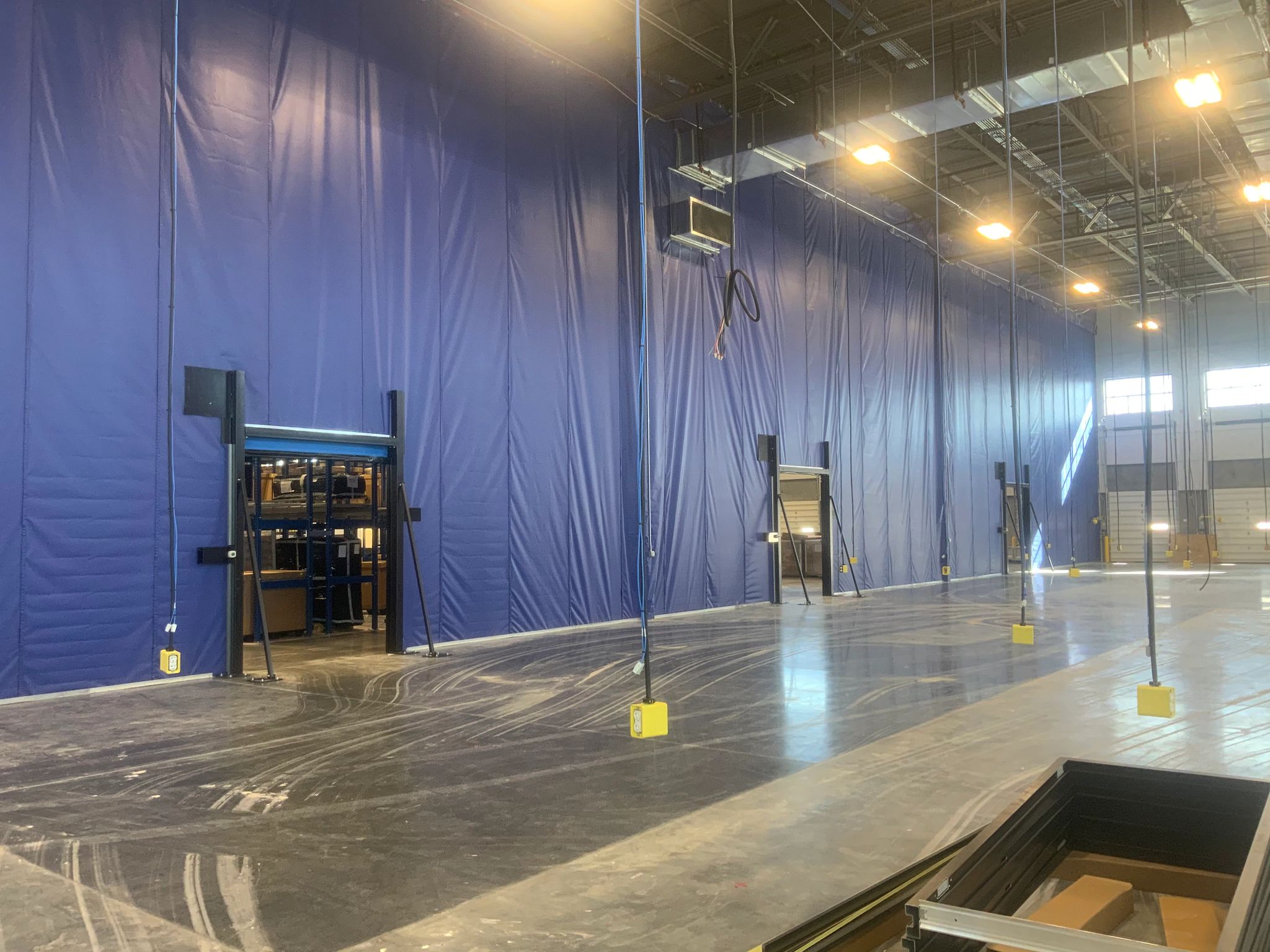
Industrial dust removal for warehouses, distribution centers, and storage facilities.
Warehouse Forklift Battery Cleaning
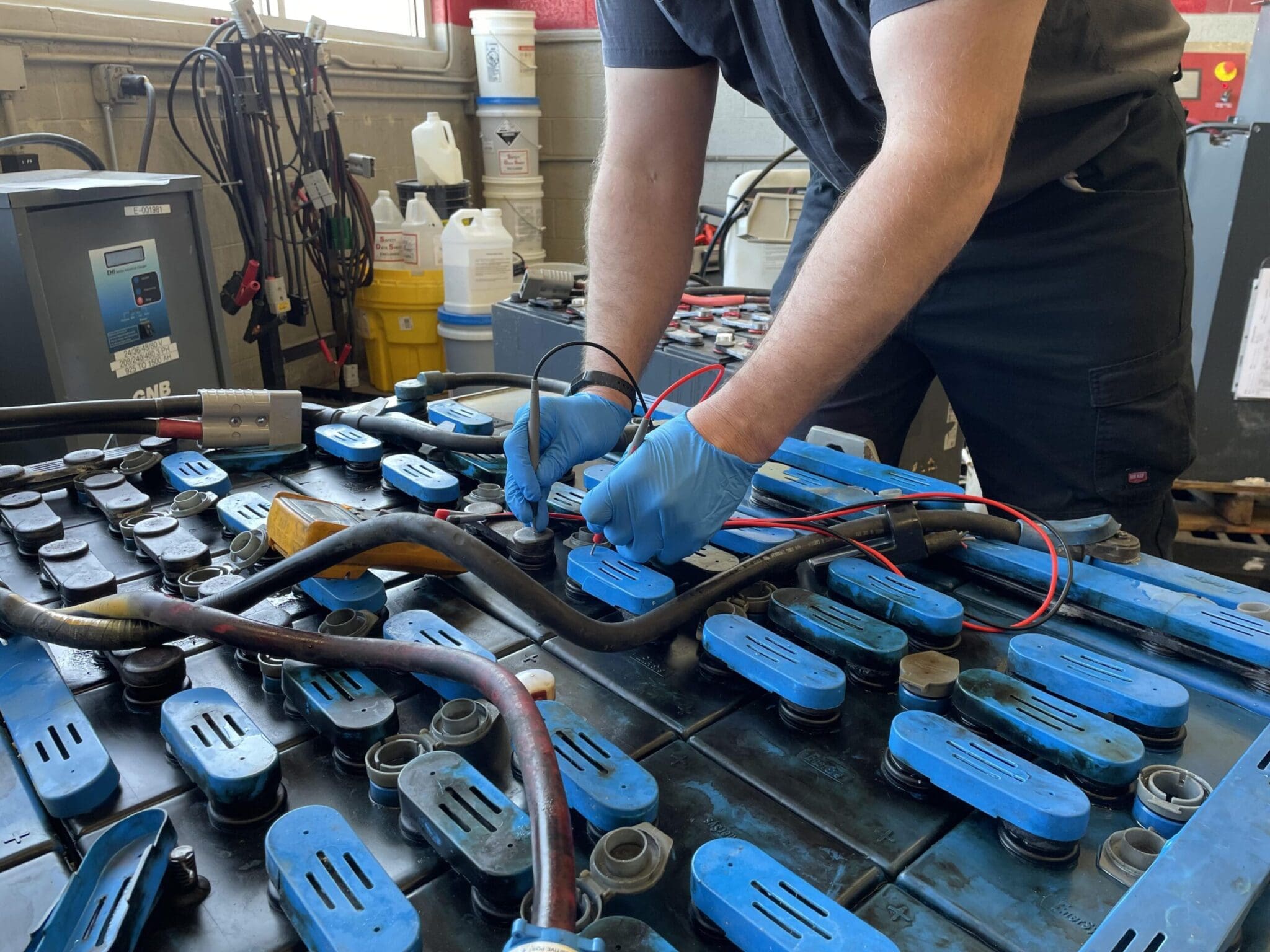
Specialized cleaning for forklift battery stations and warehouse charging areas.
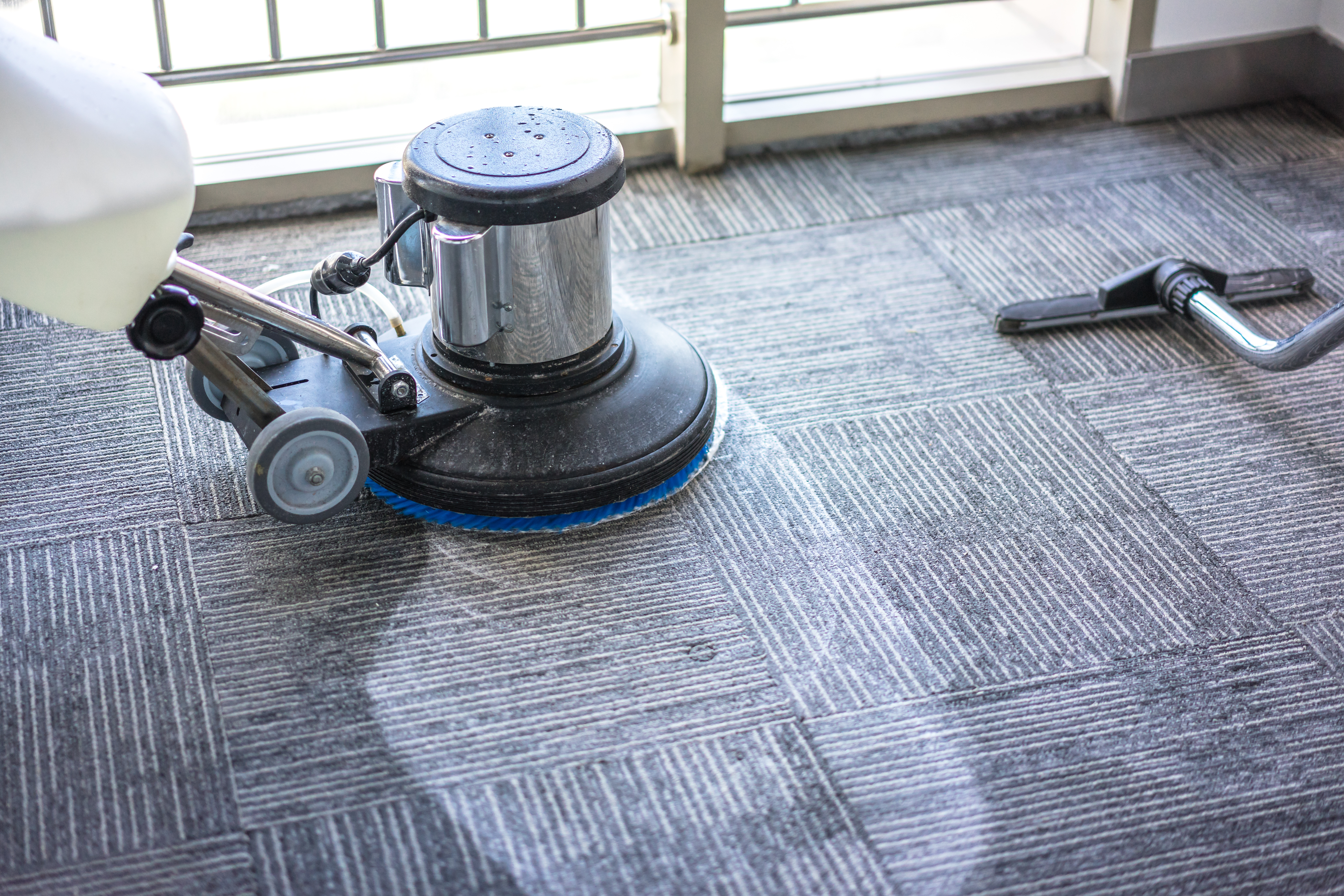
Commercial Carpet Cleaning
Deep cleaning for commercial carpets using hot water extraction and advanced stain removal techniques.
Get Your Free Office Disinfection Quote Today
Contact us now for a customized cleaning plan tailored to your office disinfection needs.
Request Free Quoteservices planning guide
How to plan office disinfection services for a commercial facility in Dallas
Dallas Commercial Cleaning Services uses the following planning framework to help property managers and business owners turn a request for commercial cleaning and office maintenance into a scope that can be walked, priced, scheduled, and checked. It is designed for practical comparison and does not replace site-specific safety, material, vendor, or regulatory requirements.
Define the Work Before Pricing It
Office Disinfection Services should begin with a written definition of the rooms, surfaces, fixtures, equipment boundaries, and access conditions included in the work. A useful scope separates routine tasks from periodic restoration so the facility manager can see what happens on every visit and what occurs only on a planned cycle. A walkthrough for office disinfection services is most productive when the decision-maker identifies the spaces that create complaints, the areas that carry the most traffic, and the tasks the current program misses. Those observations turn a generic checklist into a practical scope tied to the way the property is actually used. Before pricing office disinfection services, document exclusions as carefully as inclusions. Exterior work, high access, consumable supplies, waste handling, specialty floor restoration, equipment interiors, and event cleanup can be scheduled correctly only when responsibility is explicit. Change orders are easier to avoid when the initial office disinfection services proposal records current conditions. Photographs, floor-type notes, access limitations, and known buildup give both sides a shared baseline for deciding what belongs in startup work and what belongs in recurring maintenance.
Build the Schedule Around Operations
Facilities with irregular occupancy should use a flexible service calendar. Seasonal traffic, events, construction phases, tenant move-ins, inventory cycles, and weather can all create temporary cleaning demand that a rigid schedule will miss. Access planning is part of service planning. Keys, badges, alarm procedures, loading access, elevator reservations, escort rules, and locked-room approvals should be confirmed before the first office disinfection services visit so the crew can complete the full scope without improvising. Recurring office disinfection services should include planned periodic work instead of waiting for visible deterioration. Rotating detail tasks through monthly or quarterly cycles protects floors, fixtures, glass, vents, edges, and other zones that routine visits cannot address completely. Scheduling should be built around operating hours and risk, not around the cleaning company’s convenience. Some commercial facility environments need a complete after-hours reset, while others benefit from daytime attention to entrances, restrooms, spills, or high-traffic common areas.
Make Quality Control Observable
Inspection frequency should reflect the complexity of the account. A small weekly office may need periodic supervisory review, while a high-traffic or regulated environment may require documented checks several times each week. Consistent crew assignments improve office disinfection services because the team learns access routines, material sensitivities, recurring problem areas, and the expectations of the facility contact. Coverage plans are still necessary for absences so consistency does not depend on one individual. The account review should examine service requests, inspection findings, occupancy changes, supply use, and upcoming facility events. That review keeps the program aligned with the property instead of allowing an old scope to continue after the building changes. A single complaint channel prevents service issues from disappearing between building occupants, property management, and the cleaning crew. Requests should be logged with the location, task, urgency, and desired completion time so the response can be verified.
Match Methods to Materials and Risk
A material-safety discussion should include storage and labeling. Facility contacts should know where products and equipment will be kept, which rooms remain accessible to occupants, and how spills or damaged containers are reported. Equipment should be selected for the facility rather than for convenience. HEPA filtration, low-moisture extraction, auto-scrubbing, water-fed poles, pressure equipment, or detail tools may be appropriate depending on access, surface, soil, and reopening time. Surface identification matters because a process that works on one material can damage another. Before office disinfection services, confirm flooring, stone, coated metal, glass treatments, upholstery, painted surfaces, and manufacturer restrictions that affect chemistry or agitation. Consumable supplies deserve their own responsibility list. Soap, paper products, liners, dispensers, batteries, air fresheners, and specialty items may be client supplied, contractor supplied, or billed separately, but the agreement should not leave that question open.
Use the Walkthrough to Build the Scope
If the requested office disinfection services includes restorative work, identify the difference between a first-service reset and ongoing maintenance. Startup work may require additional labor that should not be hidden inside the recurring visit price. For larger properties, divide the walkthrough into zones and record the floor type, use, occupancy, and desired frequency for each. This produces a proposal that can be adjusted by zone without rewriting the entire program. Access and safety constraints should be demonstrated, not merely mentioned. Alarm panels, loading doors, restricted areas, waste points, water access, electrical access, and equipment storage can change the labor plan materially. The walkthrough should follow the facility’s traffic pattern from entrances through work areas, restrooms, support rooms, and exits. This reveals where soil enters, where it concentrates, and which tasks must be completed in a particular order.
Put the Service Agreement in Writing
Insurance and vendor-document requirements should be confirmed during proposal review rather than after award. If the property requires a certificate, additional insured wording, vendor portal registration, or special access documentation, those steps can affect the startup date. The agreement should state how holidays, weather closures, and client-requested skips are handled. These events affect visit counts and staffing, and the billing treatment should be clear before the first calendar exception. A commercial cleaning agreement should attach or reproduce the approved scope, frequency, service window, periodic task calendar, supply responsibilities, access rules, and communication contacts. The written detail protects both the property and the service team. Cancellation, renewal, and notice terms deserve the same attention as the cleaning checklist. A facility manager comparing proposals should understand the initial term, renewal method, price-review process, and the notice required to change or end service.
Plan for Dallas Facility Conditions
Storm seasons can create short-notice needs around entrances, exterior glass, tracked moisture, construction material, and debris. A recurring account should know how to request work outside the normal scope and whether priority response is available. A local service plan should account for the property’s immediate environment. Construction nearby, open parking, landscaping, loading activity, and pedestrian traffic can change how quickly dust and debris return after a visit. DFW traffic makes realistic arrival windows important, especially when a crew must meet security or elevator access at a fixed time. The plan should protect enough on-site time to complete the work rather than compressing the scope after a delayed handoff. Fast regional growth creates frequent move-ins, renovations, tenant turnovers, and occupancy changes. The cleaning scope should be reviewed when a property changes use instead of assuming the previous tenant’s schedule remains appropriate.
Compare Providers on More Than Price
When comparing office disinfection services proposals, normalize the scope before comparing price. A lower monthly number may exclude periodic work, supplies, supervision, floor care, or enough labor to complete the stated checklist. Ask each provider to explain staffing assumptions, visit length, supervision, equipment, and the process for covering absences. The answer reveals whether the proposal is an operating plan or simply a price attached to a task list. A pilot or structured startup can be useful when the facility is complex or the current condition is uncertain. Define what will be evaluated, how long the evaluation lasts, and what information determines the permanent scope. Review the proposal for vague language. Terms such as “as needed,” “regularly,” and “periodically” should be converted into frequencies, triggers, or approval rules before the agreement is signed.
Start, Measure, and Adjust the Program
Crew orientation should cover the approved scope, building access, material cautions, waste handling, supply storage, security, and the communication path for exceptions. Written information is more dependable than verbal instructions passed between shifts. Closeout reporting should match the account’s complexity. A small property may need simple completion confirmation; a larger or specialized account may need inspection notes, issue photographs, supply alerts, and a record of periodic tasks. A stable program still needs review after renovations, staffing growth, seasonal traffic, operating-hour changes, or new equipment. Each change can alter soil load, access, or the time available for office disinfection services. The first visit should not be treated as an ordinary maintenance visit when buildup already exists. Startup cleaning establishes a maintainable baseline and gives the crew a realistic view of the time required for future service.
Bring to the walkthrough
- Approximate square footage, floor plan, and operating hours
- Current frequency, known complaints, and priority areas
- Flooring and surface notes, restricted rooms, and access rules
- Desired start date, budget constraints, and approval contacts
Expect in a written proposal
- Task scope by zone and visit frequency
- Service windows, periodic work, and supply responsibility
- Quality checks, communication, and correction procedures
- Pricing assumptions, exclusions, and change-order rules