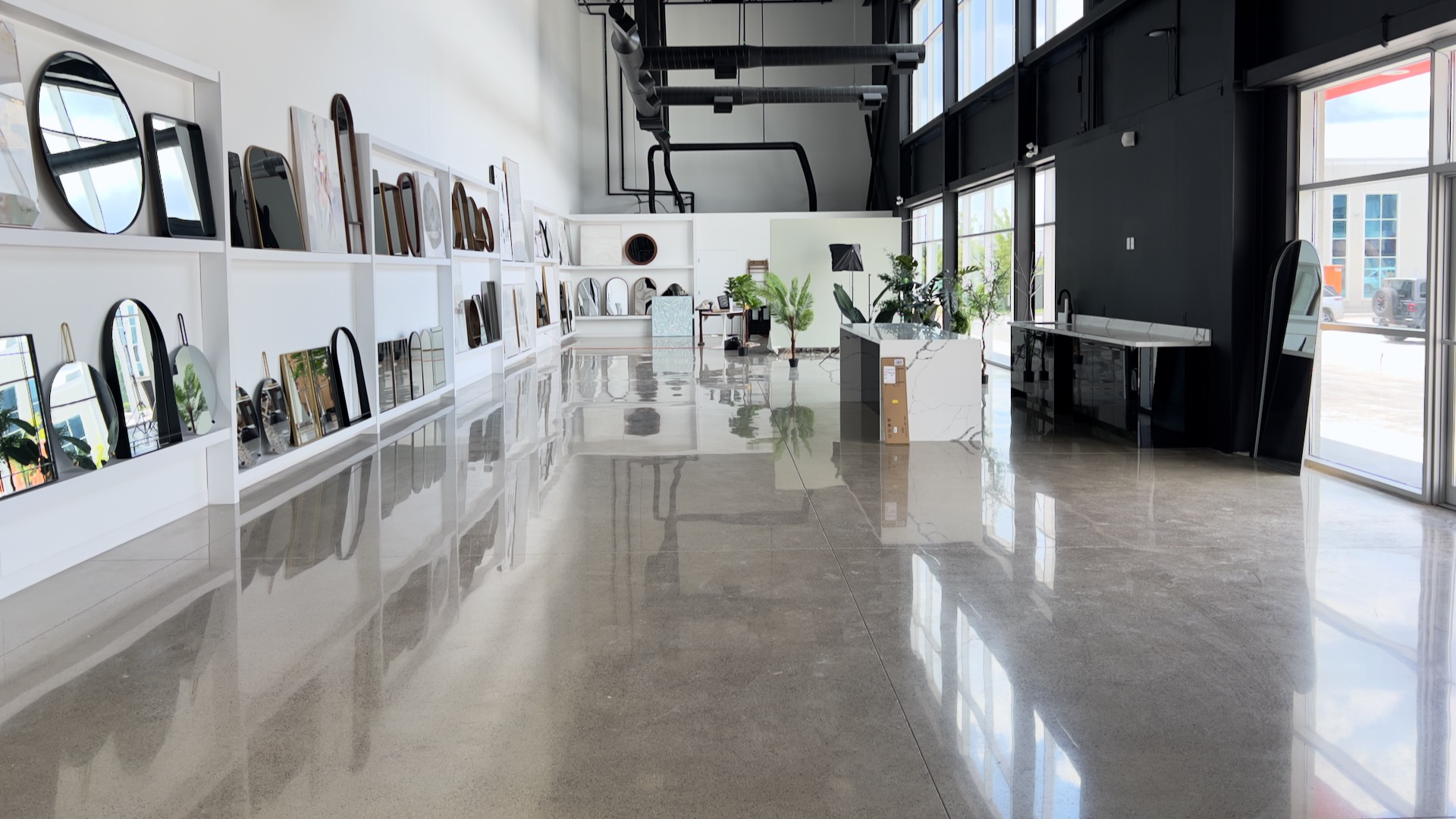
Showroom Floor Polishing in Dallas
Expert floor polishing services for auto dealerships, retail showrooms, and commercial spaces. We restore shine to marble, terrazzo, vinyl, and concrete floors, creating an impressive first impression that enhances your products and brand.
Professional Floor Polishing Services in Dallas
Showroom floor polishing is a specialized service that transforms commercial floors into brilliant, high-gloss surfaces designed to impress customers and showcase products effectively. Unlike standard floor cleaning, showroom polishing creates durable, reflective finishes that enhance lighting, create visual spaciousness, and communicate quality and attention to detail.
Professional showroom floor polishing combines deep cleaning, mechanical refinement, and protective finishing to achieve results that ordinary maintenance cannot provide. For Dallas auto dealerships, retail showrooms, furniture galleries, and product display spaces, polished floors directly impact customer perception, product presentation, and overall business success.
Benefits of Our Floor Polishing Service
Enhanced Product Presentation
Highly reflective floors create a premium backdrop that makes vehicles, merchandise, and displays more appealing, directly influencing customer purchasing decisions.
Superior Lighting Distribution
Polished floors reflect both natural and artificial light throughout the space, reducing lighting costs while creating a brighter, more inviting showroom environment.
Extended Floor Lifespan
Professional polishing densifies and hardens floor surfaces, making them more resistant to wear, staining, and damage while reducing long-term maintenance costs.
Improved Slip Resistance
Properly polished floors meet or exceed OSHA slip-resistance standards when maintained correctly, providing both beauty and safety for customers and staff.
Reduced Maintenance Requirements
Polished and sealed floors resist staining and soil accumulation, making daily cleaning faster and easier while maintaining their appearance longer between services.
Our Process
Floor Assessment & Planning
We evaluate floor material, current condition, desired gloss level, and showroom requirements to develop a customized polishing plan that achieves your aesthetic goals.
Deep Cleaning & Preparation
Floors are thoroughly cleaned to remove all soil, coatings, and contaminants. Repairs address cracks, holes, or damage before polishing begins.
Grinding (When Needed)
For concrete and stone, diamond grinding removes existing coatings, levels uneven surfaces, and prepares the floor for polishing stages.
Progressive Polishing
Multiple passes with progressively finer diamond abrasives refine the floor surface, creating the desired level of clarity and reflectivity.
Densification (Concrete)
Concrete floors receive densifier treatment that hardens the surface, increases durability, and improves polish retention.
Final Polishing & Burnishing
High-speed burnishing creates the final gloss level, whether matte, satin, semi-gloss, or high-gloss mirror finish based on your preference.
Sealing & Protection
Appropriate sealers or guards are applied to protect the polished surface from stains, wear, and daily showroom traffic.
Final Inspection & Maintenance Plan
Quality verification ensures the floor meets specifications, and we provide maintenance recommendations to preserve the showroom finish.
What's Included
- Marble and terrazzo polishing
- VCT and vinyl floor buffing
- Concrete floor polishing and sealing
- High-speed burnishing
- Scratch and scuff removal
- Protective finish application
Frequently Asked Questions About Floor Polishing
How long does showroom floor polishing take?
Project duration depends on floor size, material, and desired finish. A typical auto dealership showroom (5,000-10,000 sq ft) requires 2-4 days. Concrete polishing takes longer than VCT refinishing. We provide detailed timelines during consultation.
How long before we can use the showroom after polishing?
Cure time varies by floor type and sealer used. Most floors can handle light foot traffic within 4-6 hours. Full cure for vehicle traffic typically requires 24-48 hours. We schedule around your business needs.
How often should showroom floors be polished?
High-gloss concrete typically needs repolishing every 2-3 years depending on traffic. Routine maintenance with burnishing every 2-4 months preserves the finish. We can establish a maintenance program to extend the life of your polished floor.
Will polished floors be slippery?
Properly polished and maintained floors meet OSHA slip-resistance standards. The polishing process actually increases surface density and can improve traction compared to untreated floors when kept clean and dry.
Can you polish floors with existing damage or stains?
Most floors can be restored through polishing. Deep stains may require additional grinding. Cracks and damage can often be repaired before polishing. We assess condition during consultation and recommend appropriate restoration approaches.
What's the difference between waxing and polishing?
Waxing applies a topical coating that sits on the floor surface and requires frequent reapplication. Mechanical polishing permanently refines the actual floor material, creating a lasting finish that doesn't require wax or frequent re-coating.
Can you add color or logos to polished concrete floors?
Yes. Concrete polishing can incorporate stains, dyes, integral colors, and even logos or decorative patterns saw-cut into the floor. These elements are permanently part of the polished surface.
Related Services in Dallas
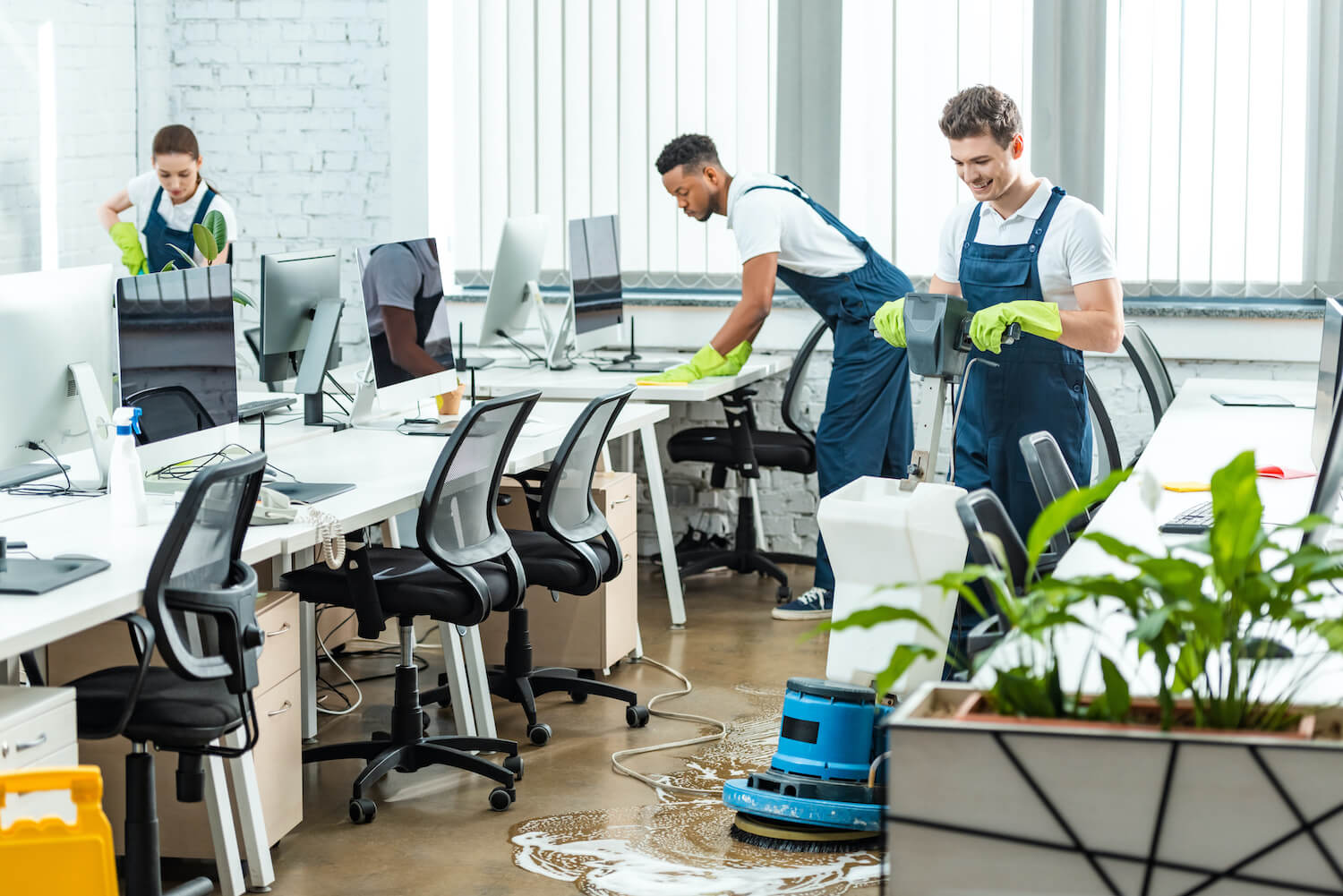
Office Disinfection Services
Hospital-grade disinfection for offices targeting high-touch surfaces and common areas.
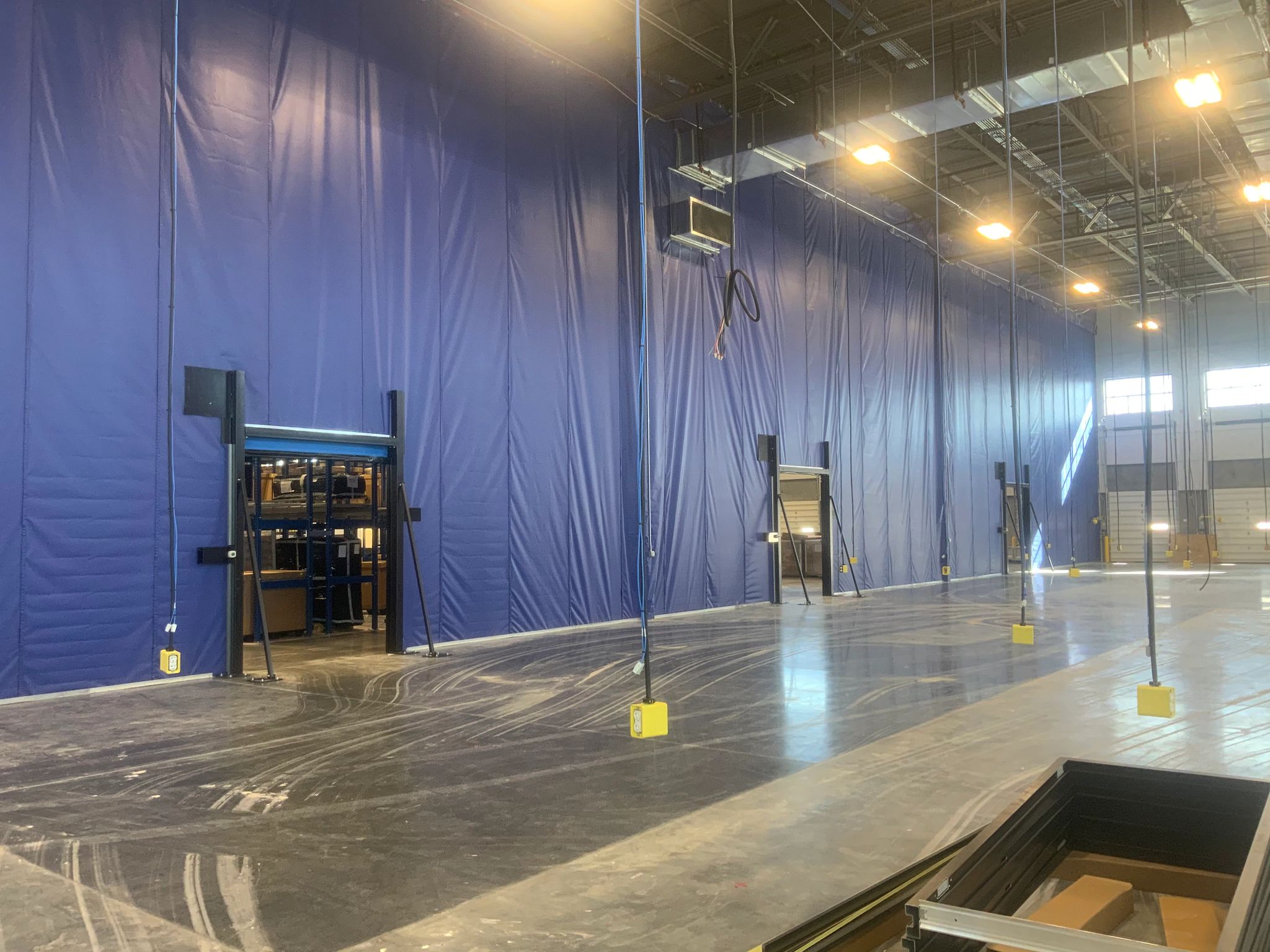
Warehouse Dust Abatement
Industrial dust removal for warehouses, distribution centers, and storage facilities.
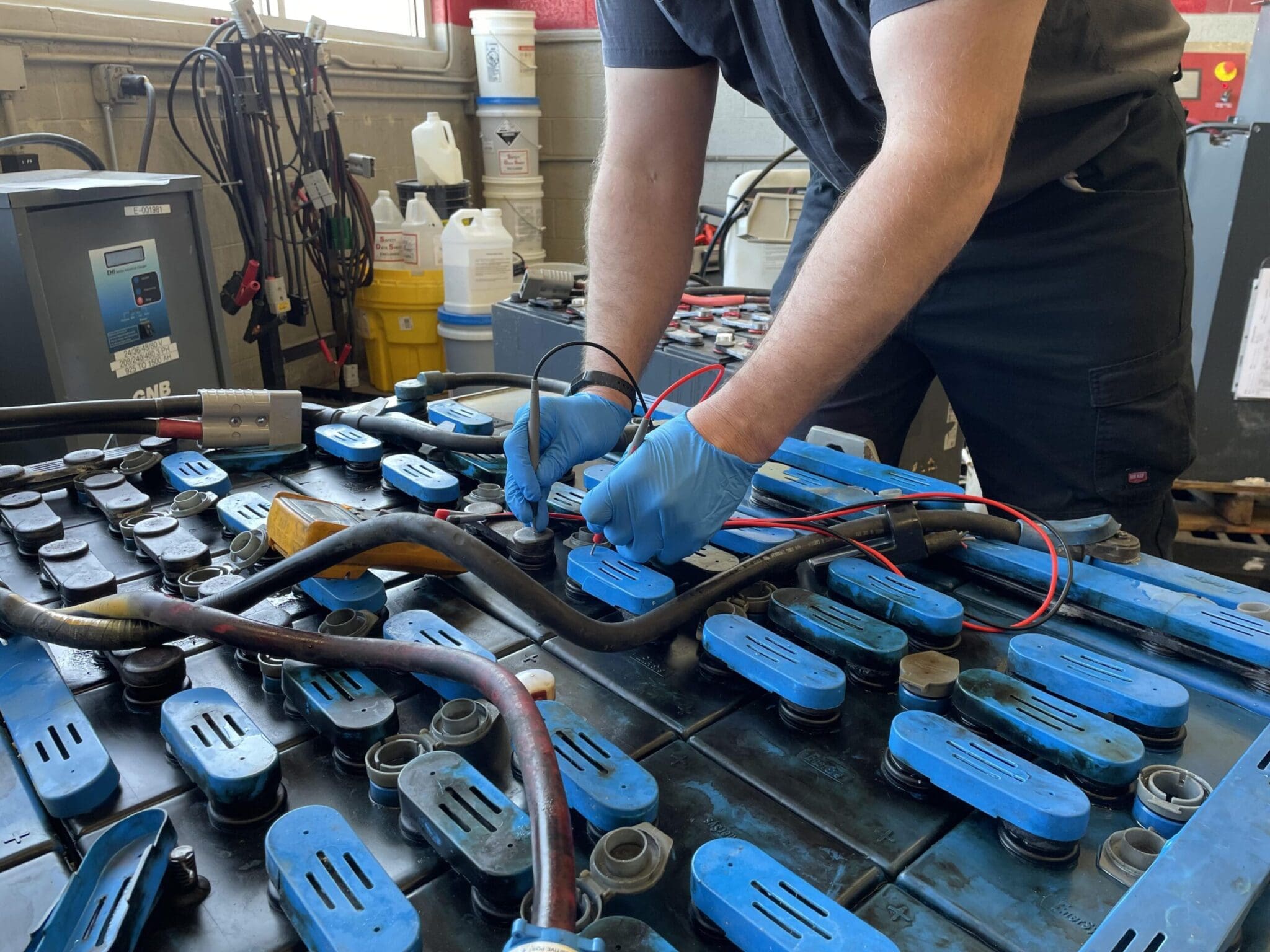
Warehouse Forklift Battery Cleaning
Specialized cleaning for forklift battery stations and warehouse charging areas.
Get Your Free Floor Polishing Quote Today
Contact us now for a customized cleaning plan tailored to your floor polishing needs.
Request Free Quoteservices planning guide
How to plan showroom floor polishing for a commercial facility in Dallas
Dallas Commercial Cleaning Services uses the following planning framework to help property managers and business owners turn a request for commercial cleaning and office maintenance into a scope that can be walked, priced, scheduled, and checked. It is designed for practical comparison and does not replace site-specific safety, material, vendor, or regulatory requirements.
Define the Work Before Pricing It
Before pricing showroom floor polishing, document exclusions as carefully as inclusions. Exterior work, high access, consumable supplies, waste handling, specialty floor restoration, equipment interiors, and event cleanup can be scheduled correctly only when responsibility is explicit. Square footage alone does not define the effort required for showroom floor polishing. Occupancy, floor materials, restroom count, food or production activity, security procedures, furniture density, and the time available between closing and reopening all affect labor and equipment planning. The strongest showroom floor polishing plan names measurable outcomes rather than relying on broad phrases such as “keep it clean.” Examples include streak-free entry glass, stocked and odor-controlled restrooms, debris-free floor edges, sanitized touchpoints, and completion before a stated opening time. Change orders are easier to avoid when the initial showroom floor polishing proposal records current conditions. Photographs, floor-type notes, access limitations, and known buildup give both sides a shared baseline for deciding what belongs in startup work and what belongs in recurring maintenance.
Build the Schedule Around Operations
Scheduling should be built around operating hours and risk, not around the cleaning company’s convenience. Some commercial facility environments need a complete after-hours reset, while others benefit from daytime attention to entrances, restrooms, spills, or high-traffic common areas. A nightly, daily, weekly, or project schedule changes more than visit frequency. It changes how much soil accumulates between visits, which tools are appropriate, how long each visit takes, and whether periodic deep work must be layered into the agreement. A dependable plan includes a method for reporting schedule changes. The facility contact should know whom to notify, how much lead time is needed, and how missed or added visits affect the monthly program before an urgent request arises. Facilities with irregular occupancy should use a flexible service calendar. Seasonal traffic, events, construction phases, tenant move-ins, inventory cycles, and weather can all create temporary cleaning demand that a rigid schedule will miss.
Make Quality Control Observable
Quality control works best when it is tied to the site-specific scope. A supervisor can inspect completion against named rooms and outcomes, record exceptions, assign corrections, and identify patterns that require a change in staffing, tools, or frequency. A single complaint channel prevents service issues from disappearing between building occupants, property management, and the cleaning crew. Requests should be logged with the location, task, urgency, and desired completion time so the response can be verified. Before-and-after documentation is especially valuable for one-time or restorative showroom floor polishing. It establishes the starting condition, records the completed result, and helps the facility manager decide whether a recurring maintenance cycle would prevent the same buildup. Consistent crew assignments improve showroom floor polishing because the team learns access routines, material sensitivities, recurring problem areas, and the expectations of the facility contact. Coverage plans are still necessary for absences so consistency does not depend on one individual.
Match Methods to Materials and Risk
For sensitive or newly installed materials, a small test area can prevent expensive mistakes. The service plan should identify who approves the test result before broader cleaning or restoration proceeds. Color-coded cloths, pads, and tools can reduce cross-use between restrooms, food areas, workspaces, and public surfaces. The exact system matters less than having a documented method the crew can follow consistently. Equipment should be selected for the facility rather than for convenience. HEPA filtration, low-moisture extraction, auto-scrubbing, water-fed poles, pressure equipment, or detail tools may be appropriate depending on access, surface, soil, and reopening time. Surface identification matters because a process that works on one material can damage another. Before showroom floor polishing, confirm flooring, stone, coated metal, glass treatments, upholstery, painted surfaces, and manufacturer restrictions that affect chemistry or agitation.
Use the Walkthrough to Build the Scope
Access and safety constraints should be demonstrated, not merely mentioned. Alarm panels, loading doors, restricted areas, waste points, water access, electrical access, and equipment storage can change the labor plan materially. A useful walkthrough ends with next steps: who will receive the written scope, who can approve revisions, whether a second technical visit is required, and what information is still needed before pricing is final. Discuss current service honestly during the walkthrough. What works should be preserved, what fails should be corrected, and any unrealistic expectation should be resolved before it becomes a recurring dispute after startup. Bring a current floor plan, operating schedule, and list of known problem areas to the walkthrough. These details help Dallas Commercial Cleaning Services organize showroom floor polishing around actual conditions instead of estimating from square footage and a short phone description.
Put the Service Agreement in Writing
A structured startup period gives both sides a chance to refine the scope. Early inspections and a scheduled review after the first few visits can resolve workload assumptions before they become embedded in a long-term program. Service-level expectations should be realistic and observable. A promise of “perfect cleaning” is less useful than response times, inspection routines, named completion outcomes, and an escalation process for repeated deficiencies. Cancellation, renewal, and notice terms deserve the same attention as the cleaning checklist. A facility manager comparing proposals should understand the initial term, renewal method, price-review process, and the notice required to change or end service. Pricing should state whether it is monthly, per visit, hourly, or project based and should identify the assumptions behind it. Changes in occupied square footage, frequency, access time, or task scope need an agreed method for repricing.
Plan for Dallas Facility Conditions
A local service plan should account for the property’s immediate environment. Construction nearby, open parking, landscaping, loading activity, and pedestrian traffic can change how quickly dust and debris return after a visit. Storm seasons can create short-notice needs around entrances, exterior glass, tracked moisture, construction material, and debris. A recurring account should know how to request work outside the normal scope and whether priority response is available. Fast regional growth creates frequent move-ins, renovations, tenant turnovers, and occupancy changes. The cleaning scope should be reviewed when a property changes use instead of assuming the previous tenant’s schedule remains appropriate. Commercial properties in the region frequently combine offices, warehouses, showrooms, food service, or public-facing areas under one address. Zoning the scope by use keeps the cleaning method appropriate for each part of the building.
Compare Providers on More Than Price
Review the proposal for vague language. Terms such as “as needed,” “regularly,” and “periodically” should be converted into frequencies, triggers, or approval rules before the agreement is signed. References are most useful when the compared account resembles the property in size, use, and schedule. A successful small office account does not by itself demonstrate the systems needed for a large, high-traffic, or specialized facility. Ask each provider to explain staffing assumptions, visit length, supervision, equipment, and the process for covering absences. The answer reveals whether the proposal is an operating plan or simply a price attached to a task list. The final decision should align service frequency with the facility’s real use. Buying fewer visits than the property needs creates visible decline; buying unnecessary frequency wastes budget that could be directed to periodic or high-priority work.
Start, Measure, and Adjust the Program
Task sequencing affects results. High dusting should precede lower-surface cleaning, dry soil removal should precede wet work, and areas with restricted reopening times should be completed early enough to dry or ventilate. Periodic tasks should be placed on a calendar at startup. Floor work, carpet extraction, glass detailing, vent cleaning, high dusting, pressure cleaning, and other rotating services are easier to budget when dates are planned. Crew orientation should cover the approved scope, building access, material cautions, waste handling, supply storage, security, and the communication path for exceptions. Written information is more dependable than verbal instructions passed between shifts. After the first service cycle, compare actual labor and facility condition with the proposal assumptions. If the original scope was inaccurate, adjust it openly rather than expecting quality to survive an unrealistic workload.
Bring to the walkthrough
- Approximate square footage, floor plan, and operating hours
- Current frequency, known complaints, and priority areas
- Flooring and surface notes, restricted rooms, and access rules
- Desired start date, budget constraints, and approval contacts
Expect in a written proposal
- Task scope by zone and visit frequency
- Service windows, periodic work, and supply responsibility
- Quality checks, communication, and correction procedures
- Pricing assumptions, exclusions, and change-order rules