Warehouse Forklift Battery Cleaning in Dallas
Specialized cleaning services for forklift battery stations and charging areas in warehouses and distribution centers. We neutralize acid spills, clean battery residue, and maintain safe, compliant charging station environments.
Professional Battery Cleaning Services in Dallas
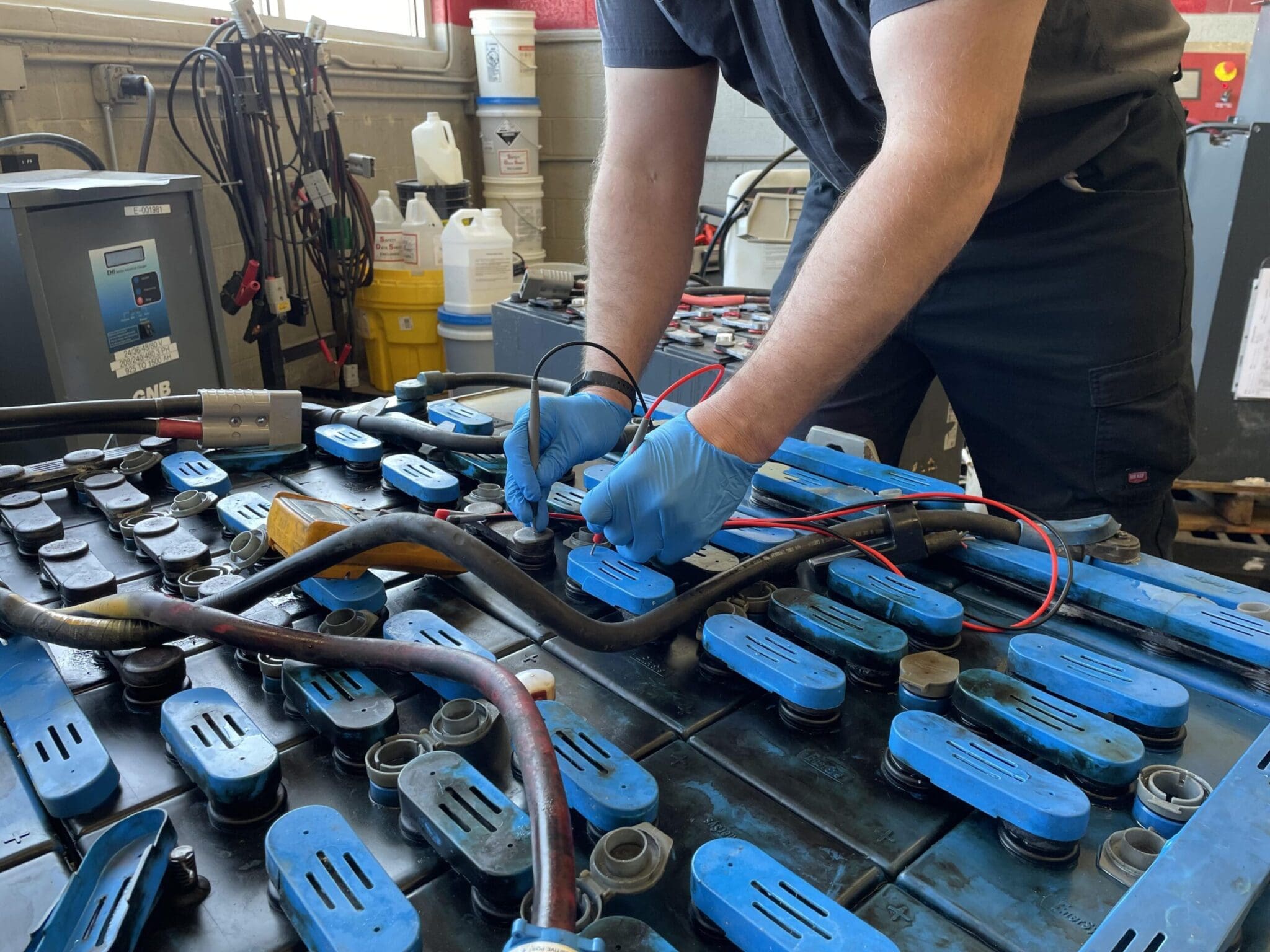
Warehouse forklift battery cleaning is a specialized industrial maintenance service that addresses the safety and performance challenges associated with lead-acid batteries used in material handling equipment. Unlike general warehouse cleaning, battery maintenance requires specific knowledge of electrochemical hazards, neutralization protocols, and proper disposal procedures.
Professional battery cleaning removes corrosive acid buildup, neutralizes spills, and maintains battery efficiency. For Dallas warehouses and distribution centers where forklift fleets represent significant capital investment, regular professional battery cleaning is essential for extending battery life, preventing equipment damage, ensuring OSHA compliance, and protecting worker safety from acid exposure and fire hazards.
Benefits of Our Battery Cleaning Service
Extended Battery Life
Clean batteries operate more efficiently and last longer. Corrosion and acid buildup cause electrical resistance that reduces performance and accelerates battery degradation.
Improved Safety
Acid neutralization and corrosion removal eliminate slip hazards, prevent chemical burns, and reduce fire risks associated with accumulated battery acid in charging areas.
OSHA Compliance
Professional cleaning helps warehouses meet OSHA standards for hazardous material handling, eye wash station requirements, and employee safety in battery maintenance areas.
Equipment Protection
Acid runoff corrodes charging equipment, flooring, and nearby machinery. Regular cleaning protects your investment in battery handling infrastructure.
Enhanced Performance
Clean battery terminals and cases ensure optimal electrical conductivity, reducing downtime and maintaining consistent forklift performance throughout shifts.
Our Process
Safety Assessment & Setup
We evaluate the battery charging area, verify ventilation, establish safety protocols, and set up containment to prevent acid spread during cleaning.
Battery Inspection
Each battery is inspected for damage, leaks, terminal condition, and electrolyte levels. Problem batteries are flagged for maintenance or replacement.
Acid Neutralization
Baking soda solution or commercial neutralizers are applied to acid spills and corrosion to safely neutralize sulfuric acid before removal.
Corrosion Removal
Battery terminals, cables, and cases are cleaned using brushes and neutralizing solutions to remove accumulated corrosion without damaging components.
Case & Compartment Cleaning
Battery exteriors, lifting eyes, and battery compartments are thoroughly cleaned to remove acid film, dirt, and conductive contamination.
Charging Station Cleaning
Charging racks, stands, and surrounding floors are cleaned and neutralized to remove acid accumulation that damages equipment and creates hazards.
Rinse & Dry
Neutralized areas are rinsed with clean water and thoroughly dried to prevent electrical issues and future corrosion.
Post-Cleaning Inspection
Final inspection verifies complete acid removal, proper battery condition, and safe operational status of the charging area.
What's Included
- Battery acid neutralization and cleanup
- Charging station area degreasing
- Battery rack and equipment cleaning
- Floor protection and sealant application
- Spill containment area cleaning
- Ventilation system dusting
Frequently Asked Questions About Battery Cleaning
How often should forklift batteries be professionally cleaned?
High-use operations should have batteries cleaned monthly. Moderate-use facilities benefit from quarterly cleaning. Battery charging areas should be assessed and cleaned at least semi-annually, with immediate cleaning after any significant acid spill.
Is battery cleaning dangerous?
When performed by trained professionals with appropriate PPE and safety protocols, battery cleaning is safe. The hazards of sulfuric acid, hydrogen gas, and lead require specific knowledge and equipment that professional services provide. DIY cleaning poses significant risks.
Will cleaning damage the batteries?
Professional cleaning using correct procedures and neutralizing agents will not damage batteries. In fact, proper cleaning extends battery life by preventing corrosion that degrades terminals and cases. Careless cleaning can cause damage, which is why professional service is recommended.
Do you handle battery maintenance too?
Our service focuses on cleaning and corrosion removal. Battery maintenance including watering, specific gravity testing, and equalization charging should be performed by your maintenance staff or battery service provider according to manufacturer schedules.
Can you dispose of old batteries?
Battery disposal requires licensed hazardous waste handling. We can coordinate with certified battery recyclers for disposal of damaged or end-of-life batteries, ensuring compliance with EPA and state regulations.
What about lithium-ion batteries?
Lithium-ion forklift batteries have different maintenance requirements and don't produce acid corrosion like lead-acid batteries. They require less cleaning but still benefit from professional inspection and terminal maintenance. We can assess your specific battery types.
Do you provide documentation for safety inspections?
Yes. We provide service reports documenting cleaning dates, batteries serviced, acid neutralization performed, and any maintenance concerns noted. This documentation supports your OSHA compliance and safety program records.
Related Services in Dallas

Office Disinfection Services
Hospital-grade disinfection for offices targeting high-touch surfaces and common areas.
Warehouse Dust Abatement
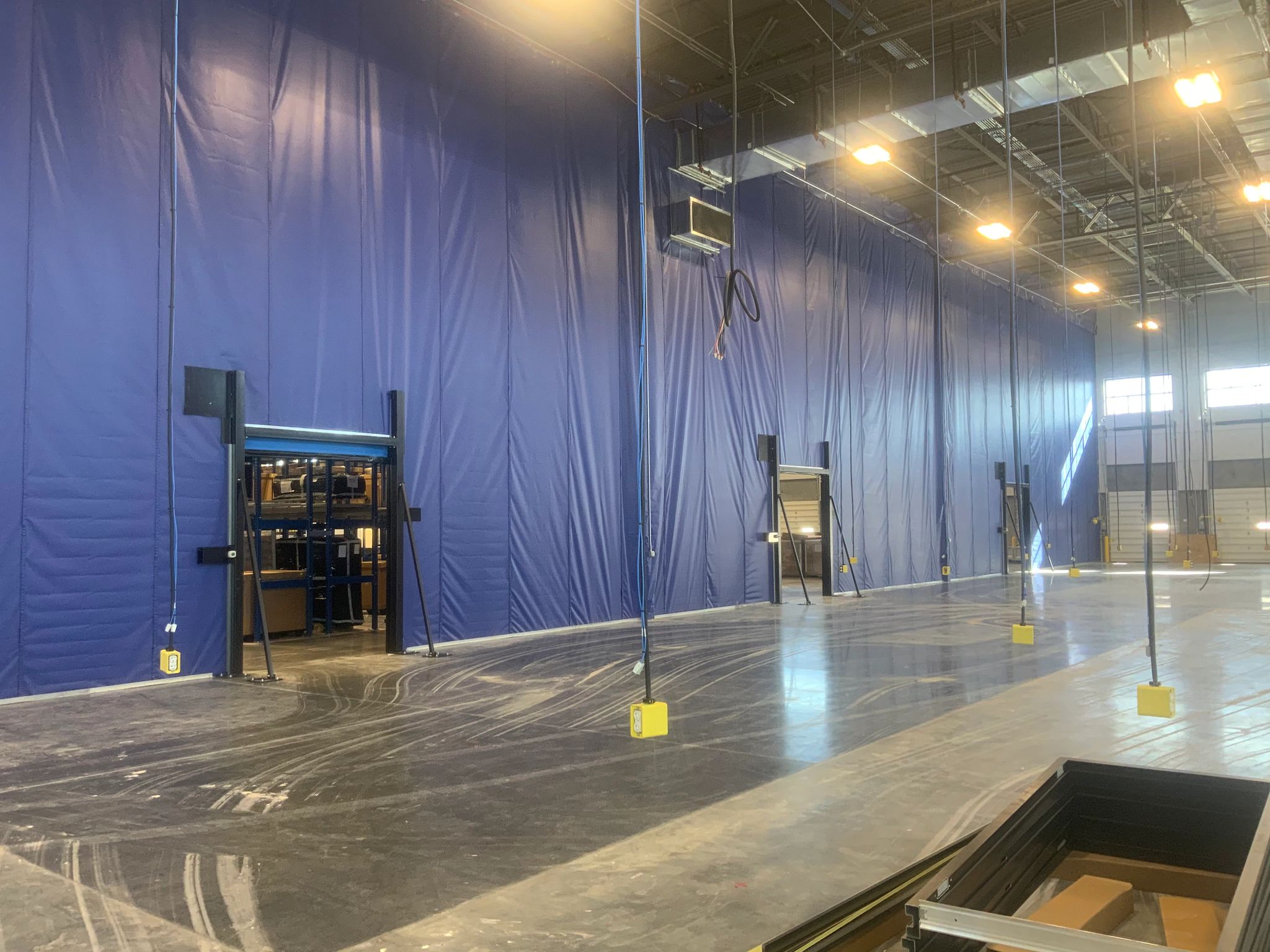
Industrial dust removal for warehouses, distribution centers, and storage facilities.
Commercial Carpet Cleaning
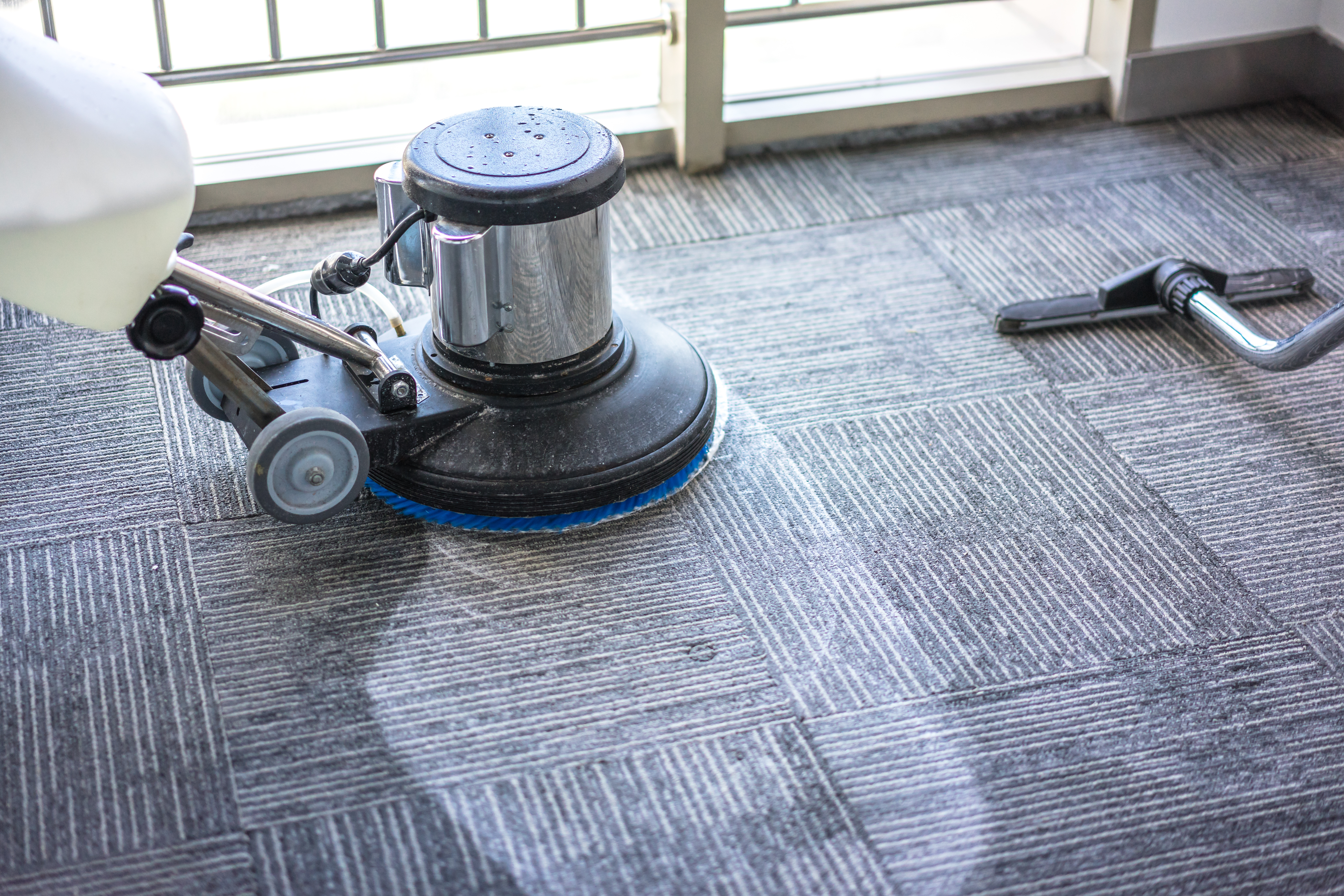
Deep cleaning for commercial carpets using hot water extraction and advanced stain removal techniques.
Get Your Free Battery Cleaning Quote Today
Contact us now for a customized cleaning plan tailored to your battery cleaning needs.
Request Free Quoteservices planning guide
How to plan warehouse forklift battery cleaning for a commercial facility in Dallas
Dallas Commercial Cleaning Services uses the following planning framework to help property managers and business owners turn a request for commercial cleaning and office maintenance into a scope that can be walked, priced, scheduled, and checked. It is designed for practical comparison and does not replace site-specific safety, material, vendor, or regulatory requirements.
Define the Work Before Pricing It
Before pricing warehouse forklift battery cleaning, document exclusions as carefully as inclusions. Exterior work, high access, consumable supplies, waste handling, specialty floor restoration, equipment interiors, and event cleanup can be scheduled correctly only when responsibility is explicit. Warehouse Forklift Battery Cleaning should begin with a written definition of the rooms, surfaces, fixtures, equipment boundaries, and access conditions included in the work. A useful scope separates routine tasks from periodic restoration so the facility manager can see what happens on every visit and what occurs only on a planned cycle. A commercial scope should distinguish appearance cleaning from hygiene work and asset maintenance. Dust removal, disinfection, floor finish care, glass restoration, and debris control solve different problems, use different processes, and often belong on different frequencies. For multi-tenant or mixed-use properties, warehouse forklift battery cleaning should be divided by responsibility zone. Common areas, tenant suites, back-of-house spaces, loading areas, public restrooms, and restricted rooms can then receive schedules and approval rules that match their actual use.
Build the Schedule Around Operations
Scheduling should be built around operating hours and risk, not around the cleaning company’s convenience. Some commercial facility environments need a complete after-hours reset, while others benefit from daytime attention to entrances, restrooms, spills, or high-traffic common areas. Facilities with irregular occupancy should use a flexible service calendar. Seasonal traffic, events, construction phases, tenant move-ins, inventory cycles, and weather can all create temporary cleaning demand that a rigid schedule will miss. A nightly, daily, weekly, or project schedule changes more than visit frequency. It changes how much soil accumulates between visits, which tools are appropriate, how long each visit takes, and whether periodic deep work must be layered into the agreement. Daytime and after-hours service solve different operational problems. Day porter coverage manages visible conditions while people are present; after-hours crews complete disruptive or time-intensive tasks when work areas can be accessed safely and thoroughly.
Make Quality Control Observable
Quality control works best when it is tied to the site-specific scope. A supervisor can inspect completion against named rooms and outcomes, record exceptions, assign corrections, and identify patterns that require a change in staffing, tools, or frequency. Inspection frequency should reflect the complexity of the account. A small weekly office may need periodic supervisory review, while a high-traffic or regulated environment may require documented checks several times each week. Useful performance conversations separate an isolated miss from a recurring process failure. One unemptied bin requires correction; repeated misses in the same wing may indicate unclear zoning, inadequate time, or a checklist that does not match the building. A quality program should explain how corrections are handled. The facility contact needs a clear response path, a reasonable correction window, and confirmation when the issue is closed rather than a vague assurance that someone will look into it.
Match Methods to Materials and Risk
For sensitive or newly installed materials, a small test area can prevent expensive mistakes. The service plan should identify who approves the test result before broader cleaning or restoration proceeds. Equipment should be selected for the facility rather than for convenience. HEPA filtration, low-moisture extraction, auto-scrubbing, water-fed poles, pressure equipment, or detail tools may be appropriate depending on access, surface, soil, and reopening time. Dwell time and physical removal are central to effective cleaning. A product cannot perform as intended if it is wiped away immediately, and loosened soil still needs to be removed with clean tools rather than redistributed across the surface. A material-safety discussion should include storage and labeling. Facility contacts should know where products and equipment will be kept, which rooms remain accessible to occupants, and how spills or damaged containers are reported.
Use the Walkthrough to Build the Scope
Access and safety constraints should be demonstrated, not merely mentioned. Alarm panels, loading doors, restricted areas, waste points, water access, electrical access, and equipment storage can change the labor plan materially. If the requested warehouse forklift battery cleaning includes restorative work, identify the difference between a first-service reset and ongoing maintenance. Startup work may require additional labor that should not be hidden inside the recurring visit price. Ask department leads or regular occupants where cleaning failures are most visible. Facility managers often know the formal complaints, while daily users can identify recurring issues such as neglected corners, supply shortages, or timing conflicts. A useful walkthrough ends with next steps: who will receive the written scope, who can approve revisions, whether a second technical visit is required, and what information is still needed before pricing is final.
Put the Service Agreement in Writing
A structured startup period gives both sides a chance to refine the scope. Early inspections and a scheduled review after the first few visits can resolve workload assumptions before they become embedded in a long-term program. The agreement should state how holidays, weather closures, and client-requested skips are handled. These events affect visit counts and staffing, and the billing treatment should be clear before the first calendar exception. Pricing should state whether it is monthly, per visit, hourly, or project based and should identify the assumptions behind it. Changes in occupied square footage, frequency, access time, or task scope need an agreed method for repricing. Service-level expectations should be realistic and observable. A promise of “perfect cleaning” is less useful than response times, inspection routines, named completion outcomes, and an escalation process for repeated deficiencies.
Plan for Dallas Facility Conditions
A local service plan should account for the property’s immediate environment. Construction nearby, open parking, landscaping, loading activity, and pedestrian traffic can change how quickly dust and debris return after a visit. Commercial properties in the region frequently combine offices, warehouses, showrooms, food service, or public-facing areas under one address. Zoning the scope by use keeps the cleaning method appropriate for each part of the building. Heat and air-conditioning runtime can increase dust movement through vents, ledges, high surfaces, and return-air zones. Periodic detail work should be scheduled before accumulation becomes visible or begins cycling back into occupied areas. DFW traffic makes realistic arrival windows important, especially when a crew must meet security or elevator access at a fixed time. The plan should protect enough on-site time to complete the work rather than compressing the scope after a delayed handoff.
Compare Providers on More Than Price
Review the proposal for vague language. Terms such as “as needed,” “regularly,” and “periodically” should be converted into frequencies, triggers, or approval rules before the agreement is signed. When comparing warehouse forklift battery cleaning proposals, normalize the scope before comparing price. A lower monthly number may exclude periodic work, supplies, supervision, floor care, or enough labor to complete the stated checklist. A pilot or structured startup can be useful when the facility is complex or the current condition is uncertain. Define what will be evaluated, how long the evaluation lasts, and what information determines the permanent scope. References are most useful when the compared account resembles the property in size, use, and schedule. A successful small office account does not by itself demonstrate the systems needed for a large, high-traffic, or specialized facility.
Start, Measure, and Adjust the Program
Task sequencing affects results. High dusting should precede lower-surface cleaning, dry soil removal should precede wet work, and areas with restricted reopening times should be completed early enough to dry or ventilate. A stable program still needs review after renovations, staffing growth, seasonal traffic, operating-hour changes, or new equipment. Each change can alter soil load, access, or the time available for warehouse forklift battery cleaning. The first visit should not be treated as an ordinary maintenance visit when buildup already exists. Startup cleaning establishes a maintainable baseline and gives the crew a realistic view of the time required for future service. After the first service cycle, compare actual labor and facility condition with the proposal assumptions. If the original scope was inaccurate, adjust it openly rather than expecting quality to survive an unrealistic workload.
Bring to the walkthrough
- Approximate square footage, floor plan, and operating hours
- Current frequency, known complaints, and priority areas
- Flooring and surface notes, restricted rooms, and access rules
- Desired start date, budget constraints, and approval contacts
Expect in a written proposal
- Task scope by zone and visit frequency
- Service windows, periodic work, and supply responsibility
- Quality checks, communication, and correction procedures
- Pricing assumptions, exclusions, and change-order rules