
Cubicle Maintenance Cleaning in Dallas
Detailed cleaning services for office cubicles and workstations. We clean partitions, desks, chairs, and all work surfaces to maintain a professional, healthy environment that supports employee productivity and wellbeing.
Professional Cubicle Cleaning Services in Dallas
Cubicle maintenance cleaning is a specialized service that addresses the unique cleaning challenges of modern office workstations where employees spend the majority of their workday. Unlike general office cleaning, cubicle maintenance focuses on the detailed cleaning of partition panels, work surfaces, technology equipment, and personal spaces that harbor dust, allergens, and bacteria in high concentrations.
Professional cubicle cleaning goes beyond emptying trash and occasional dusting to provide systematic sanitization of workstation components. For Dallas businesses seeking to maintain employee health, productivity, and professional appearances, regular cubicle maintenance is an essential component of comprehensive facility management.
Benefits of Our Cubicle Cleaning Service
Healthier Work Environment
Cubicle surfaces harbor bacteria, viruses, and allergens at higher levels than many other office areas. Professional cleaning reduces pathogen loads, supporting employee wellness and reducing sick days.
Improved Employee Morale
Clean, well-maintained workstations show employees their wellbeing is valued. Fresh-smelling, dust-free cubicles contribute to job satisfaction and workplace pride.
Extended Furniture Lifespan
Regular maintenance prevents soil accumulation that damages fabric panels, scratches surfaces, and degrades workstation components, protecting your furniture investment.
Enhanced Professional Appearance
Immaculate workstations create positive impressions during client visits, executive tours, and when employees work with external partners in their personal spaces.
Allergy & Asthma Relief
Removal of dust mites, pollen, and particulates from cubicle fabrics and surfaces provides relief for employees with respiratory sensitivities, improving comfort and focus.
Our Process
Workstation Assessment
We evaluate cubicle configuration, material types, soil levels, and employee schedules to develop an efficient cleaning plan that respects workspace privacy.
Declutter & Preparation
Loose papers, personal items, and desk contents are carefully organized to allow access to all surfaces while respecting employee belongings.
High Dusting & Ventilation
Overhead ledges, cabinet tops, and ventilation components are dusted to remove accumulated particulates that settle onto work surfaces.
Panel Cleaning
Cubicle walls and panels receive appropriate cleaning based on material—fabric panels are vacuumed and spot-cleaned, laminate surfaces are wiped and sanitized.
Surface Sanitization
Desks, chairs, armrests, and work surfaces are cleaned and disinfected using products safe for electronics and finished surfaces.
Technology Cleaning
Phones, keyboards, monitors, and peripherals are cleaned with electronics-safe products that remove germs without leaving residue or moisture.
Floor & Baseboard Cleaning
Carpets are vacuumed, hard floors are cleaned, and baseboards are detailed to complete the cubicle environment restoration.
Final Inspection & Reset
Quality check ensures all surfaces meet standards. Workstations are returned to original arrangement with all items in place.
What's Included
- Partition and panel cleaning
- Desk and work surface sanitization
- Chair and upholstery cleaning
- Keyboard and phone disinfection
- Trash removal and liner replacement
- Dusting of monitors and equipment
Frequently Asked Questions About Cubicle Cleaning
How often should cubicles be professionally cleaned?
For optimal hygiene, cubicles should receive deep cleaning quarterly, with high-touch surface sanitization monthly. High-density offices or during illness seasons may benefit from more frequent service. We customize schedules based on your specific environment.
Do you clean while employees are working?
We coordinate with your schedule, often performing cubicle cleaning after hours or during lunch breaks to minimize disruption. With advance notice, we can also work at individual workstations while employees are in meetings or away from their desks.
Will you move or disturb personal items?
Our technicians are trained to work respectfully around personal belongings. Items are carefully moved only as needed for cleaning access and returned to their original positions. We treat employee spaces with the utmost respect.
Can you clean around computers and electronics?
Absolutely. We use electronics-safe cleaning products and techniques specifically designed for office technology. Monitors, keyboards, and phones are carefully cleaned without risk of damage or moisture exposure.
Do you clean fabric cubicle walls?
Yes. Fabric panels are HEPA vacuumed to remove dust and allergens, with spot treatment for stains. Encapsulation cleaning can be performed for deeper refreshment without removing panels.
What about stains on cubicle panels?
Most common stains including coffee, ink, and food spills can be removed from fabric panels using specialized spot treatments. We assess stains during service and apply appropriate treatments.
Is this service different from regular janitorial cleaning?
Yes. While janitorial services handle trash, basic vacuuming, and common areas, cubicle maintenance provides detailed cleaning of individual workstations including sanitization, panel cleaning, and attention to personal spaces that standard cleaning doesn't address.
Related Services in Dallas
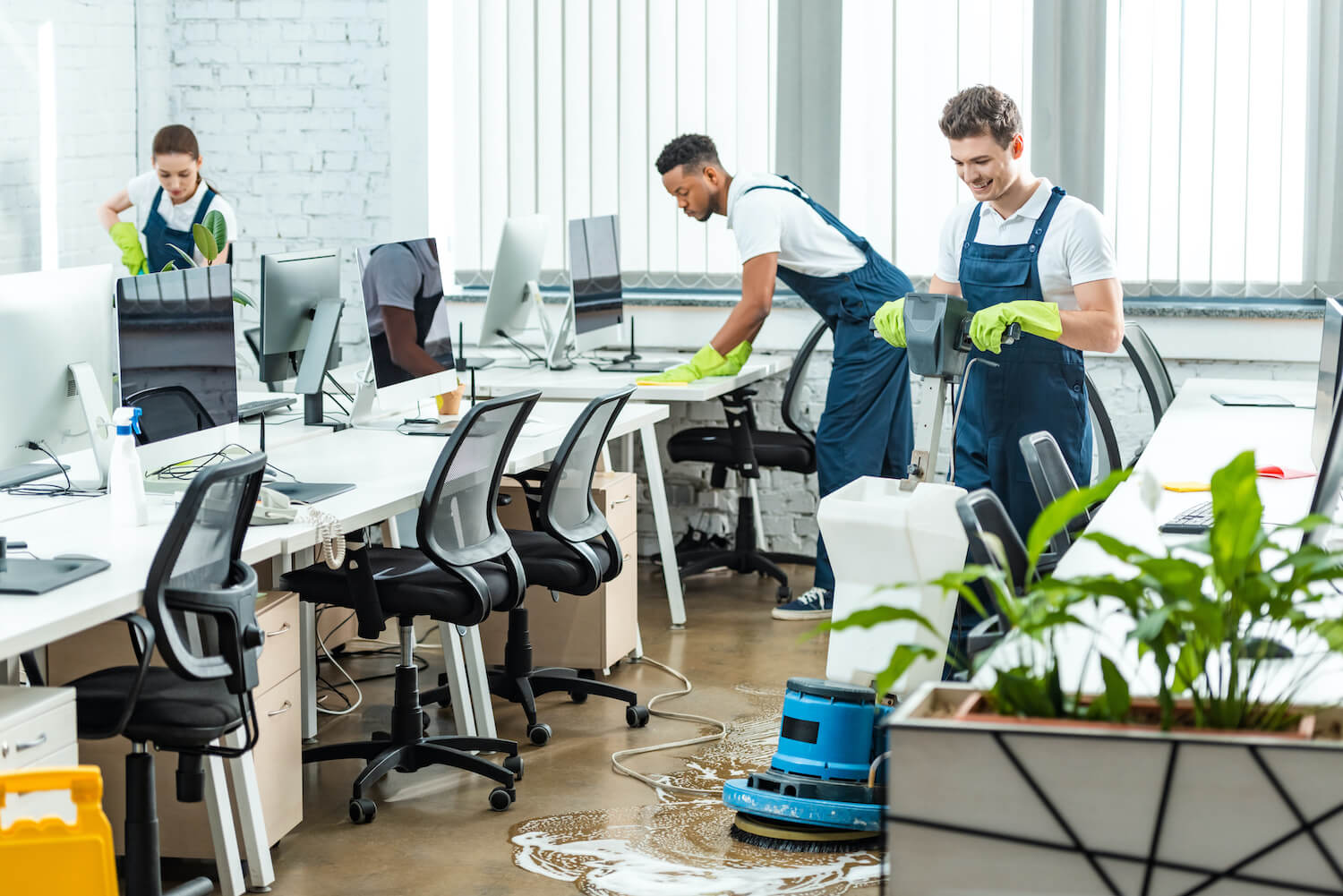
Office Disinfection Services
Hospital-grade disinfection for offices targeting high-touch surfaces and common areas.
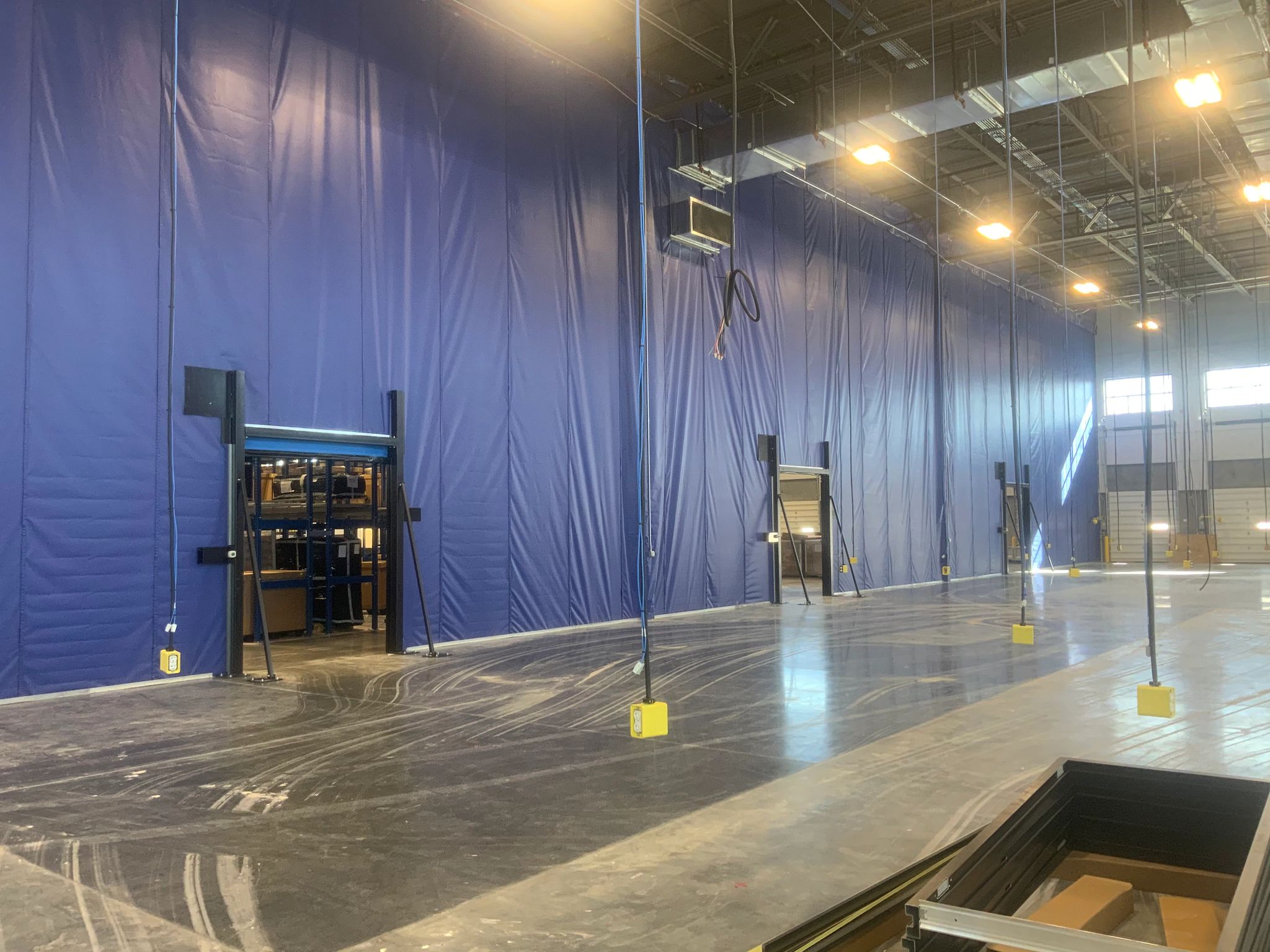
Warehouse Dust Abatement
Industrial dust removal for warehouses, distribution centers, and storage facilities.
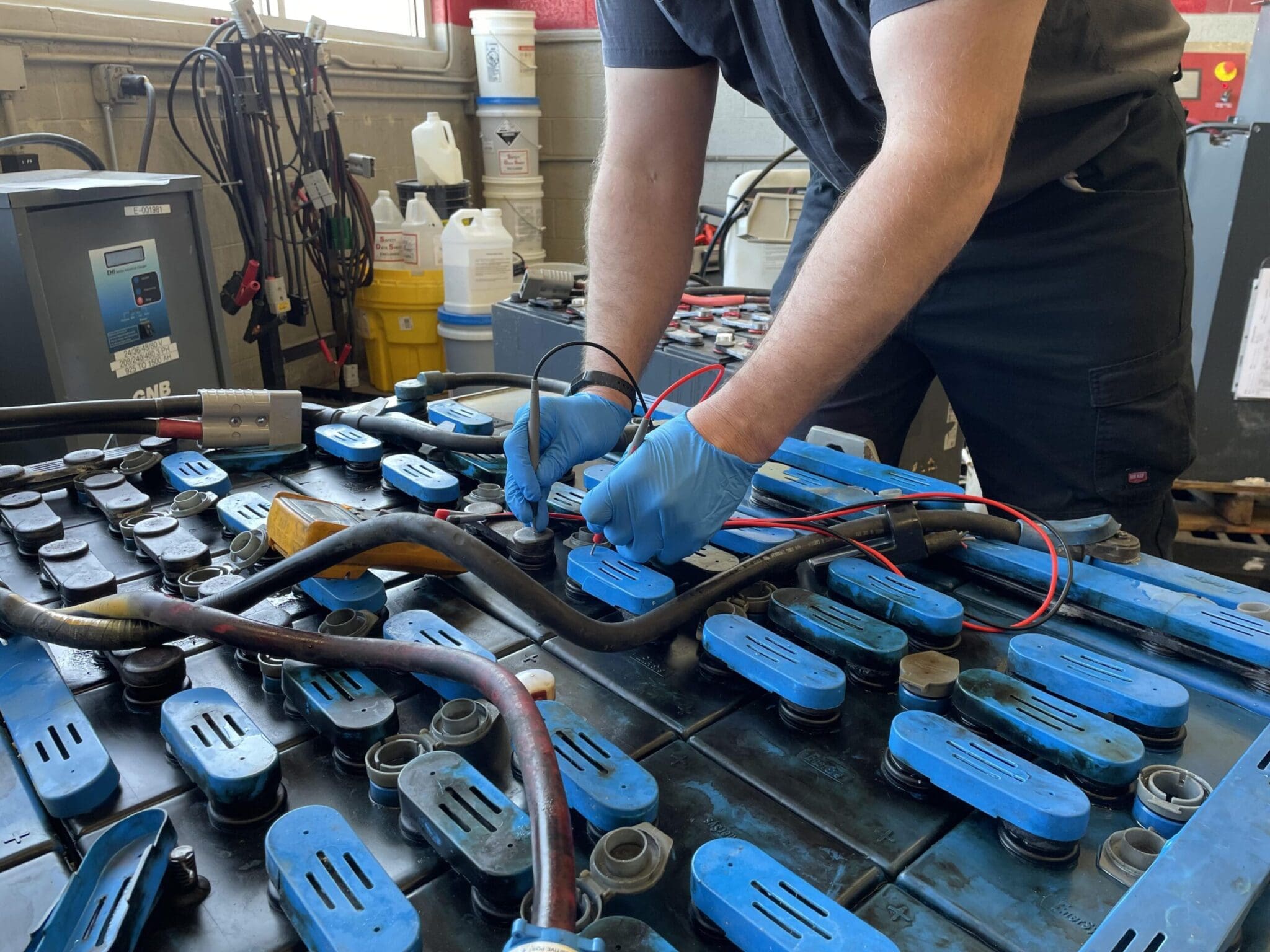
Warehouse Forklift Battery Cleaning
Specialized cleaning for forklift battery stations and warehouse charging areas.
Get Your Free Cubicle Cleaning Quote Today
Contact us now for a customized cleaning plan tailored to your cubicle cleaning needs.
Request Free Quoteservices planning guide
How to plan cubicle maintenance cleaning for a commercial facility in Dallas
Dallas Commercial Cleaning Services uses the following planning framework to help property managers and business owners turn a request for commercial cleaning and office maintenance into a scope that can be walked, priced, scheduled, and checked. It is designed for practical comparison and does not replace site-specific safety, material, vendor, or regulatory requirements.
Define the Work Before Pricing It
Square footage alone does not define the effort required for cubicle maintenance cleaning. Occupancy, floor materials, restroom count, food or production activity, security procedures, furniture density, and the time available between closing and reopening all affect labor and equipment planning. A commercial scope should distinguish appearance cleaning from hygiene work and asset maintenance. Dust removal, disinfection, floor finish care, glass restoration, and debris control solve different problems, use different processes, and often belong on different frequencies. Before pricing cubicle maintenance cleaning, document exclusions as carefully as inclusions. Exterior work, high access, consumable supplies, waste handling, specialty floor restoration, equipment interiors, and event cleanup can be scheduled correctly only when responsibility is explicit. The strongest cubicle maintenance cleaning plan names measurable outcomes rather than relying on broad phrases such as “keep it clean.” Examples include streak-free entry glass, stocked and odor-controlled restrooms, debris-free floor edges, sanitized touchpoints, and completion before a stated opening time.
Build the Schedule Around Operations
A nightly, daily, weekly, or project schedule changes more than visit frequency. It changes how much soil accumulates between visits, which tools are appropriate, how long each visit takes, and whether periodic deep work must be layered into the agreement. For Dallas–Fort Worth properties, travel windows and building access can materially affect the usable service period. A realistic schedule accounts for security handoffs and operating deadlines rather than promising a start time that leaves too little time to finish. Recurring cubicle maintenance cleaning should include planned periodic work instead of waiting for visible deterioration. Rotating detail tasks through monthly or quarterly cycles protects floors, fixtures, glass, vents, edges, and other zones that routine visits cannot address completely. A dependable plan includes a method for reporting schedule changes. The facility contact should know whom to notify, how much lead time is needed, and how missed or added visits affect the monthly program before an urgent request arises.
Make Quality Control Observable
A single complaint channel prevents service issues from disappearing between building occupants, property management, and the cleaning crew. Requests should be logged with the location, task, urgency, and desired completion time so the response can be verified. The account review should examine service requests, inspection findings, occupancy changes, supply use, and upcoming facility events. That review keeps the program aligned with the property instead of allowing an old scope to continue after the building changes. Consistent crew assignments improve cubicle maintenance cleaning because the team learns access routines, material sensitivities, recurring problem areas, and the expectations of the facility contact. Coverage plans are still necessary for absences so consistency does not depend on one individual. Before-and-after documentation is especially valuable for one-time or restorative cubicle maintenance cleaning. It establishes the starting condition, records the completed result, and helps the facility manager decide whether a recurring maintenance cycle would prevent the same buildup.
Match Methods to Materials and Risk
Consumable supplies deserve their own responsibility list. Soap, paper products, liners, dispensers, batteries, air fresheners, and specialty items may be client supplied, contractor supplied, or billed separately, but the agreement should not leave that question open. Product selection should match the task and the occupied environment. Cleaning, degreasing, disinfecting, descaling, and finishing are different functions; using one product for every surface can leave residue, reduce effectiveness, or shorten asset life. Equipment should be selected for the facility rather than for convenience. HEPA filtration, low-moisture extraction, auto-scrubbing, water-fed poles, pressure equipment, or detail tools may be appropriate depending on access, surface, soil, and reopening time. Color-coded cloths, pads, and tools can reduce cross-use between restrooms, food areas, workspaces, and public surfaces. The exact system matters less than having a documented method the crew can follow consistently.
Use the Walkthrough to Build the Scope
A useful walkthrough ends with next steps: who will receive the written scope, who can approve revisions, whether a second technical visit is required, and what information is still needed before pricing is final. Ask department leads or regular occupants where cleaning failures are most visible. Facility managers often know the formal complaints, while daily users can identify recurring issues such as neglected corners, supply shortages, or timing conflicts. Access and safety constraints should be demonstrated, not merely mentioned. Alarm panels, loading doors, restricted areas, waste points, water access, electrical access, and equipment storage can change the labor plan materially. For larger properties, divide the walkthrough into zones and record the floor type, use, occupancy, and desired frequency for each. This produces a proposal that can be adjusted by zone without rewriting the entire program.
Put the Service Agreement in Writing
The agreement should state how holidays, weather closures, and client-requested skips are handled. These events affect visit counts and staffing, and the billing treatment should be clear before the first calendar exception. The agreement should explain how additional work is approved. Emergency cleanup, event service, construction dust, floor restoration, and extra porter coverage should not be performed or billed through an informal request that no one can later verify. A commercial cleaning agreement should attach or reproduce the approved scope, frequency, service window, periodic task calendar, supply responsibilities, access rules, and communication contacts. The written detail protects both the property and the service team. Insurance and vendor-document requirements should be confirmed during proposal review rather than after award. If the property requires a certificate, additional insured wording, vendor portal registration, or special access documentation, those steps can affect the startup date.
Plan for Dallas Facility Conditions
Commercial properties in the region frequently combine offices, warehouses, showrooms, food service, or public-facing areas under one address. Zoning the scope by use keeps the cleaning method appropriate for each part of the building. Heat and air-conditioning runtime can increase dust movement through vents, ledges, high surfaces, and return-air zones. Periodic detail work should be scheduled before accumulation becomes visible or begins cycling back into occupied areas. DFW traffic makes realistic arrival windows important, especially when a crew must meet security or elevator access at a fixed time. The plan should protect enough on-site time to complete the work rather than compressing the scope after a delayed handoff. A local service plan should account for the property’s immediate environment. Construction nearby, open parking, landscaping, loading activity, and pedestrian traffic can change how quickly dust and debris return after a visit.
Compare Providers on More Than Price
References are most useful when the compared account resembles the property in size, use, and schedule. A successful small office account does not by itself demonstrate the systems needed for a large, high-traffic, or specialized facility. Consider the cost of under-scoping. Persistent complaints, damaged finishes, emergency restoration, staff time spent supervising the vendor, and repeated provider changes can cost more than a properly designed recurring program. A pilot or structured startup can be useful when the facility is complex or the current condition is uncertain. Define what will be evaluated, how long the evaluation lasts, and what information determines the permanent scope. Evaluate communication alongside cleaning technique. A facility manager needs timely updates, a named account contact, documented service requests, and a reliable process for resolving issues without repeatedly explaining the account.
Start, Measure, and Adjust the Program
The crew should record conditions outside the approved scope rather than quietly ignoring them or performing unapproved work. Photos and concise notes allow the facility manager to decide whether a separate service is warranted. A stable program still needs review after renovations, staffing growth, seasonal traffic, operating-hour changes, or new equipment. Each change can alter soil load, access, or the time available for cubicle maintenance cleaning. Closeout reporting should match the account’s complexity. A small property may need simple completion confirmation; a larger or specialized account may need inspection notes, issue photographs, supply alerts, and a record of periodic tasks. Task sequencing affects results. High dusting should precede lower-surface cleaning, dry soil removal should precede wet work, and areas with restricted reopening times should be completed early enough to dry or ventilate.
Bring to the walkthrough
- Approximate square footage, floor plan, and operating hours
- Current frequency, known complaints, and priority areas
- Flooring and surface notes, restricted rooms, and access rules
- Desired start date, budget constraints, and approval contacts
Expect in a written proposal
- Task scope by zone and visit frequency
- Service windows, periodic work, and supply responsibility
- Quality checks, communication, and correction procedures
- Pricing assumptions, exclusions, and change-order rules