Retail Merchandising Area Cleaning in Dallas
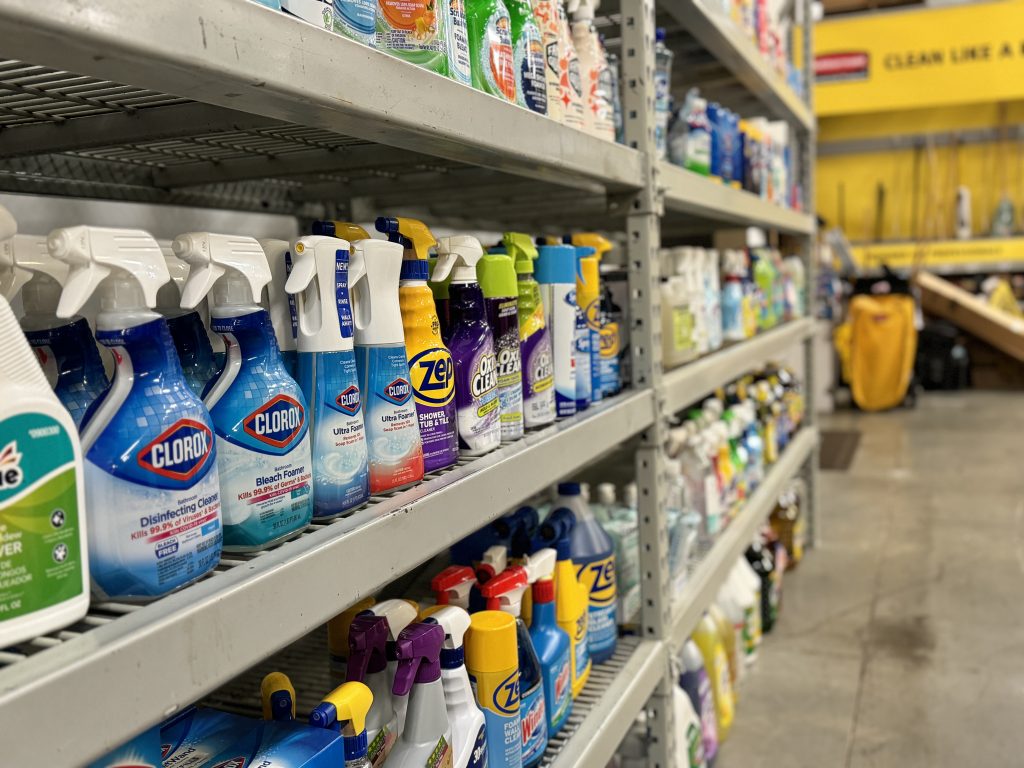
Specialized cleaning for retail merchandising areas, endcaps, displays, and product shelves. We clean around merchandise without disturbing displays, ensuring products shine while maintaining organized, dust-free shopping environments.
Professional Merchandising Cleaning Services in Dallas
Retail merchandising area cleaning is a specialized service focused on the unique cleaning challenges of product display spaces, shelving units, and customer shopping zones where presentation directly impacts sales performance. Unlike general retail cleaning, merchandising area service addresses the delicate balance between thorough cleaning and protecting valuable inventory, fixtures, and displays.
Professional merchandising cleaning combines careful attention to product surfaces, display fixtures, shelving, and customer access areas to create pristine shopping environments. For Dallas retailers where visual merchandising drives purchasing decisions, professionally maintained displays communicate quality, build customer confidence, and support premium pricing strategies.
Benefits of Our Merchandising Cleaning Service
Enhanced Product Appeal
Clean, dust-free displays allow products to shine and attract customer attention. Merchandise presents better and appears more valuable when showcased in pristine environments.
Increased Sales Performance
Research consistently shows that well-maintained retail environments generate higher sales. Clean displays encourage longer browsing and increased purchase likelihood.
Inventory Protection
Regular cleaning removes dust and contaminants that can damage merchandise, particularly clothing, electronics, and delicate items that lose value when soiled.
Extended Fixture Life
Proper cleaning of display fixtures, shelving, and racks prevents deterioration, maintaining their appearance and structural integrity for years of continued use.
Superior Customer Experience
Immaculate merchandising areas create positive shopping experiences that encourage customers to linger, explore, and return for future purchases.
Our Process
Merchandising Assessment
We evaluate your store layout, display types, merchandise categories, and traffic patterns to develop a cleaning approach that enhances presentation without disrupting retail operations.
Product Protection
Merchandise is carefully protected or temporarily moved when necessary to access display surfaces for thorough cleaning. Delicate items receive special handling.
High Dusting & Overhead
Ceiling fixtures, vents, upper shelving, and display tops are dusted first to prevent debris from settling onto freshly cleaned lower surfaces.
Display Fixture Cleaning
Shelves, racks, mannequins, and display structures are cleaned using appropriate methods for each material—metal, wood, glass, acrylic, or laminate.
Glass & Surface Polishing
Display cases, mirrors, and transparent surfaces are polished to streak-free clarity that showcases products without visual distraction.
Floor & Baseboard Detail
Floors in merchandising areas receive detailed cleaning including edges, corners, and baseboards where dust accumulates and affects overall appearance.
Merchandise Reset & Organization
If items were moved for cleaning, products are carefully returned to their displays. General organization and straightening completes the refreshed presentation.
Final Inspection & Touch-Ups
Quality control walkthrough ensures every display area meets presentation standards, with any spots or missed areas immediately addressed.
What's Included
- Display case cleaning
- Shelf dusting and sanitization
- Endcap and promotional area cleaning
- Product dusting without disturbing displays
- Mirror and glass display cleaning
- Price tag and signage area cleaning
Frequently Asked Questions About Merchandising Cleaning
How often should merchandising areas be professionally cleaned?
High-traffic retail environments benefit from weekly professional cleaning of merchandising areas. Moderate traffic stores typically need bi-weekly service. Seasonal deep cleaning before major sales periods ensures optimal presentation.
Will cleaning disrupt my merchandise arrangements?
Our technicians work carefully around displays, protecting arrangements whenever possible. When access requires moving items, we photograph arrangements beforehand and restore everything exactly as found. Your visual merchandising remains intact.
Can you clean while the store is open?
We can perform light dusting and maintenance during business hours discreetly. However, comprehensive cleaning is best performed before opening or after closing to ensure thorough access to all areas and prevent customer disruption.
Do you clean the actual merchandise?
We focus on fixtures, displays, and the retail environment. Product cleaning is typically the retailer's responsibility. However, we can dust products in place and remove surface debris that affects presentation.
Can you handle delicate or high-value display items?
Yes. Our technicians are trained to work around valuable merchandise including jewelry, electronics, and luxury goods with appropriate care and attention. We coordinate with your security protocols when needed.
What's included in merchandising area cleaning?
Service includes display fixture cleaning, shelving detail, glass and mirror polishing, dust removal from all surfaces, floor care in product zones, and general presentation enhancement. Custom services available for specific fixture types.
How is this different from regular store cleaning?
Regular janitorial service handles floors, restrooms, and general areas. Merchandising cleaning specifically targets product displays, shelving, fixtures, and presentation areas with the detailed attention these critical sales spaces require.
Related Services in Dallas

Office Disinfection Services
Hospital-grade disinfection for offices targeting high-touch surfaces and common areas.
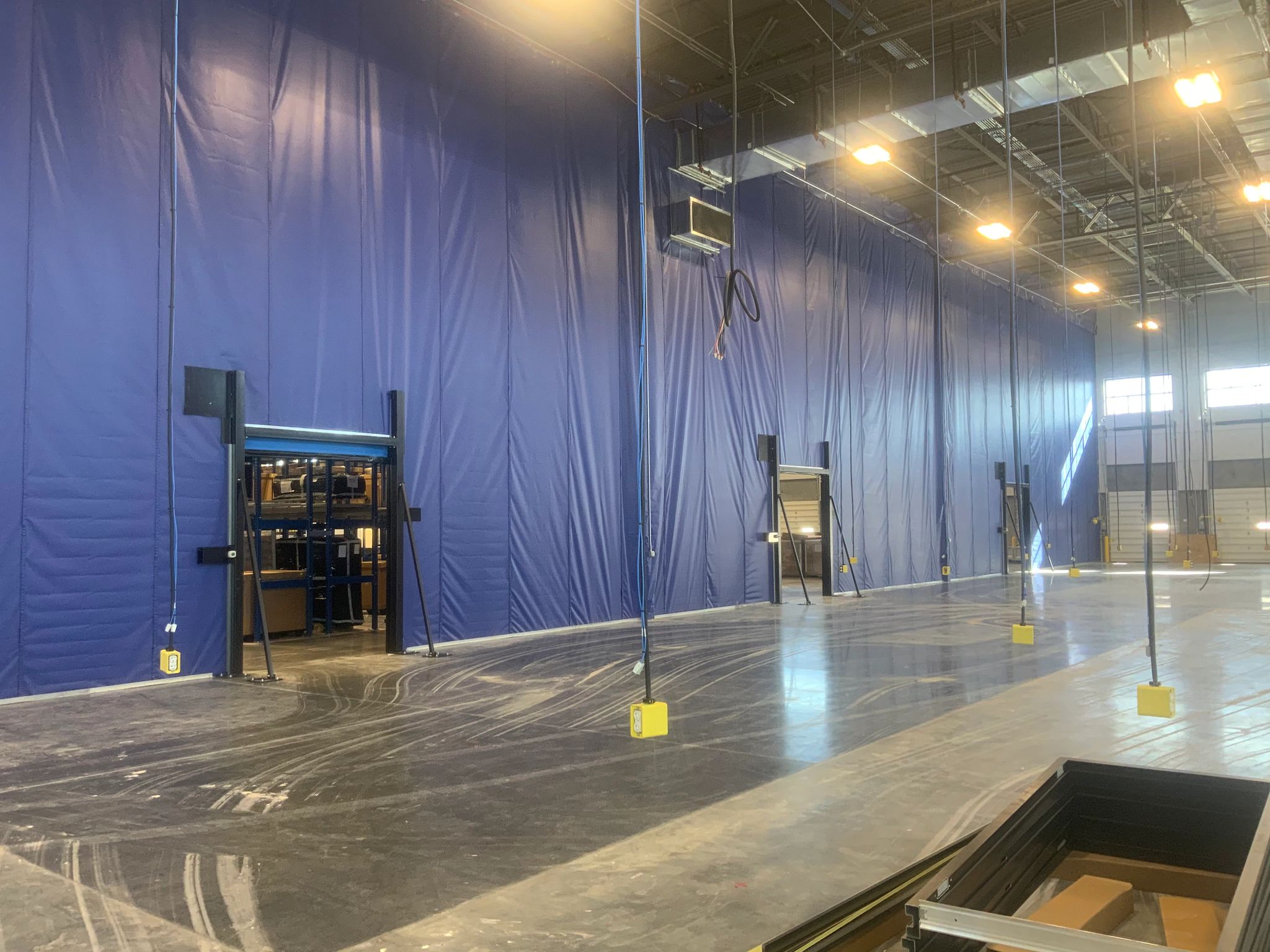
Warehouse Dust Abatement
Industrial dust removal for warehouses, distribution centers, and storage facilities.
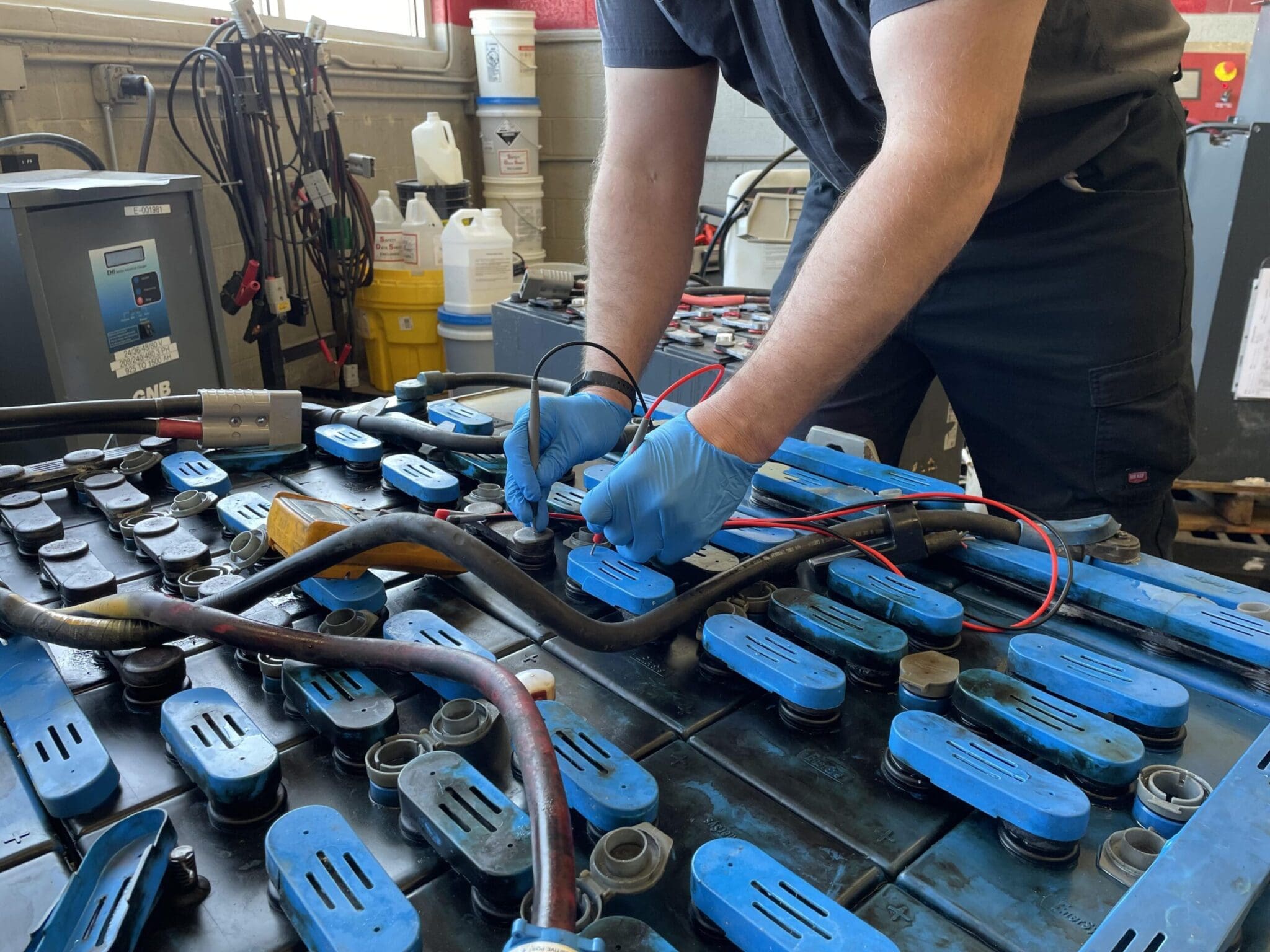
Warehouse Forklift Battery Cleaning
Specialized cleaning for forklift battery stations and warehouse charging areas.
Get Your Free Merchandising Cleaning Quote Today
Contact us now for a customized cleaning plan tailored to your merchandising cleaning needs.
Request Free Quoteservices planning guide
How to plan retail merchandising area cleaning for a commercial facility in Dallas
Dallas Commercial Cleaning Services uses the following planning framework to help property managers and business owners turn a request for commercial cleaning and office maintenance into a scope that can be walked, priced, scheduled, and checked. It is designed for practical comparison and does not replace site-specific safety, material, vendor, or regulatory requirements.
Define the Work Before Pricing It
Retail Merchandising Area Cleaning should begin with a written definition of the rooms, surfaces, fixtures, equipment boundaries, and access conditions included in the work. A useful scope separates routine tasks from periodic restoration so the facility manager can see what happens on every visit and what occurs only on a planned cycle. A walkthrough for retail merchandising area cleaning is most productive when the decision-maker identifies the spaces that create complaints, the areas that carry the most traffic, and the tasks the current program misses. Those observations turn a generic checklist into a practical scope tied to the way the property is actually used. For multi-tenant or mixed-use properties, retail merchandising area cleaning should be divided by responsibility zone. Common areas, tenant suites, back-of-house spaces, loading areas, public restrooms, and restricted rooms can then receive schedules and approval rules that match their actual use. A commercial scope should distinguish appearance cleaning from hygiene work and asset maintenance. Dust removal, disinfection, floor finish care, glass restoration, and debris control solve different problems, use different processes, and often belong on different frequencies.
Build the Schedule Around Operations
Facilities with irregular occupancy should use a flexible service calendar. Seasonal traffic, events, construction phases, tenant move-ins, inventory cycles, and weather can all create temporary cleaning demand that a rigid schedule will miss. Access planning is part of service planning. Keys, badges, alarm procedures, loading access, elevator reservations, escort rules, and locked-room approvals should be confirmed before the first retail merchandising area cleaning visit so the crew can complete the full scope without improvising. For Dallas–Fort Worth properties, travel windows and building access can materially affect the usable service period. A realistic schedule accounts for security handoffs and operating deadlines rather than promising a start time that leaves too little time to finish. Daytime and after-hours service solve different operational problems. Day porter coverage manages visible conditions while people are present; after-hours crews complete disruptive or time-intensive tasks when work areas can be accessed safely and thoroughly.
Make Quality Control Observable
Inspection frequency should reflect the complexity of the account. A small weekly office may need periodic supervisory review, while a high-traffic or regulated environment may require documented checks several times each week. Consistent crew assignments improve retail merchandising area cleaning because the team learns access routines, material sensitivities, recurring problem areas, and the expectations of the facility contact. Coverage plans are still necessary for absences so consistency does not depend on one individual. A quality program should explain how corrections are handled. The facility contact needs a clear response path, a reasonable correction window, and confirmation when the issue is closed rather than a vague assurance that someone will look into it. Quality control works best when it is tied to the site-specific scope. A supervisor can inspect completion against named rooms and outcomes, record exceptions, assign corrections, and identify patterns that require a change in staffing, tools, or frequency.
Match Methods to Materials and Risk
A material-safety discussion should include storage and labeling. Facility contacts should know where products and equipment will be kept, which rooms remain accessible to occupants, and how spills or damaged containers are reported. Product selection should match the task and the occupied environment. Cleaning, degreasing, disinfecting, descaling, and finishing are different functions; using one product for every surface can leave residue, reduce effectiveness, or shorten asset life. For sensitive or newly installed materials, a small test area can prevent expensive mistakes. The service plan should identify who approves the test result before broader cleaning or restoration proceeds. Equipment should be selected for the facility rather than for convenience. HEPA filtration, low-moisture extraction, auto-scrubbing, water-fed poles, pressure equipment, or detail tools may be appropriate depending on access, surface, soil, and reopening time.
Use the Walkthrough to Build the Scope
If the requested retail merchandising area cleaning includes restorative work, identify the difference between a first-service reset and ongoing maintenance. Startup work may require additional labor that should not be hidden inside the recurring visit price. For larger properties, divide the walkthrough into zones and record the floor type, use, occupancy, and desired frequency for each. This produces a proposal that can be adjusted by zone without rewriting the entire program. The walkthrough should follow the facility’s traffic pattern from entrances through work areas, restrooms, support rooms, and exits. This reveals where soil enters, where it concentrates, and which tasks must be completed in a particular order. Access and safety constraints should be demonstrated, not merely mentioned. Alarm panels, loading doors, restricted areas, waste points, water access, electrical access, and equipment storage can change the labor plan materially.
Put the Service Agreement in Writing
Insurance and vendor-document requirements should be confirmed during proposal review rather than after award. If the property requires a certificate, additional insured wording, vendor portal registration, or special access documentation, those steps can affect the startup date. The agreement should state how holidays, weather closures, and client-requested skips are handled. These events affect visit counts and staffing, and the billing treatment should be clear before the first calendar exception. Service-level expectations should be realistic and observable. A promise of “perfect cleaning” is less useful than response times, inspection routines, named completion outcomes, and an escalation process for repeated deficiencies. A structured startup period gives both sides a chance to refine the scope. Early inspections and a scheduled review after the first few visits can resolve workload assumptions before they become embedded in a long-term program.
Plan for Dallas Facility Conditions
Storm seasons can create short-notice needs around entrances, exterior glass, tracked moisture, construction material, and debris. A recurring account should know how to request work outside the normal scope and whether priority response is available. A local service plan should account for the property’s immediate environment. Construction nearby, open parking, landscaping, loading activity, and pedestrian traffic can change how quickly dust and debris return after a visit. Dallas facilities contend with long cooling seasons, tracked-in dust, pollen, severe-weather debris, and rapid development activity. Those conditions can influence entry cleaning, high dusting, floor care, glass maintenance, and the timing of periodic deep work. Fast regional growth creates frequent move-ins, renovations, tenant turnovers, and occupancy changes. The cleaning scope should be reviewed when a property changes use instead of assuming the previous tenant’s schedule remains appropriate.
Compare Providers on More Than Price
When comparing retail merchandising area cleaning proposals, normalize the scope before comparing price. A lower monthly number may exclude periodic work, supplies, supervision, floor care, or enough labor to complete the stated checklist. Ask each provider to explain staffing assumptions, visit length, supervision, equipment, and the process for covering absences. The answer reveals whether the proposal is an operating plan or simply a price attached to a task list. Review the proposal for vague language. Terms such as “as needed,” “regularly,” and “periodically” should be converted into frequencies, triggers, or approval rules before the agreement is signed. Consider the cost of under-scoping. Persistent complaints, damaged finishes, emergency restoration, staff time spent supervising the vendor, and repeated provider changes can cost more than a properly designed recurring program.
Start, Measure, and Adjust the Program
Crew orientation should cover the approved scope, building access, material cautions, waste handling, supply storage, security, and the communication path for exceptions. Written information is more dependable than verbal instructions passed between shifts. Closeout reporting should match the account’s complexity. A small property may need simple completion confirmation; a larger or specialized account may need inspection notes, issue photographs, supply alerts, and a record of periodic tasks. The crew should record conditions outside the approved scope rather than quietly ignoring them or performing unapproved work. Photos and concise notes allow the facility manager to decide whether a separate service is warranted. A stable program still needs review after renovations, staffing growth, seasonal traffic, operating-hour changes, or new equipment. Each change can alter soil load, access, or the time available for retail merchandising area cleaning.
Bring to the walkthrough
- Approximate square footage, floor plan, and operating hours
- Current frequency, known complaints, and priority areas
- Flooring and surface notes, restricted rooms, and access rules
- Desired start date, budget constraints, and approval contacts
Expect in a written proposal
- Task scope by zone and visit frequency
- Service windows, periodic work, and supply responsibility
- Quality checks, communication, and correction procedures
- Pricing assumptions, exclusions, and change-order rules